Asia Pacific University of Technology & Innovation (APU) hosted Malaysia’s first Cyberpsychology Symposium (MYCS) 2026, bringing together over 200 experts, policymakers, industry leaders, and students from 16 local and international universities, key federal ministries, digital policy think-tanks, and more than 20 organisations to explore human behaviour in the digital age through expert talks, workshops, and student innovation showcases, reinforcing APU’s leadership in advancing cyberpsychology and shaping a safer digital future across Southeast Asia.
Image
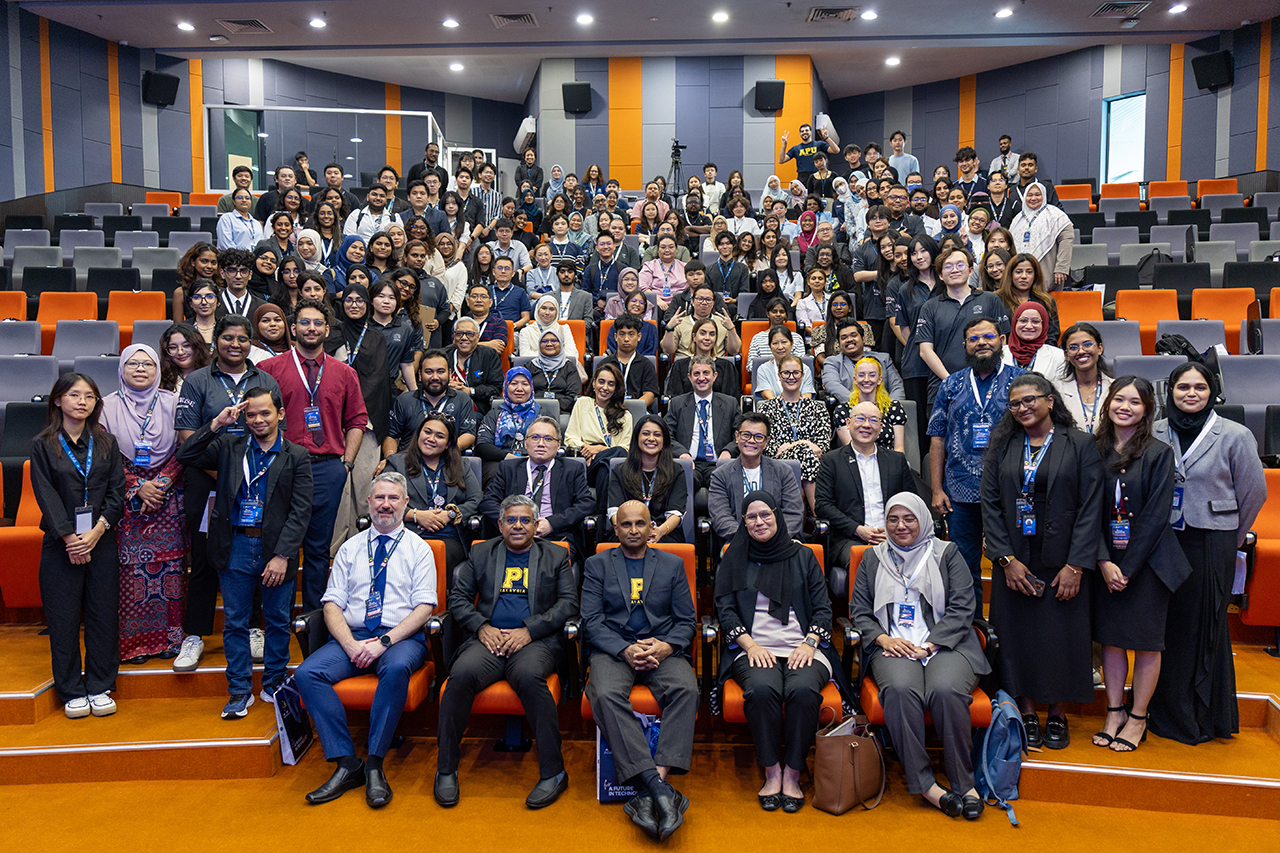
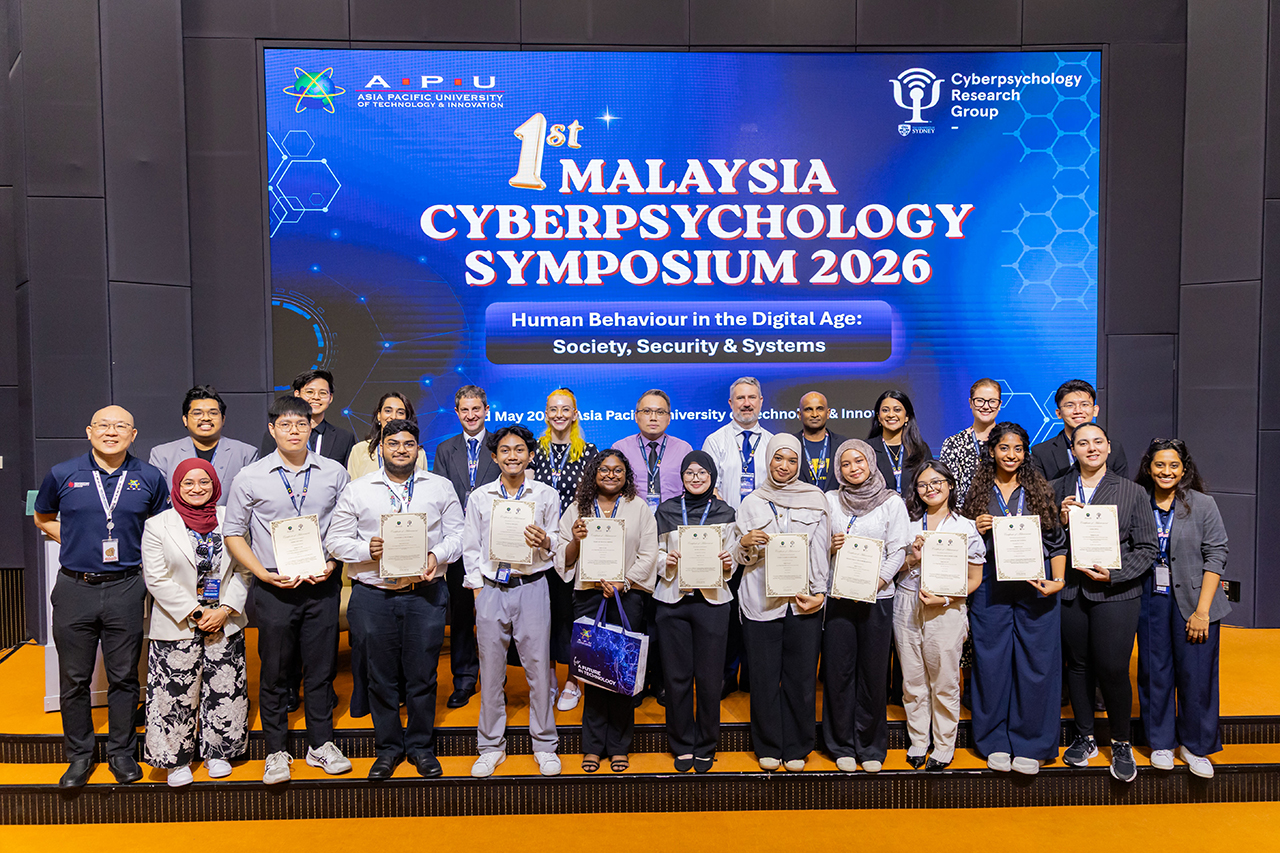
In a pioneering cross-disciplinary collaboration, Asia Pacific University of Technology & Innovation’s (APU) School of Psychology (SoP), School of Technology (SoT), and School of Computing (SoC) successfully hosted the Malaysia Cyberpsychology Symposium (MYCS) 2026 on 23 May 2026 at APU’s state-of-the-art campus.
As Malaysia’s first dedicated cyberpsychology symposium, MYCS 2026 established a landmark academic platform to address a critical gap in modern digital safety: understanding the human element behind the code.
Under the theme “Human Behaviour in the Digital Age: Society, Security, and Systems,” the symposium brought together more than 200 academics, researchers, government representatives, industry leaders, gaming experts, and students.
Far beyond a single-campus event, the symposium united representatives from 16 leading local and international universities, key federal ministries, digital policy think-tanks, and more than 20 industry organisations spanning cybersecurity, artificial intelligence, banking, gaming, and health.
Through high-impact talks, workshops, panel discussions, and student innovation showcases focusing on cyberpsychology, digital wellbeing, gaming, and cybersecurity, MYCS 2026 underscored the growing importance of understanding human behaviour in shaping safer digital environments, while cementing APU’s leadership in bridging psychology, computing, and technology across Southeast Asia.
The symposium’s strategic significance was underscored by the presence of Ms Shariffah Rashidah Syed Othman, Deputy Director-General of the Personal Data Protection Department under the Ministry of Digital, and Puan Farlina Said, Director of Cyber and Technology Policy at the Institute of Strategic and International Studies (ISIS) Malaysia.
Their participation reflected growing recognition of the importance of human behaviour in addressing contemporary challenges surrounding digital safety, cybersecurity, data protection, and online wellbeing.
During the event, representatives highlighted the value of behavioural insights in strengthening digital safety, cybersecurity awareness, and data protection efforts, underscoring the increasing relevance of cyberpsychology within Malaysia's evolving digital policy landscape.
The symposium also fostered discussions on future collaboration between academia, industry, and policymakers to address emerging digital challenges through a more human-centred approach.
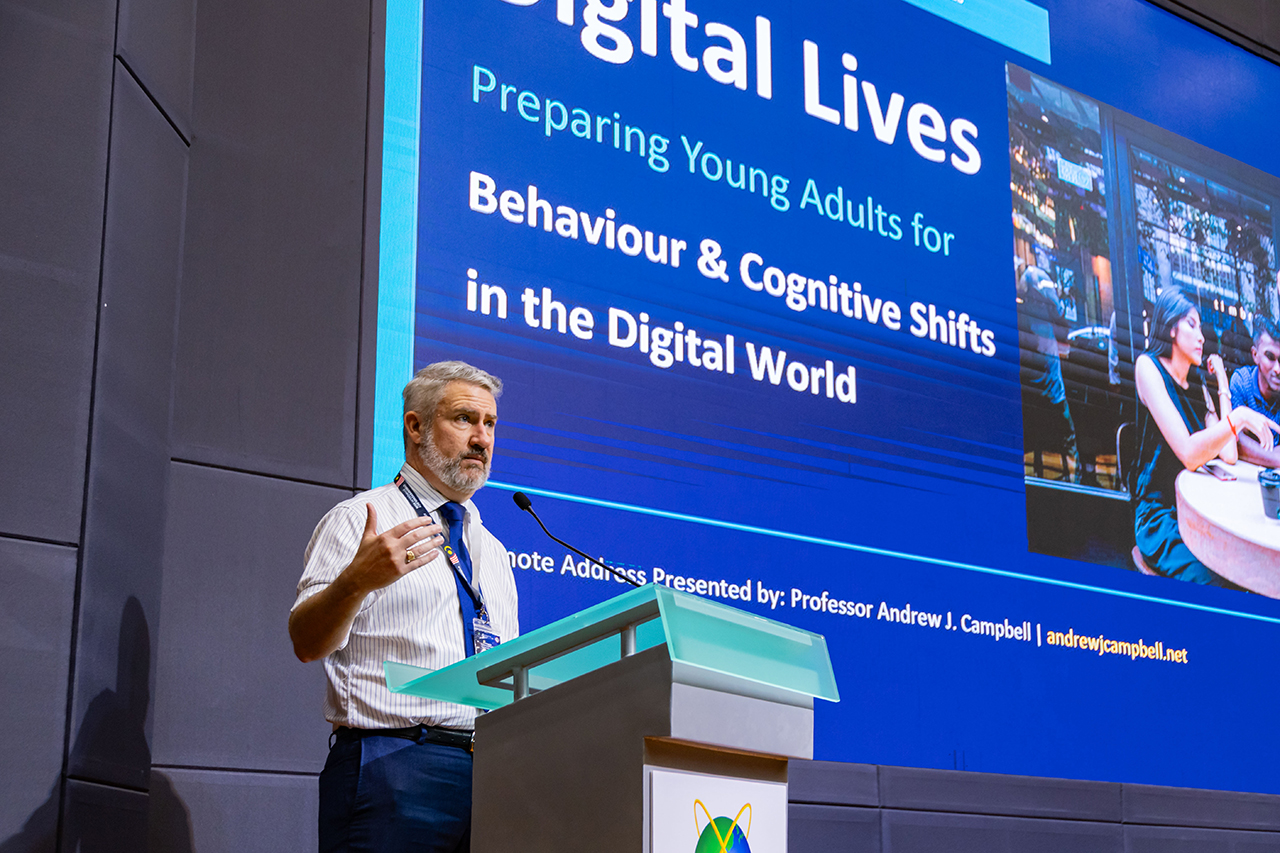
This policy perspective was complemented by a distinguished lineup of global academic and industry experts, including Professor Dr Andrew J. Campbell (University of Sydney, Australia), Dr Roszelinda Khalid (National Cyber Security Agency, NACSA), Dr Emily Smith (De Montfort University, UK), Dr Emma van der Schyff (University of Sydney), and Mr Kenny Lum, CEO of Gameka.
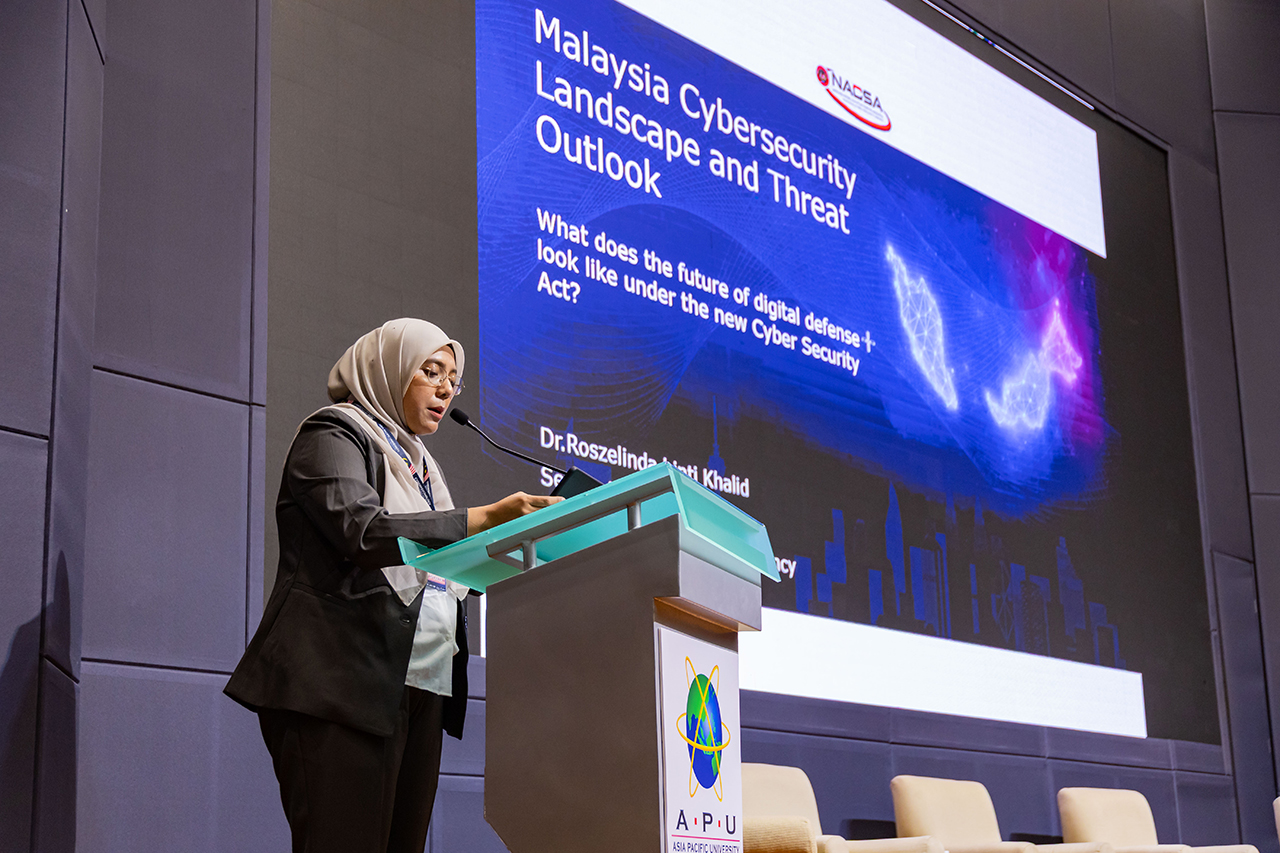
Together, they brought multidisciplinary perspectives spanning national security, cognitive science, digital wellbeing, and gaming behaviour.
“Cyberpsychology is no longer a niche academic pursuit; it is a vital pillar of our national resilience,” emphasised Ms Vinorra Shaker, APU’s Head School of Psychology (SoP) and Chair of MYCS 2026.
“As Malaysia accelerates its digital economy, understanding the psychological underpinnings of digital interaction is crucial. We must actively bridge the gap between human behaviour and technological advancement to protect mental wellbeing, secure digital identities, and empower a psychologically healthy digital generation capable of leading the nation’s future.”
Unlike conventional technology conferences that focus primarily on systems and architecture, MYCS 2026 stood out by bridging behavioural science with practical, real-world applications through targeted and interactive workshops.
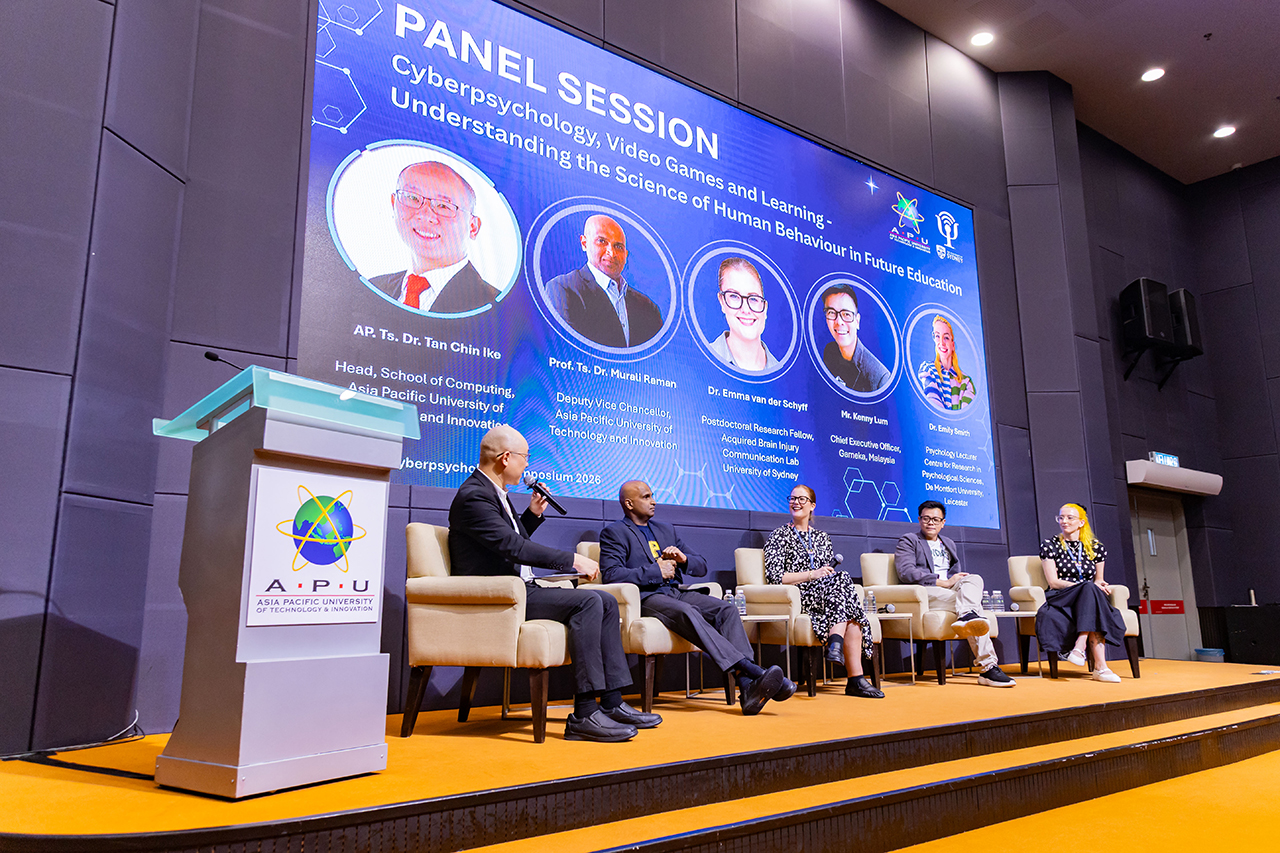
The highly engaging panel session unpacked how the intersection of gamification, immersive design, and behavioral science can revolutionize modern pedagogy.
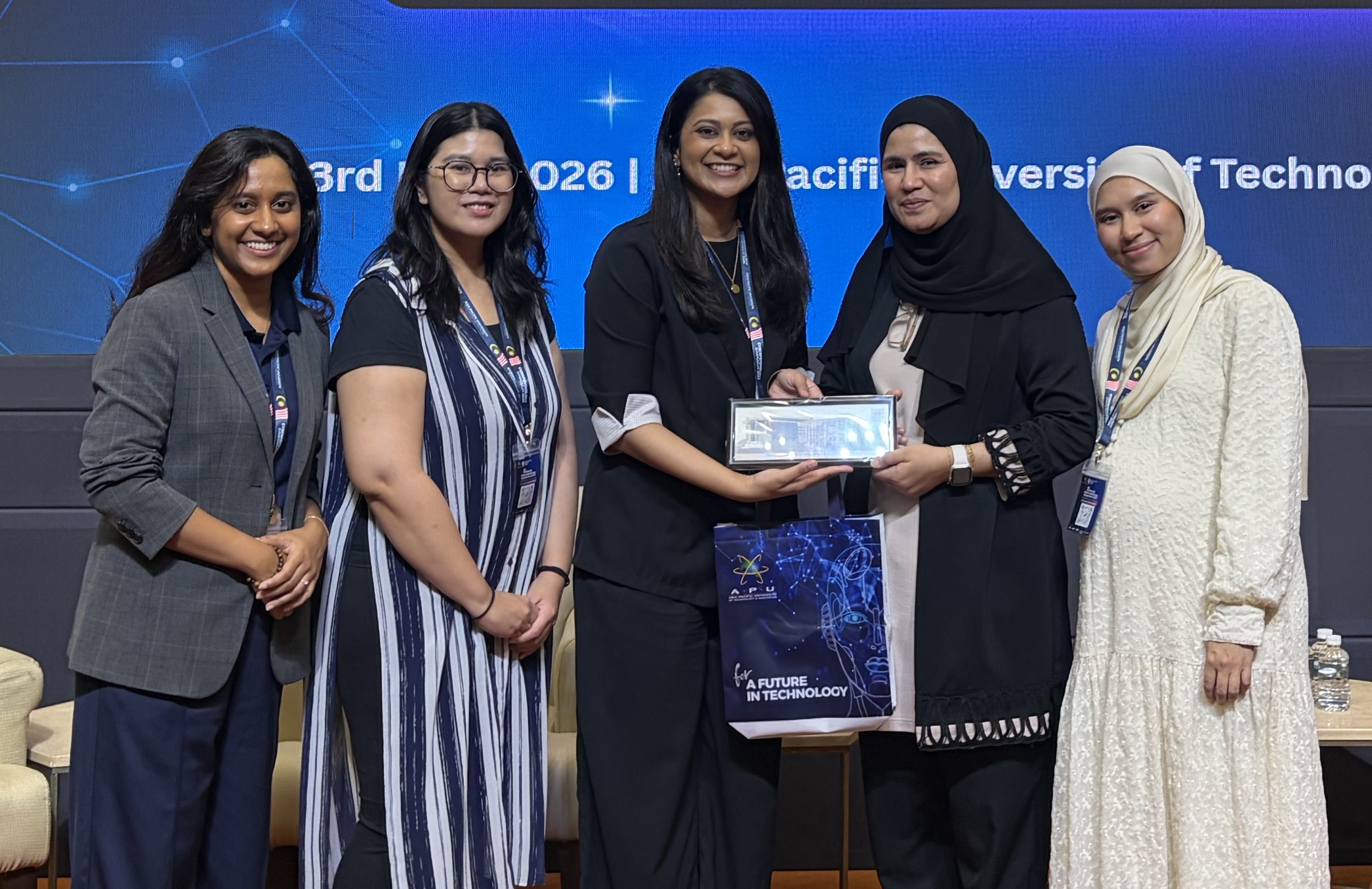
The panellists emphasized that by understanding the psychological drivers behind gaming engagement, educators and tech pioneers can co-create highly adaptive, secure, and collaborative learning ecosystems that meet the cognitive needs of digital-native students.
Supported by key institutional partners, including the Data Science Association (DSA), ACM SIGGRAPH KL Chapter, Malaysia Board of Technologists (MBOT), and Women in Tech® Malaysia, the symposium served as a showcase for emerging talent and innovative research in cyberpsychology, digital wellbeing, and human-centred technology.
Complementing the high-level dialogue of the morning, a dynamic Student Project and Poster Exhibition took centre stage, featuring 24 research posters and 10 innovative projects from institutions including APU, Taylor’s University, New Mind Brain Health Centre, Universiti Putra Malaysia (UPM), and the International Islamic University Malaysia (IIUM), among others.
The exhibition highlighted youth-led and researcher-driven solutions addressing digital wellbeing, online safety, cybersecurity awareness, gaming behaviour, and human-technology interaction, providing valuable opportunities for engagement with visiting industry leaders, academics, and research partners.
Far from just academic exercises, these student-designed projects bridged the gap between psychology and computing, tackling real-world issues like algorithmic manipulation, online safety, and digital addiction.
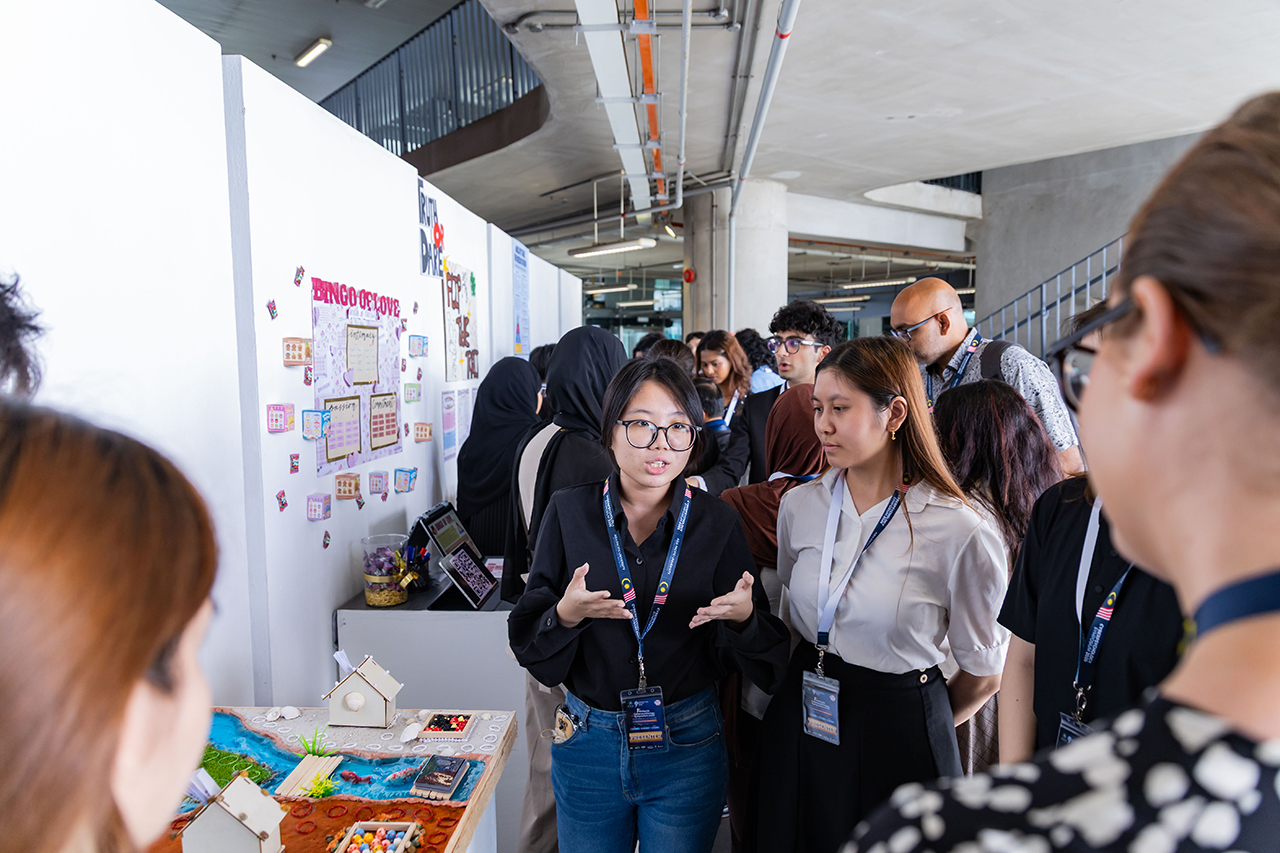
This hands-on participation underscored the university’s commitment to grooming future-ready graduates capable of designing safer, more human-centric digital spaces.
The momentum then carried into the afternoon sessions, transitioning into a series of curated parallel workshops led by a distinct mix of industry practitioners and leading academicians.
Spanning three specialized tracks — Psychology and Society, Games and Human Behavior, and Cybersecurity and Human Factors — these interactive sessions allowed attendees to dive deeper into targeted, real-world applications for the digital ecosystem.
A clinical psychologist, Ms Asha Dullabh, led a standout interactive session titled “CTRL + ALT + DELETE: Rebooting the Human Mind in a Digital World”, which explored the psychological toll of constant stimulation, emotional overload, and hyperconnectivity, revealing how these digital pressures leave users vulnerable to manipulation and hacking.
The psychological dimensions of modern entertainment were also a major focal point. An industry expert and academician, Mr Yee I-Van, mapped out the structural shifts in how modern audiences consume media in “The Evolution of How We Consume Video Games”, setting the stage for a compelling cyberpsychology debate on “Play, Power & Psychology: Games and Human Behavior” led by Dr Emma van der Schyff, a senior researcher from the University of Sydney Cyberpsychology Research Group.
The event’s practical edge was further elevated by interactive technical sessions, including “Inside a Hacker’s Mind: Real-World Attacks, Real-Time Lessons” by Assistant Professor Ts Dr Vinesha Selvarajah and “Level Up Your Cyber Hygiene” by Ms Zaireeda Mohd. Fauzee which gave attendees a direct look into threat-actor psychology.
By successfully uniting the critical pillars of psychology, computing, and technology, MYCS 2026 reinforces APU’s growing role in advancing cyberpsychology research, education, and industry collaboration within Malaysia and the wider region.
This landmark symposium does more than showcase academic leadership — it strategically positions Malaysia as a pioneering Southeast Asian hub for proactive digital governance, digital wellbeing, and cyber resilience.
Through this ecosystem, APU is actively future-proofing the workforce, clearing the runway for cross-sector innovation, and shaping a secure, psychologically resilient digital generation capable of anchoring the nation’s thriving digital economy.
News & Happening
Download e-Brochures
Intake Calendar
Want to know more ?
Let’s Connect