Image
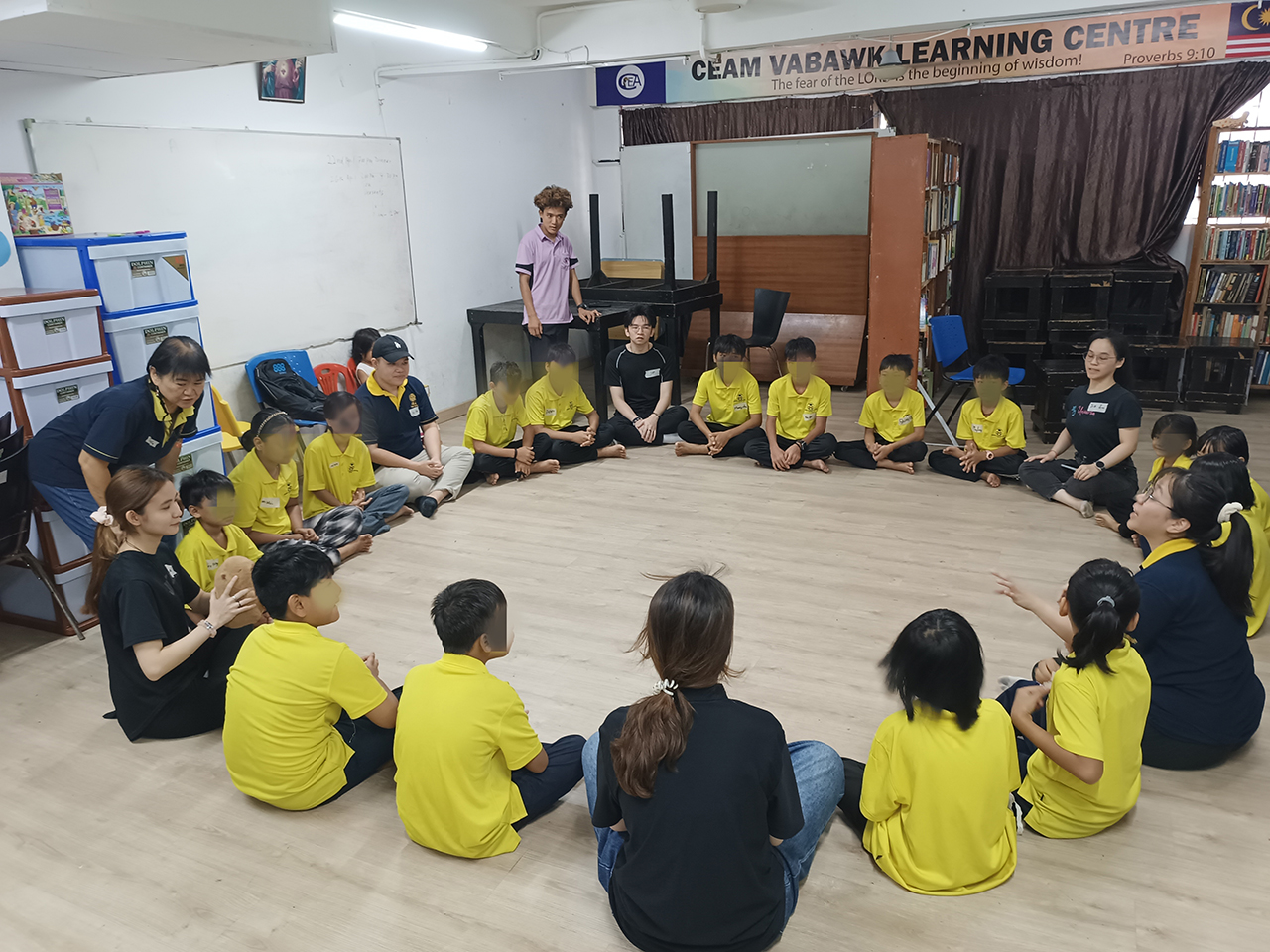
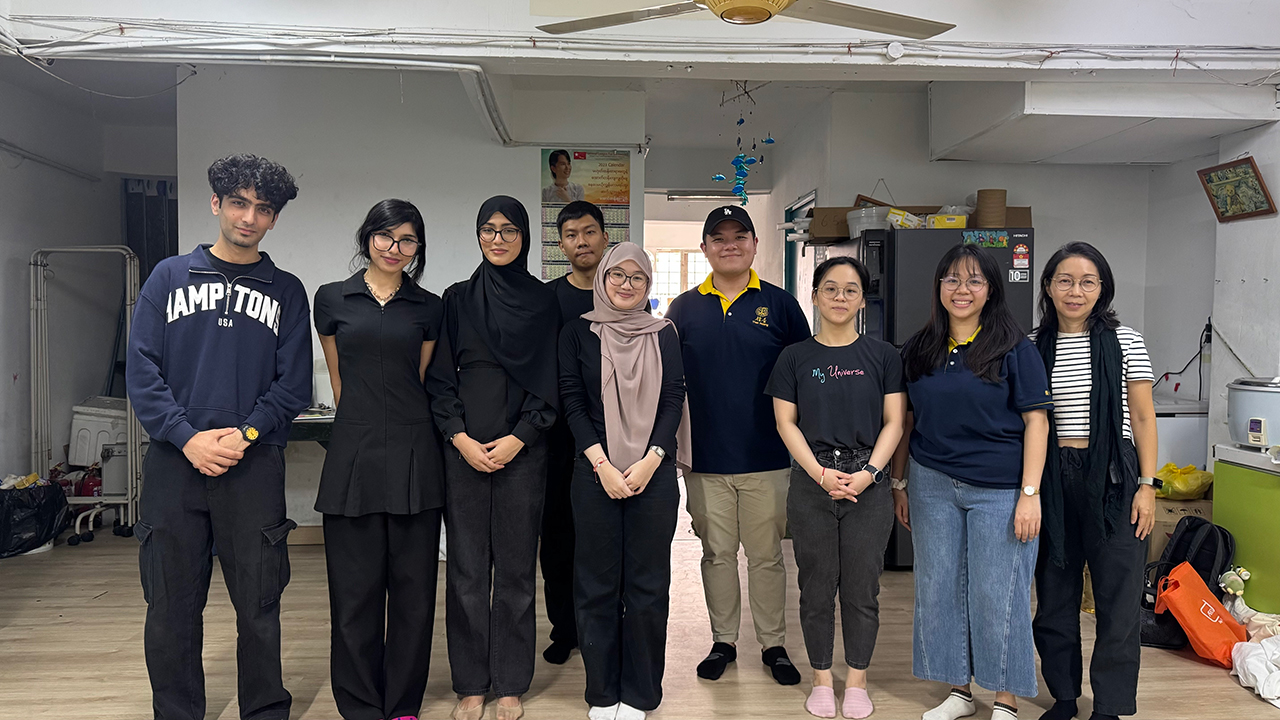
Eleven student volunteers from the School of Psychology (SoP) at Asia Pacific University of Technology & Innovation (APU) stepped beyond the classroom to deliver a three-session psychosocial and life-skills programme for around 21 Myanmar refugee children between April and August 2026.
Conducted in partnership with the Than Hsiang Buddhist Welfare Association, Wilayah Persekutuan & Selangor, the initiative formed part of Than Hsiang’s Children Education Programme and was held at CEAM Vabawk Learning Centre in Kuala Lumpur, a residential shelter and community-based school serving refugee children.
Building Familiarity, One Session at a Time
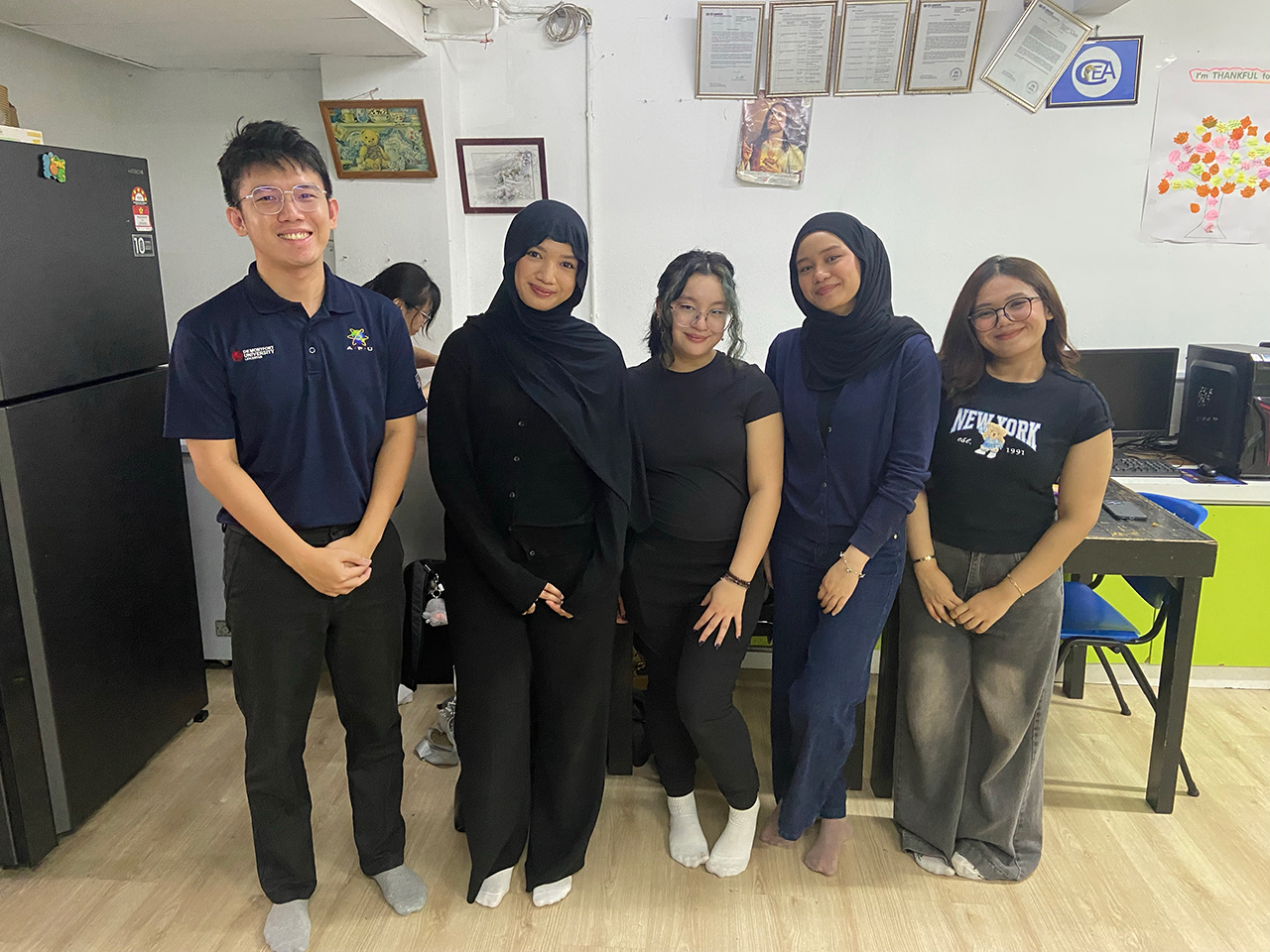
Led by Mr Tan Wei Yu, Lecturer at APU’s School of Psychology, alongside fellow lecturer Mr Jaff Choong Gian Yong, the initiative was supported by Ms Vinorra Shaker, Head of the School of Psychology.
Rather than a one-off visit, the programme was intentionally spread across three sessions, enabling the same group of children to become familiar with the APU volunteers over time. This continuity gave the students opportunities to understand the children’s pace, comfort levels and responses, and to adjust their facilitation accordingly.
The first session, “Inside My Heart: Understanding Our Emotions”, held on 26 April, helped the children identify feelings, interpret non-verbal cues and express emotions in healthy ways through discussions and art-based activities.
On 21 June, the second session, “Body Safety”, introduced personal boundaries, safe and unsafe touch, and the importance of seeking help from trusted adults.
The final session, “Stop Bullying, Start Caring”, held on 2 August, built awareness of bullying behaviours and encouraged the children to respond with care for themselves and others.
Learning Psychology Through Human Connection
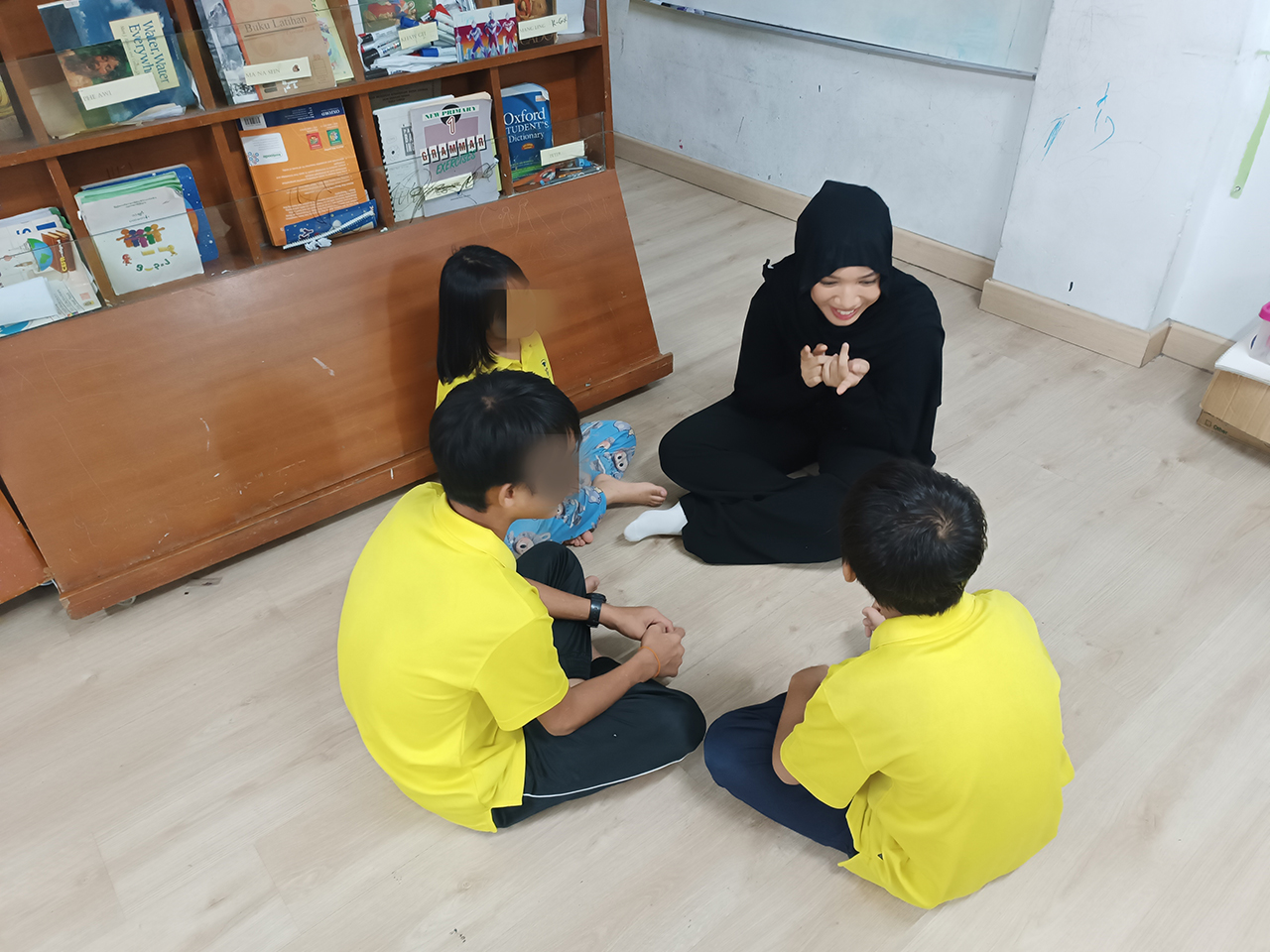
Working in small groups on the floor with the children, the APU volunteers led activities, guided conversations and supported each child through topics that required sensitivity, patience and trust.
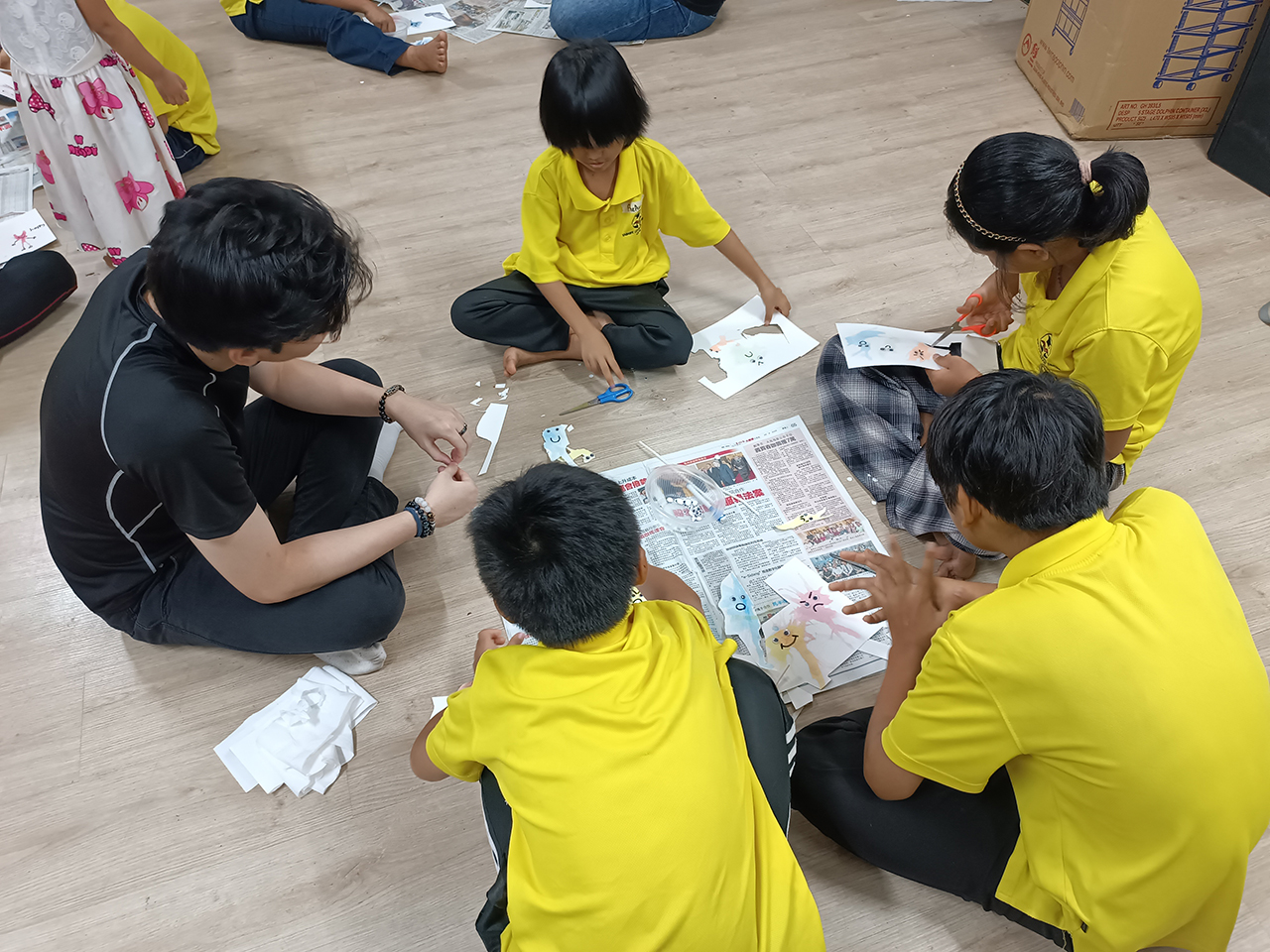
For many of the SoP students, it was their first opportunity to apply classroom psychology in a real community setting where communication could not rely on theory alone.
Level 2 Psychology student Kwung Jian Ming reflected, “I learned how to use interactive games and drama exercises to help primary school children express their feelings and thoughts effectively. This experience not only enhanced my child communication skills but also deepened my empathy and cultural sensitivity when supporting youth from different walks of life.”
The experience strengthened practical skills in child communication, group facilitation and cultural sensitivity, while reminding students that effective psychological support often begins with listening, adapting and being fully present.
Advancing Wellbeing and Inclusion
The programme also aligned with several United Nations Sustainable Development Goals supported by APU’s School of Psychology.
By addressing emotional wellbeing, body safety and bullying, the sessions contributed to Good Health and Well-being (SDG 3) and Peace, Justice and Strong Institutions (SDG 16), particularly through efforts to protect children from harm and violence.
Providing structured learning opportunities to refugee children, who may have limited access to mainstream schooling, also supported Quality Education (SDG 4) and Reduced Inequalities (SDG 10).
A Relationship Beyond the Classroom
Reflecting on the initiative, Mr Tan said, “For our psychology students, this was a chance to step out of the classroom and simply be present with children who have been through a lot. I was proud to watch them adjust each session to the children in front of them, and I hope this is the start of a longer relationship between APU and the community.”
Through initiatives such as this, APU’s School of Psychology continues to strengthen community-engaged learning by giving students meaningful hands-on experience while contributing to the well-being of underserved communities.
More importantly, the three-session journey showed how sustained presence can create space for trust, learning and care that empowers children with practical life skills while shaping future psychology professionals who understand that their knowledge carries its greatest meaning when applied with empathy.
News & Happening
Download e-Brochures
Intake Calendar
Want to know more ?
Let’s Connect