Image
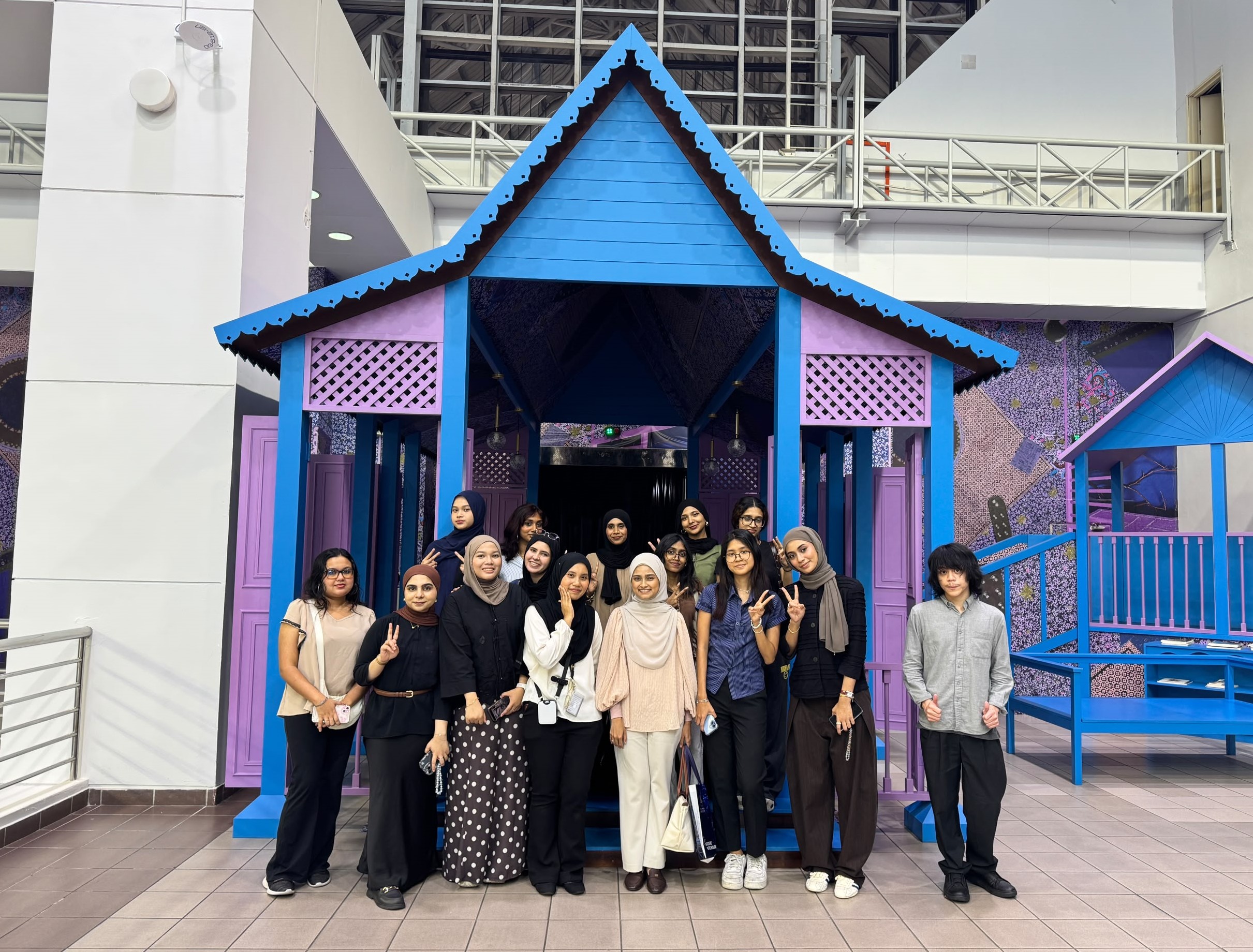
The School of Psychology (SoP) at Asia Pacific University of Technology & Innovation (APU) recently organised an educational field trip to the National Art Gallery, Kuala Lumpur, for Psychology students studying the Cognitive Psychology module.
Led by Ms Raihan Munira Moh Sani (Lecturer, SoP at APU), the trip provided students with the opportunity to connect classroom concepts in cognitive psychology with immersive artistic experiences that demonstrate how the human mind perceives and interprets visual information.
Understanding the Mind through Immersive Art
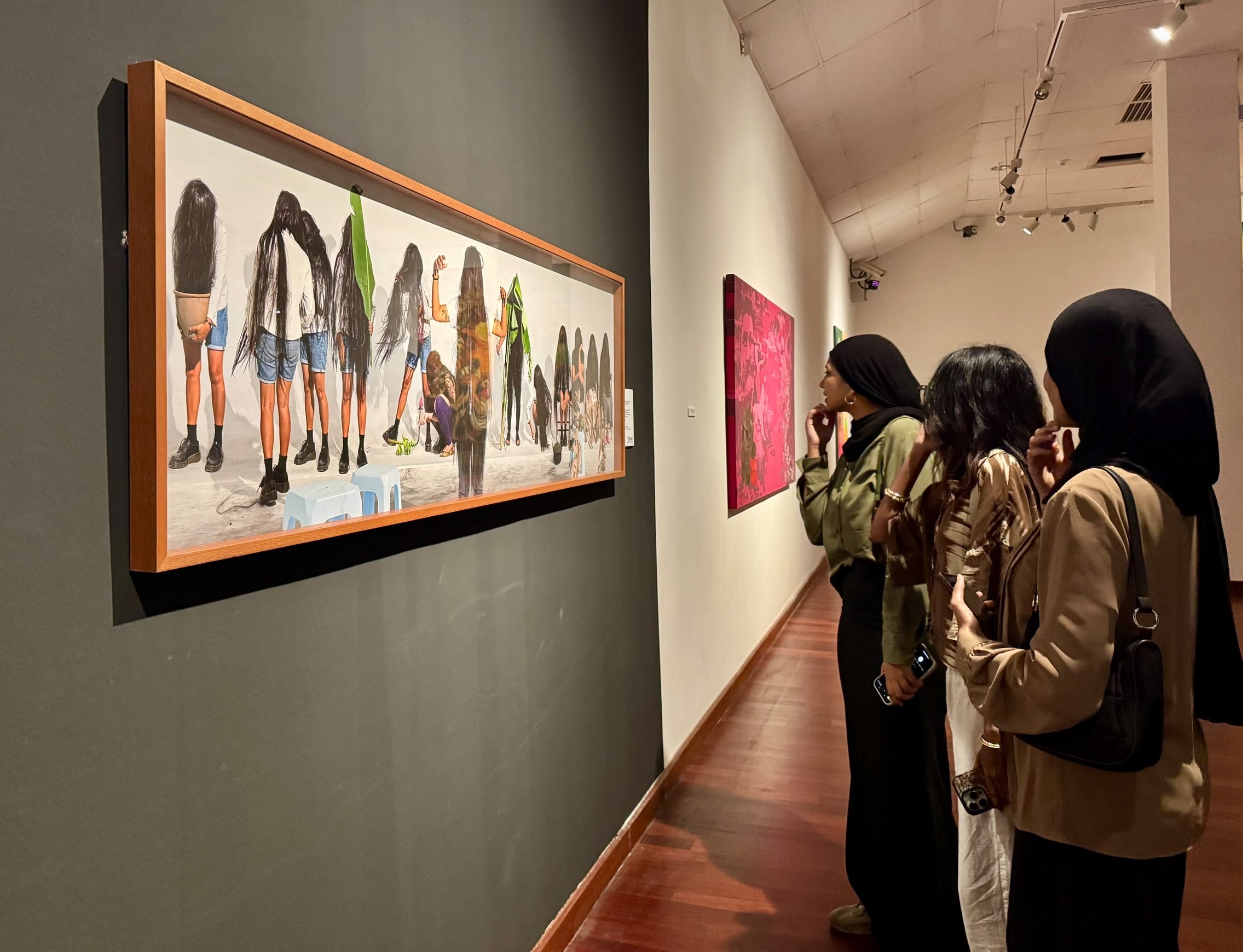
Upon arrival, students were welcomed by Ms Amira Maisarah Mohd Don, Gallery Executive at the National Art Gallery, who introduced them to the history and development of the gallery, including its role in preserving and promoting Malaysia’s visual arts heritage.
Through this introduction, students gained a deeper appreciation of the importance of art in reflecting Malaysia’s cultural identity, historical development, and social transformation.
Guided by representatives from the National Art Gallery, students then visited the “Koleksi Tetap: Cinta Buatan Malaysia 79 - 89” exhibition, which featured selected works from the gallery’s permanent collection, alongside artworks from private collectors.
The exhibition provided students with insights into Malaysia’s artistic and cultural landscape between 1979 and 1989, allowing them to understand how visual art, film, music, and literature reflected the changing lifestyles, values, and perspectives of Malaysian society during the period.
Following this, students explored the “Perolehan Terkini 2015 - 2025: Satu Dekad Penuh Cerita” exhibition, which presented selected artworks acquired by the gallery over the past decade.
Featuring 88 works from a collection of 279 acquired artworks, the exhibition provided students with an understanding of how contemporary Malaysian art continues to evolve in response to social, cultural, political, and technological developments.
Lastly, students experienced “Merungkai Bingkai (Into the Frameless),” which is an immersive exhibition that combines traditional artworks with digital technologies such as artificial intelligence (AI), augmented reality (AR), and digital mapping.
By transforming static artworks into interactive experiences, the exhibition allowed students to observe how immersive environments influence visual perception, attention, sensory processing, and memory, providing a meaningful connection between classroom learning and real-world experiences.
Student Perspective
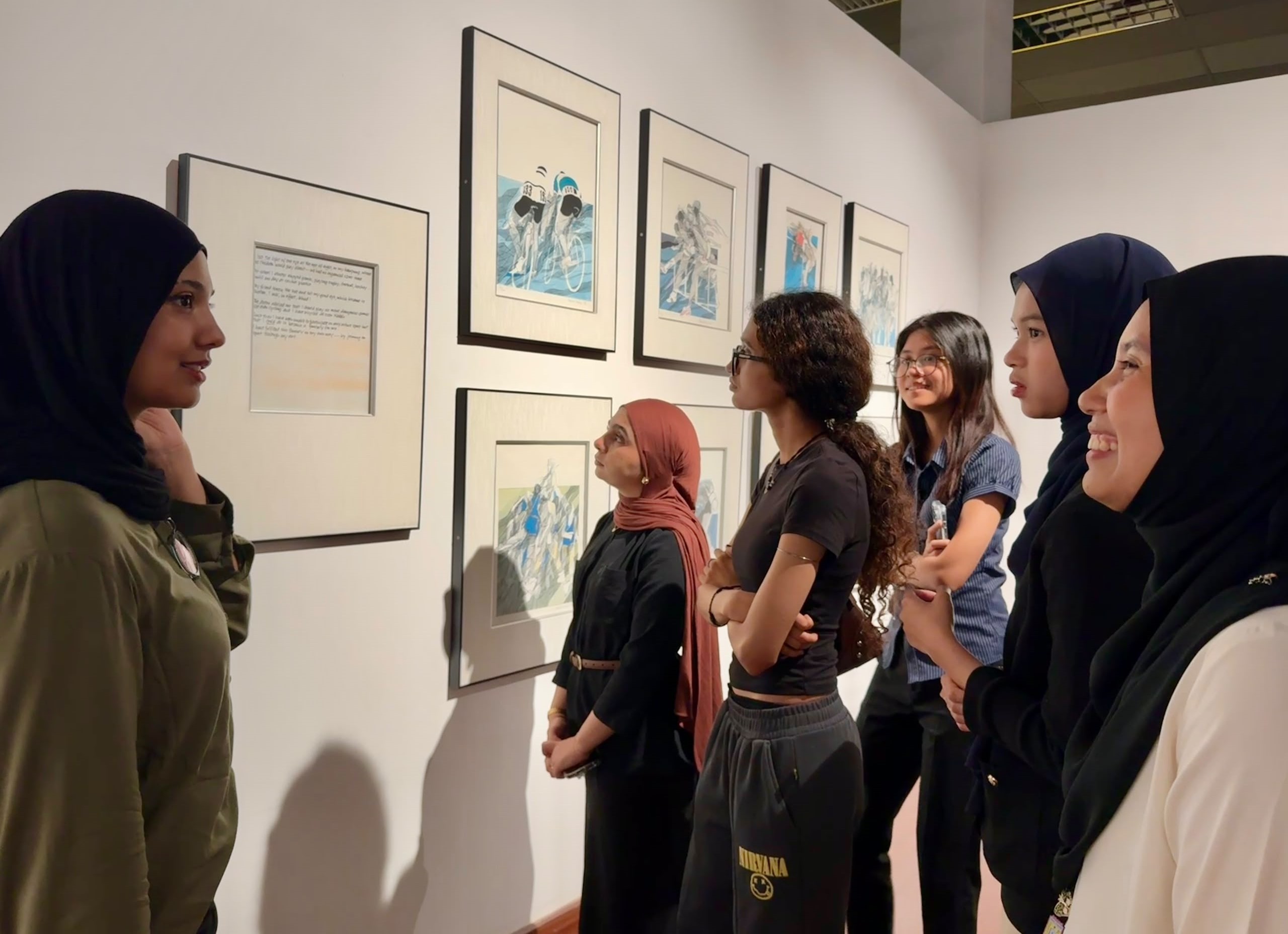
- Reem Mohamed Arif: “Visiting the National Art Gallery was a very fun and insightful experience, as the visually stimulating and interactive exhibits, including projection-based artworks, allowed me to appreciate how different people interpret and perceive artworks in their own ways.”
Creating Meaningful Learning Experiences through Exploration
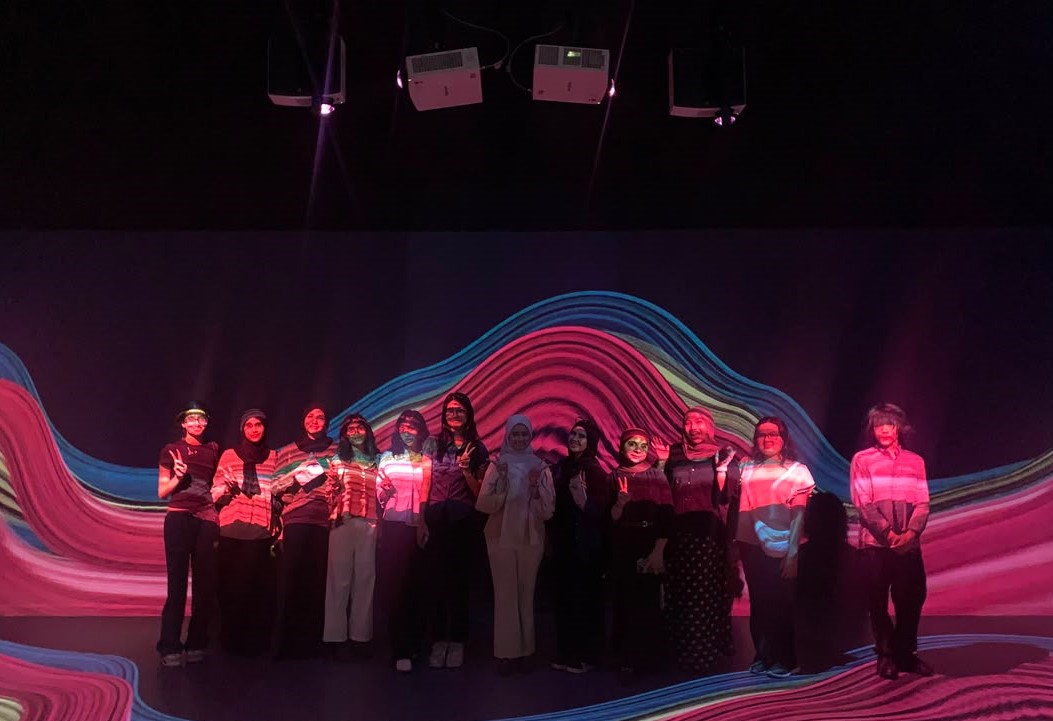
The educational field trip to the National Art Gallery served as a meaningful platform that connected psychological knowledge, artistic exploration, and experiential learning, allowing students to deepen their understanding through direct engagement with immersive art experiences.
Reflecting on the trip, Ms Raihan shared that experiential learning enables students to develop a deeper appreciation of academic concepts by engaging with meaningful experiences beyond the classroom.
“Opportunities such as this allow students to explore different perspectives, encourage curiosity, and develop a more holistic understanding of how knowledge can be applied in various contexts, while developing the skills and perspectives needed to navigate an evolving society.”
News & Happening
Download e-Brochures
Intake Calendar
Want to know more ?
Let’s Connect