Image
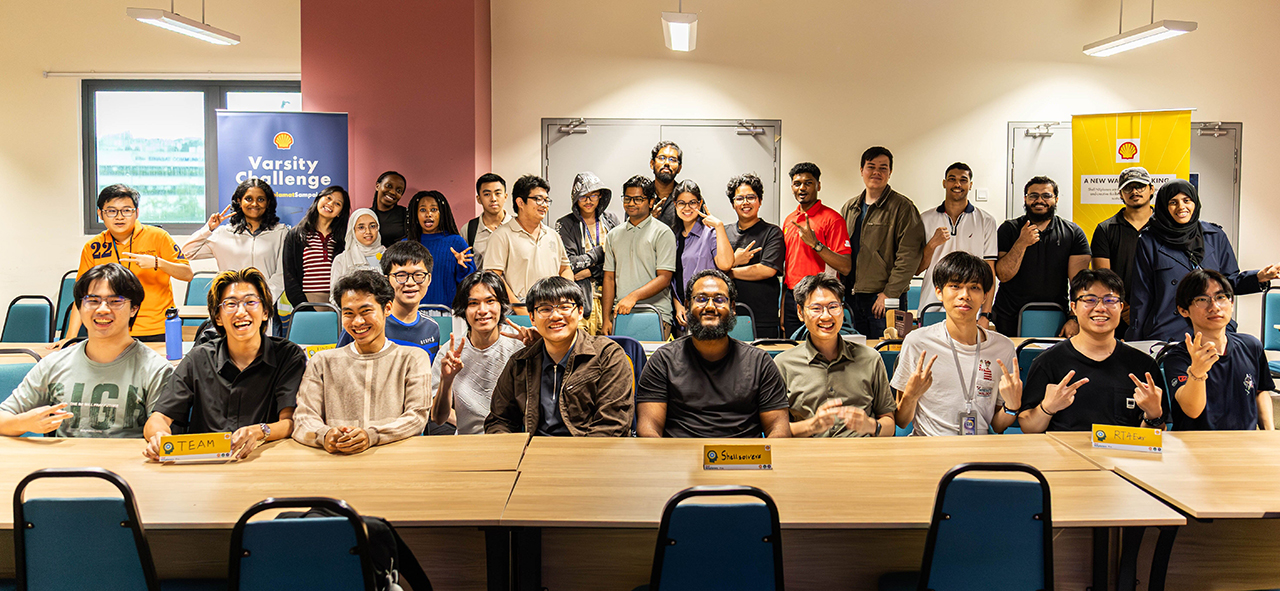
Recently, the Asia Pacific Centre of Robotics Engineering (APCORE) at Asia Pacific University of Technology & Innovation (APU), in collaboration with Shell Malaysia, successfully organised the NXplorers Pro Workshop, under the #ShellSelamatSampai Varsity Challenge 2026.
Coordinated by Ts Suresh Gobee (Senior Lecturer and Head of APCORE, School of Engineering at APU), and facilitated by Ms Zairustina Putit and Ms Khau Yuen Yuen, trainers from Shell Malaysia, the workshop brought together selected student innovators from various engineering and technology disciplines to explore strategic innovation frameworks aimed at addressing Malaysia’s road safety challenges.
Exploring Complex Road Safety Challenges through Systems thinking
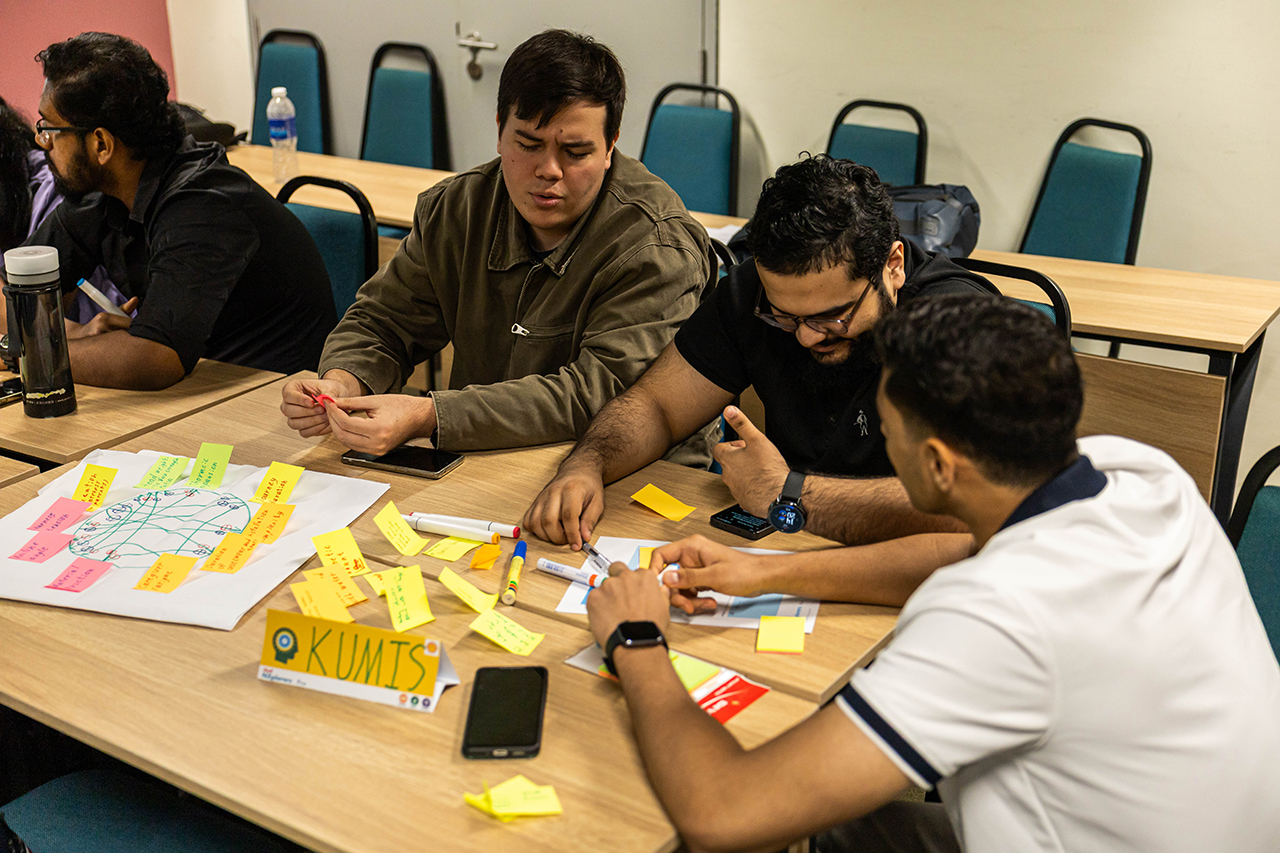
The workshop began with the “Explore” phase, where students were introduced to “Systems thinking” as a framework for understanding road safety beyond isolated incidents.
Students learned to analyse the interconnected relationship between infrastructure, technology, human behaviour, and environmental factors contributing to road accidents.
Through guided exercises, teams developed structured problem statements that balanced the issue at hand, the intended outcome, and the target beneficiaries of their proposed solutions.
One of the key activities during this phase was the Connection Circle exercise, where students mapped causal relationships and identified feedback loops influencing road safety challenges.
The activity encouraged students to move beyond surface-level assumptions and focus on identifying root causes that could lead to more sustainable interventions.
Developing future-ready Solutions through Scenario planning
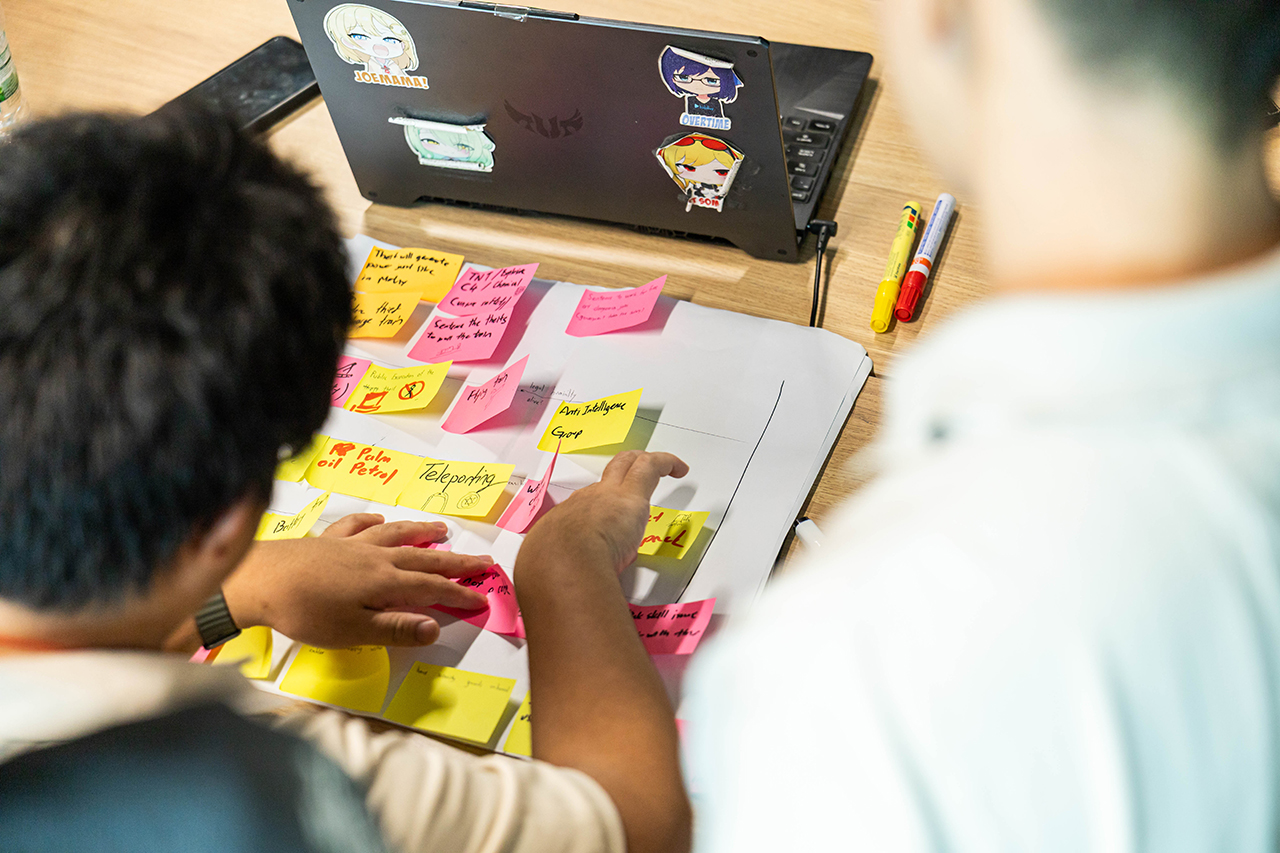
Building on their initial analysis, students progressed into the “Create” stage, where they were introduced to “Scenario planning” as a key method for developing realistic and future-oriented solutions.
Through this approach, teams examined historical trends and explored possible future scenarios in transportation and road safety, considering how social, economic, and technological shifts could influence outcomes over time.
This enabled students to better anticipate uncertainty and design solutions that remain relevant under different future conditions.
By engaging in scenario-based thinking, students strengthened their ability to evaluate how their ideas would perform across multiple possible futures, enhancing both the adaptability and long-term viability of their proposed solutions.
Strengthening Communication and Impact through Theory of change
The final stage of the workshop focused on “Theory of change,” guiding students to transform ideas into structured, impact-driven proposals through clear and strategic communication.
Students were introduced to the Persuasion Pyramid framework as a complementary tool, helping teams articulate their “Theory of change” by connecting factual evidence, human-centred storytelling, concise elevator pitches, and memorable soundbites into a coherent narrative of impact.
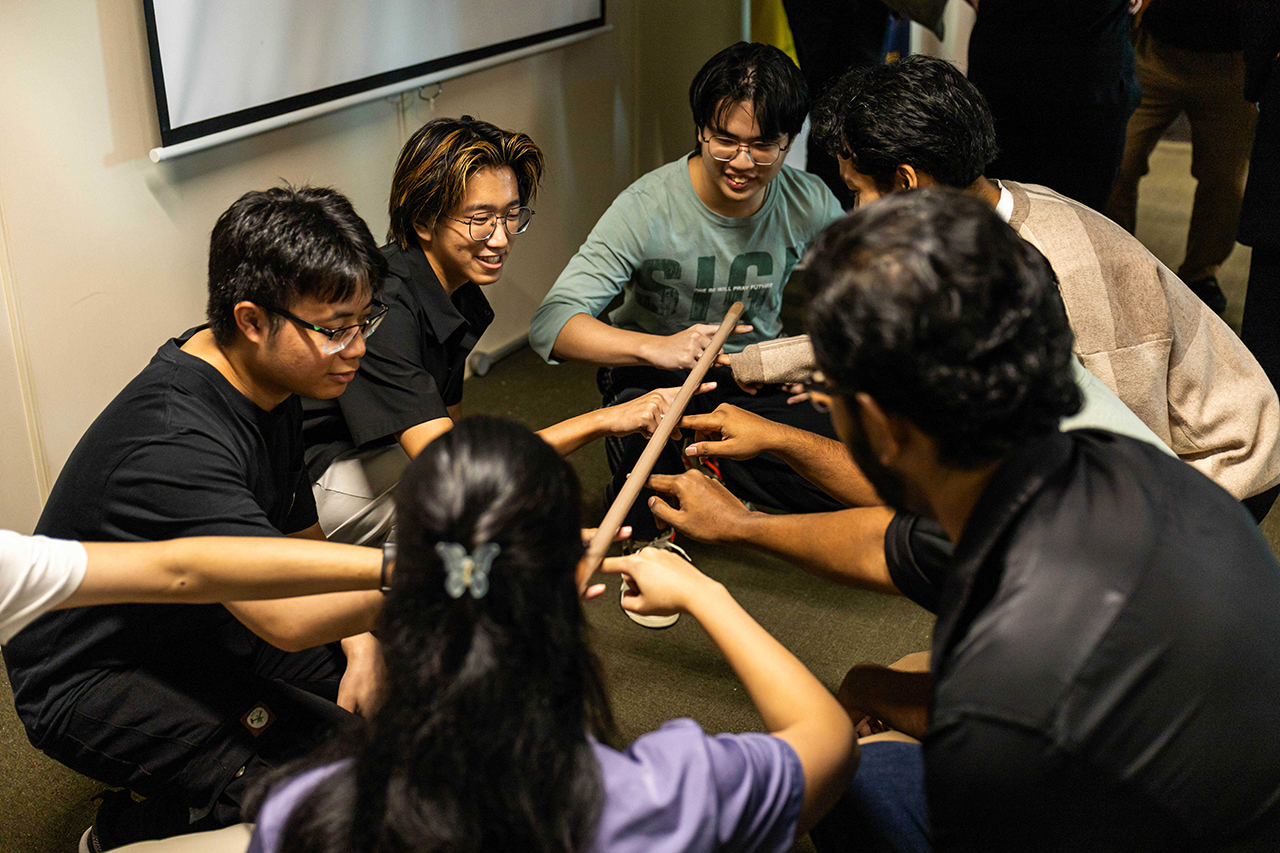
To further strengthen collaboration and teamwork, students engaged in interactive activities such as the Helium Stick icebreaker and team dynamics roleplay exercises.
These activities reinforced the importance of communication, coordination, and adaptability when working in multidisciplinary teams under time constraints, ultimately supporting students in clearly mapping how their ideas translate into real-world outcomes.
Turning Experience into Inspiration
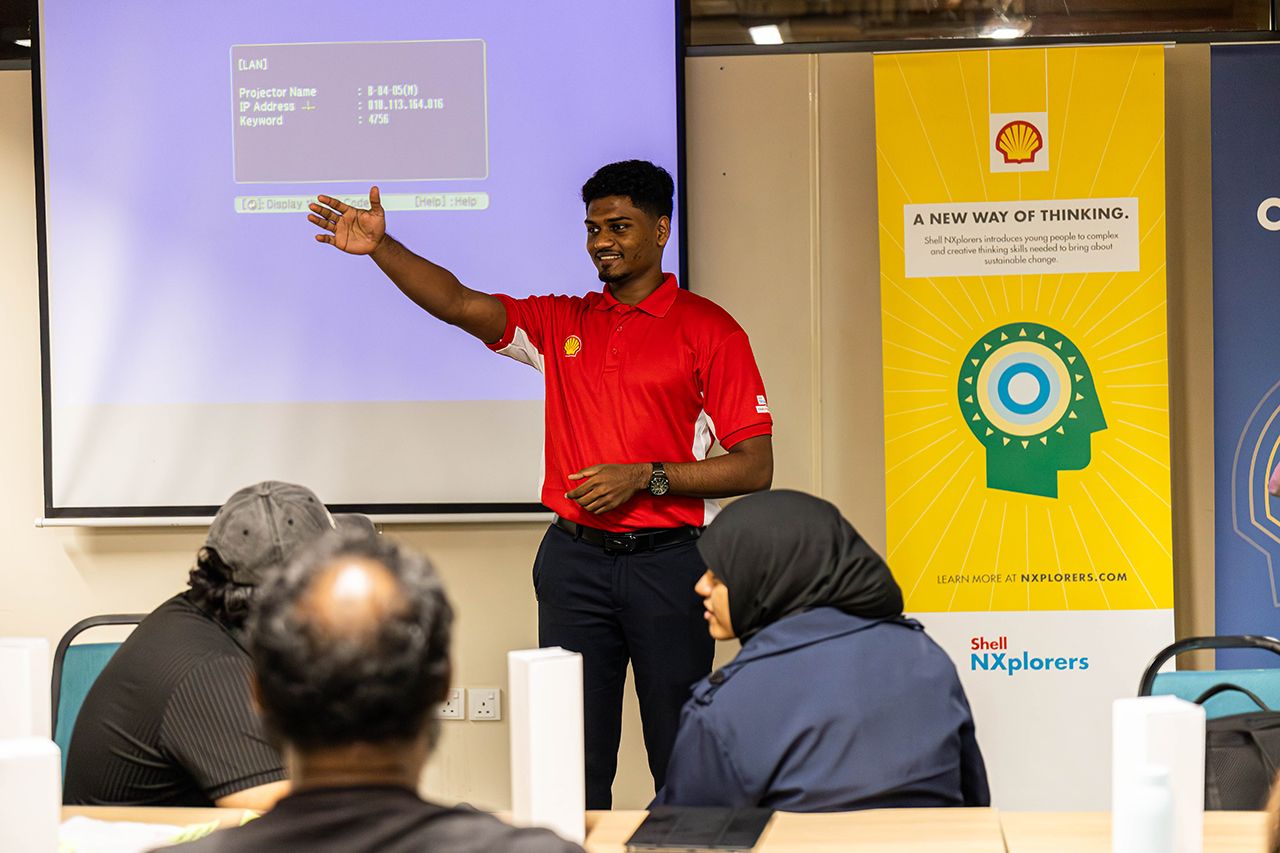
Midway through the workshop, students engaged in a peer mentorship sharing session led by Thiriidev Kumar Murlidaran, a Mechatronic Engineering student and Interim President of APCORE at APU.
In 2024, Thiriidev’s team achieved First Runner-Up in the #ShellSelamatSampai Varsity Challenge 2024, marking a significant accomplishment in the national competition through their strong performance, innovative problem-solving approach, and well-executed final pitch.
Drawing from his experience in the competition, he shared his personal journey and unpacked the practical strategies that contributed to his team’s national-level success during the workshop.
This included a structured “success blueprint” covering idea development, problem framing, teamwork, and effective preparation for high-stakes pitching environments.
The session also featured an interactive Q&A segment, where his peers sought advice on refining their ideas and navigating competition challenges.
His sharing provided his peers with clearer direction, renewed confidence, and practical insights as they prepare for the upcoming #ShellSelamatSampai Varsity Challenge 2026.
Shaping the future of Innovation at APU
The workshop served as a transformative platform that strengthened students’ understanding of structured innovation, collaborative problem-solving, and real-world application of strategic frameworks in addressing road safety challenges.
Ts Suresh highlighted that the workshop played a vital role in shaping a strong pipeline of student innovators equipped to compete at a national level, while applying global methodologies to local challenges.
“The workshop has successfully laid the foundations for our next generation of innovators, directly contributing to stronger student engagement and the successful submission of five teams for the upcoming #ShellSelamatSampai Varsity Challenge 2026, reflecting the growing confidence, readiness, and enthusiasm of the students to apply structured innovation frameworks in tackling real-world road safety challenges.”
News & Happening
Download e-Brochures
Intake Calendar
Want to know more ?
Let’s Connect