APU became the first university in Malaysia to visit the ASEAN China AI Lab, where more than 30 students experienced an eye-opening journey into the future through live humanoid robot demonstrations, blockchain innovations, and emerging AI technologies.
Image
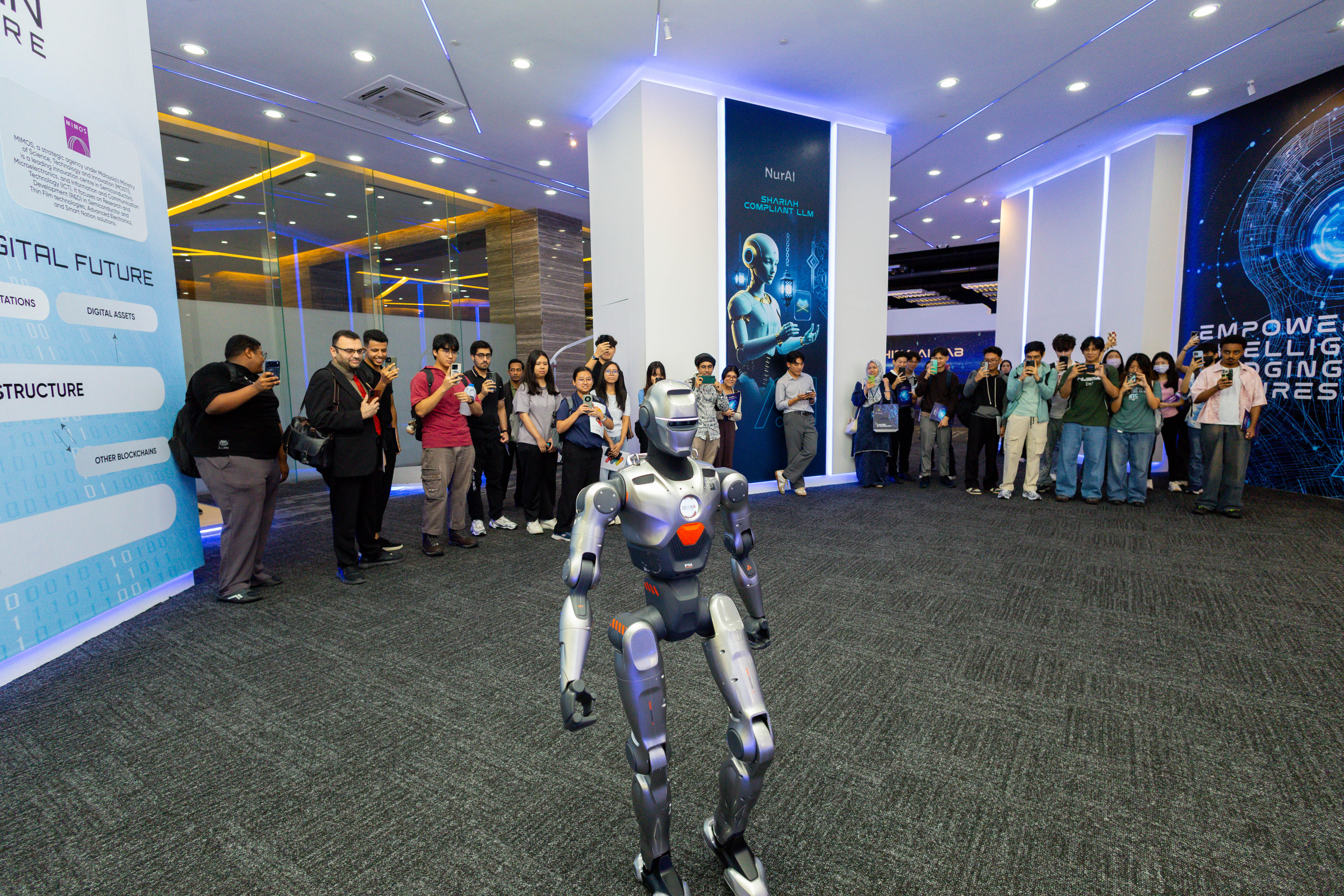
The future of technology came alive for students of the Asia Pacific University of Technology & Innovation (APU) as the university etched its name into history books by becoming the first university in Malaysia to visit the ASEAN China AI Lab — a pioneering hub driving the next wave of artificial intelligence, blockchain, and robotics innovation in the region.
Organised by APU’s School of Computing (SoC), the industrial visit brought more than 30 diploma and degree students to the ASEAN China AI Lab at Zetrix Tower, PJU 8, Petaling Jaya, on 6 May 2026. More than just an academic outing, the visit represented APU’s continuous commitment to ensuring students remain closely connected to the latest global technological developments and real-world industry applications.
Accompanied by School of Computing Lecturer Ms Aida Raihanah Mohd Marzuki and Assistant Professor Ts Dr Maythem Kamal Abbas Al-Adilee, students stepped into an environment where futuristic concepts were no longer theories in slides or textbooks, but technologies already shaping tomorrow’s world.
The visit was designed to expose students to practical applications of artificial intelligence, blockchain, and robotics, while also inspiring innovation, strengthening analytical thinking, and opening doors for future industry collaborations, internships, and research opportunities.
A Jaw-Dropping Encounter with Humanoid Robotics
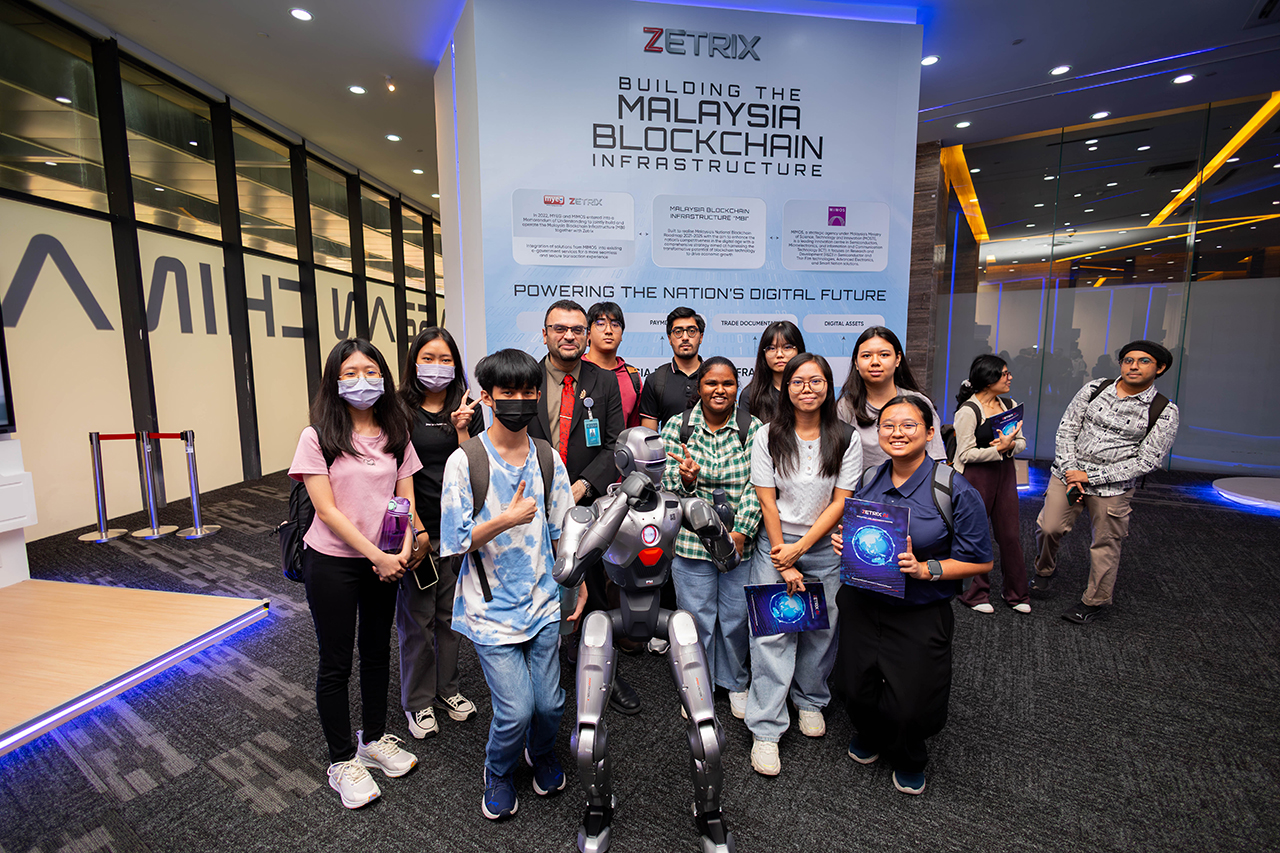
Excitement quickly filled the lab as students witnessed a live humanoid robot demonstration that instantly transformed curiosity into amazement.
What began as eager anticipation soon erupted into laughter, applause, and countless smartphone recordings as the humanoid robot showcased an energetic sequence of movements, from combat-style fighting motions to surprisingly smooth dance performances.
For many students, it was their very first encounter with a humanoid robot operating in real time.
The demonstration became one of the most unforgettable highlights of the visit, captivating not only the students but also the lecturers who watched in fascination alongside them. The atmosphere inside the lab resembled a blend of a technology showcase and a futuristic live performance, leaving students visibly energised by the possibilities of robotics and AI integration.
Established in 2025, the ASEAN China AI Lab focuses on Generative Artificial Intelligence, Zetrix layer-1 blockchain technology, and robotics under its “R&D in China, Application in ASEAN” operational model. The lab serves as a platform for technological collaboration aimed at accelerating Southeast Asia’s digital transformation.
Beyond the live demonstrations, students were also guided through a detailed lab walkthrough, where they explored cutting-edge facilities and emerging technologies currently under development.
Exploring Blockchain, AI, and Southeast Asia’s Digital Future
The experience combined with an exclusive sharing session conducted by Mr Jarod Cheah, Senior Executive of Business Development at Zetrix, held at the auditorium on Level 43 of the tower.
Against the backdrop of Petaling Jaya’s skyline, students gained valuable insights into the lab’s origins, strategic partnerships, and technological ecosystem. Mr Jarod explained how the lab emerged from government-to-government initiatives and highlighted its contributions towards Malaysia’s Blockchain Infrastructure development.
Students were also introduced to NurAI, recognised as the world’s first Shariah-aligned Large Language Model, alongside discussions surrounding blockchain adoption and AI-driven innovation across ASEAN nations.
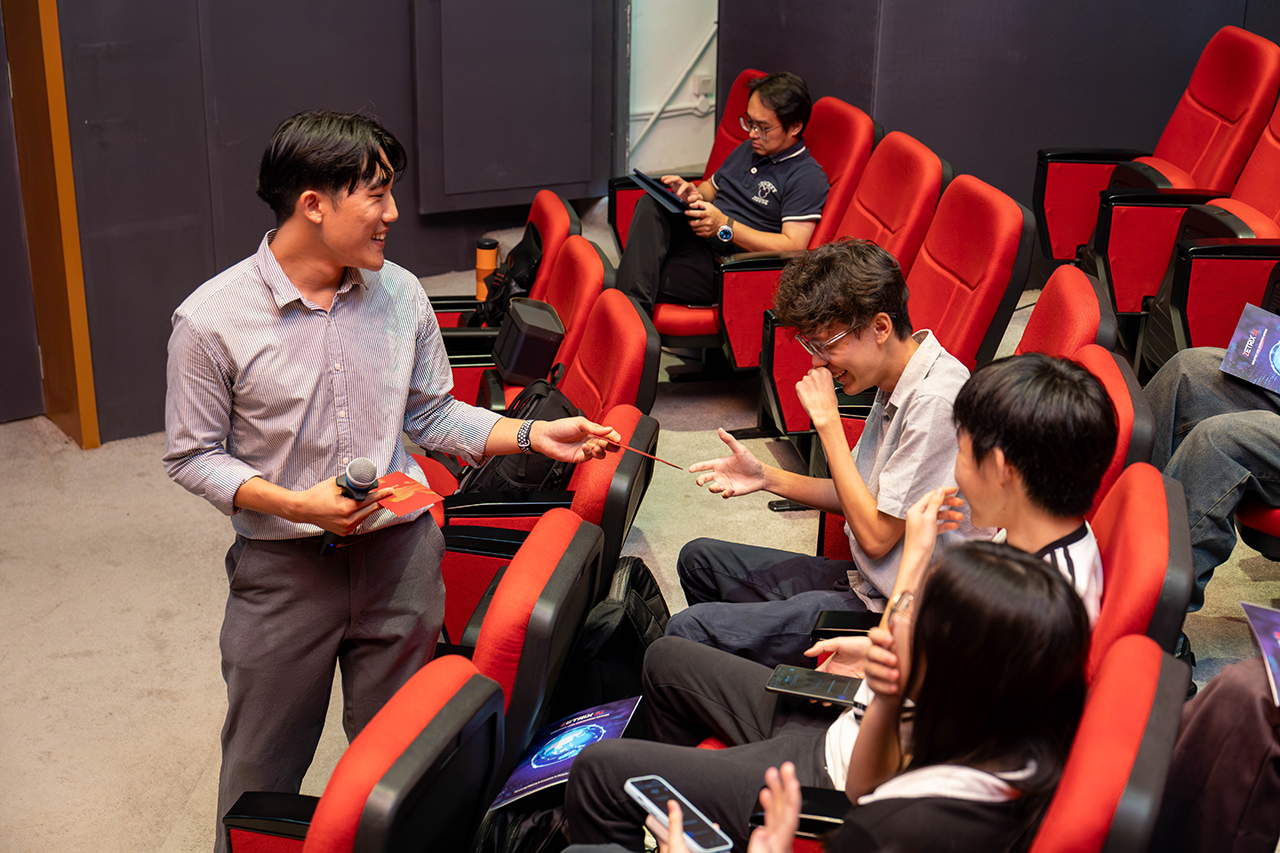
Keeping the session lively and interactive, the organisers incorporated a Kahoot quiz that quickly sparked friendly competition among the students. Cheers and laughter filled the auditorium as participants raced to answer questions, with three APU students eventually walking away with ang pows as top scorers.
The visit concluded with a 20-minute networking and question-and-answer session, giving students the opportunity to engage directly with industry professionals and gain deeper perspectives on career pathways within emerging technology sectors.
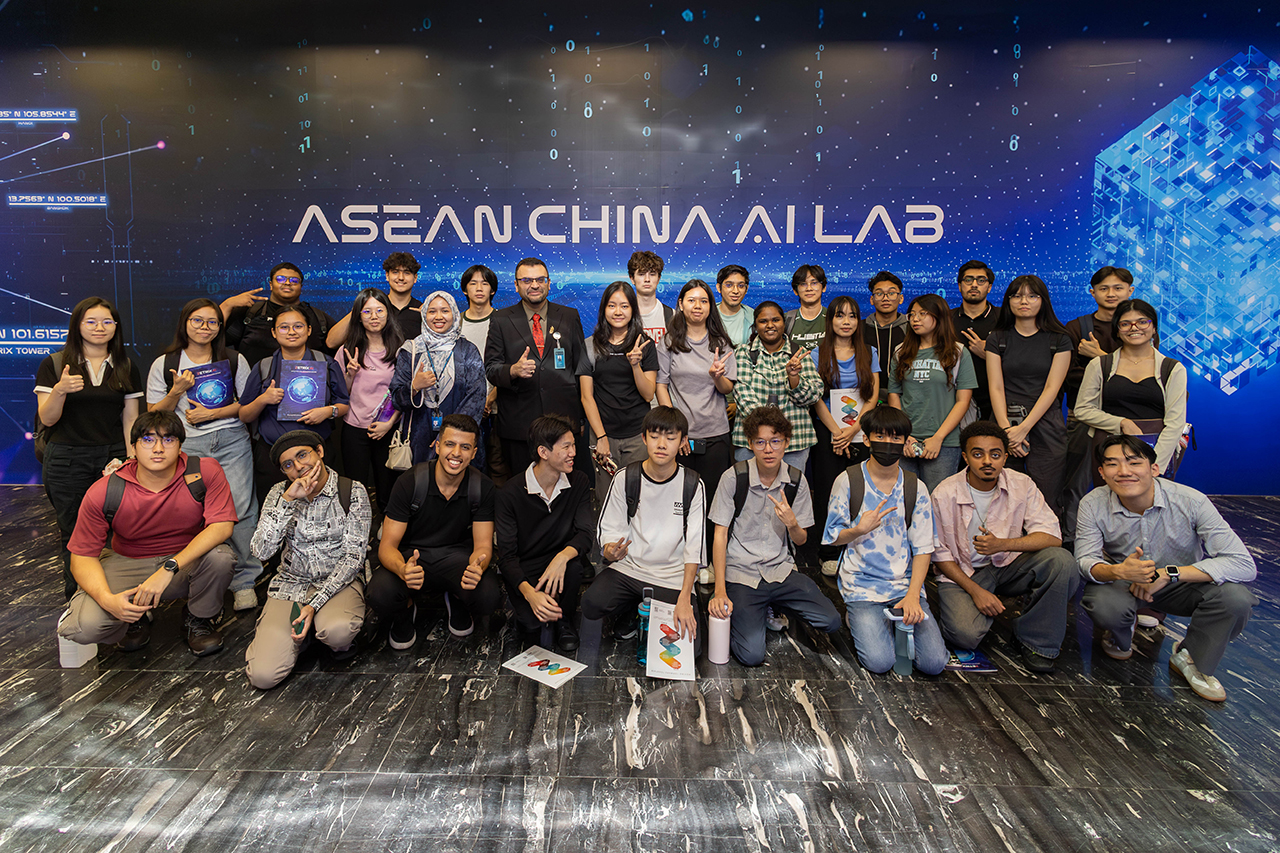
To commemorate the occasion, both organisations participated in a gift exchange ceremony followed by a group photograph marking APU as the first university to visit the ASEAN China AI Lab.
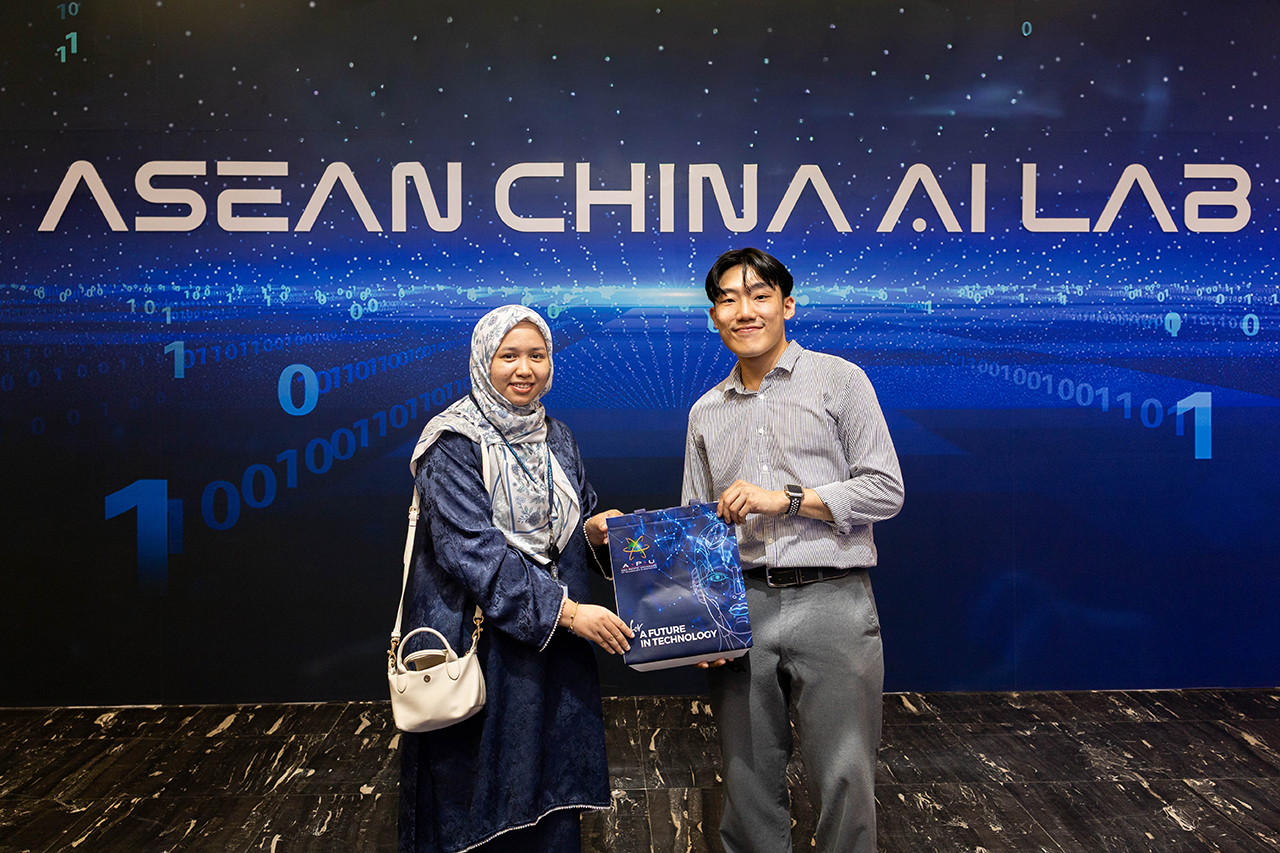
Reflecting on the experience, Bhone Myint Maw, 22, a Bachelor of Science (Honours) in Computer Science (Cyber Security) student, shared, “The visit was both engaging and educational, offering a firsthand look at the future of blockchain and the development of ‘Avatar AI’. I particularly enjoyed the robot demonstration, which provided a fascinating perspective on how digital twins and physical automation are being integrated.”
Meanwhile, Head of the School of Computing, Assoc Prof Ts Dr Tan Chin Ike, emphasised the importance of creating immersive learning experiences that go beyond traditional classroom teaching.
“Technology education should never feel like memorising code inside four walls. We want our students to experience innovation where it actually happens, to see it move, hear it, question it, and sometimes even dance with it. When students are exposed to dynamic environments like this, their curiosity sharpens naturally, and that curiosity is what powers strong analytical thinking and future-ready problem-solvers,” he remarked.
News & Happening
Download e-Brochures
Intake Calendar
Want to know more ?
Let’s Connect