Cash Flow Board Game Challenge brings financial concepts to life through experiential learning and industry collaboration.
Image
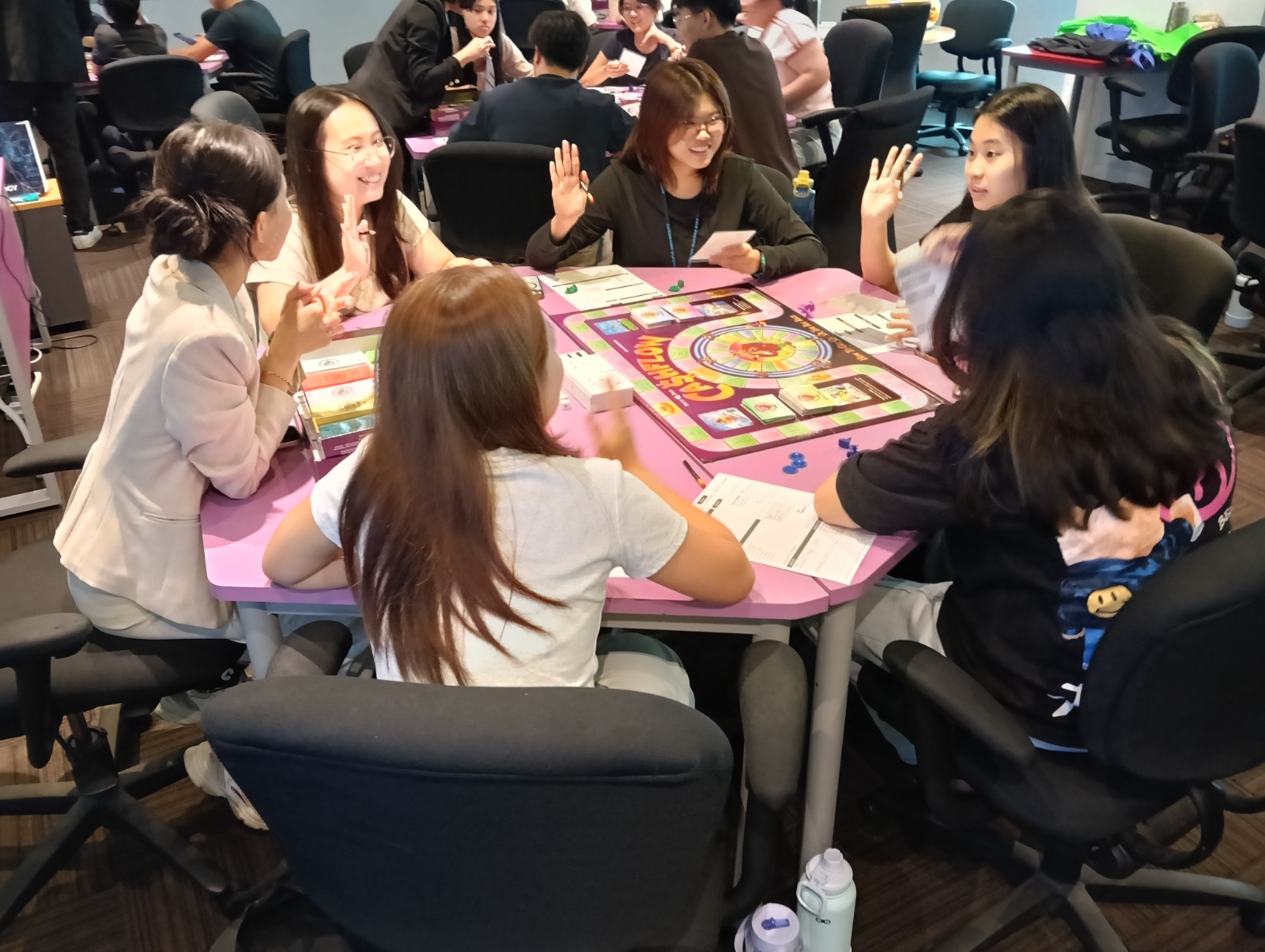
Financial planning does not always have to begin with spreadsheets, formulas or lectures. At Asia Pacific University of Technology & Innovation (APU), it can also begin around a board game table, where every decision carries consequences, and every move becomes part of the learning journey.
On 8 September 2026, about 40 APU Financial Planning students took part in “Play Smart, Plan Smart: The Cash Flow Board Game Challenge”, a two-hour experiential learning activity held on campus to help students translate classroom knowledge into practical financial decision-making.
Organised as part of the AQ096-3-2 Financial Planning module, the activity created a simulated environment where students could make financial choices, experience their outcomes and reflect on their implications — without putting real money at risk.
Learning Financial Planning Through Decisions
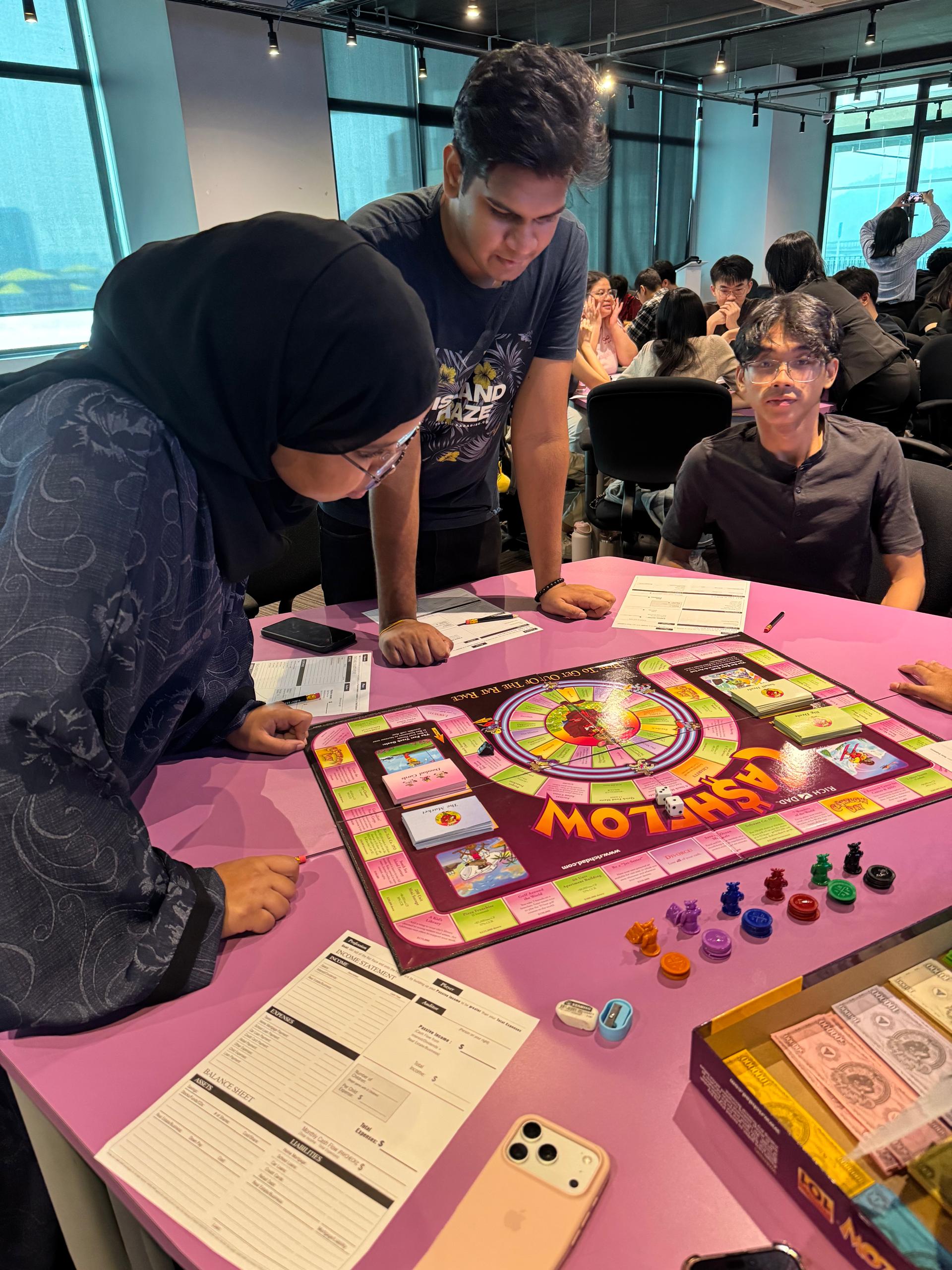
The challenge was designed to strengthen students’ understanding of how income, expenses, assets, liabilities, savings, debt and investments interact to shape an individual’s cash flow and overall financial position.
Rather than learning these concepts only in theory, students were placed in situations where they had to decide how much to spend, whether to save or invest, how to respond to unexpected costs, and when the use of debt might either support or undermine their financial goals.
The session began with an introduction to the learning objectives, game rules and cash flow tracking methods. Students then played in small groups, making a series of financial decisions while responding to opportunities and unforeseen expenses built into the game.
As each round progressed, they could immediately observe how individual choices affected their cash position, debt commitments and ability to work towards longer-term goals.
Bringing Industry Perspectives into the Classroom
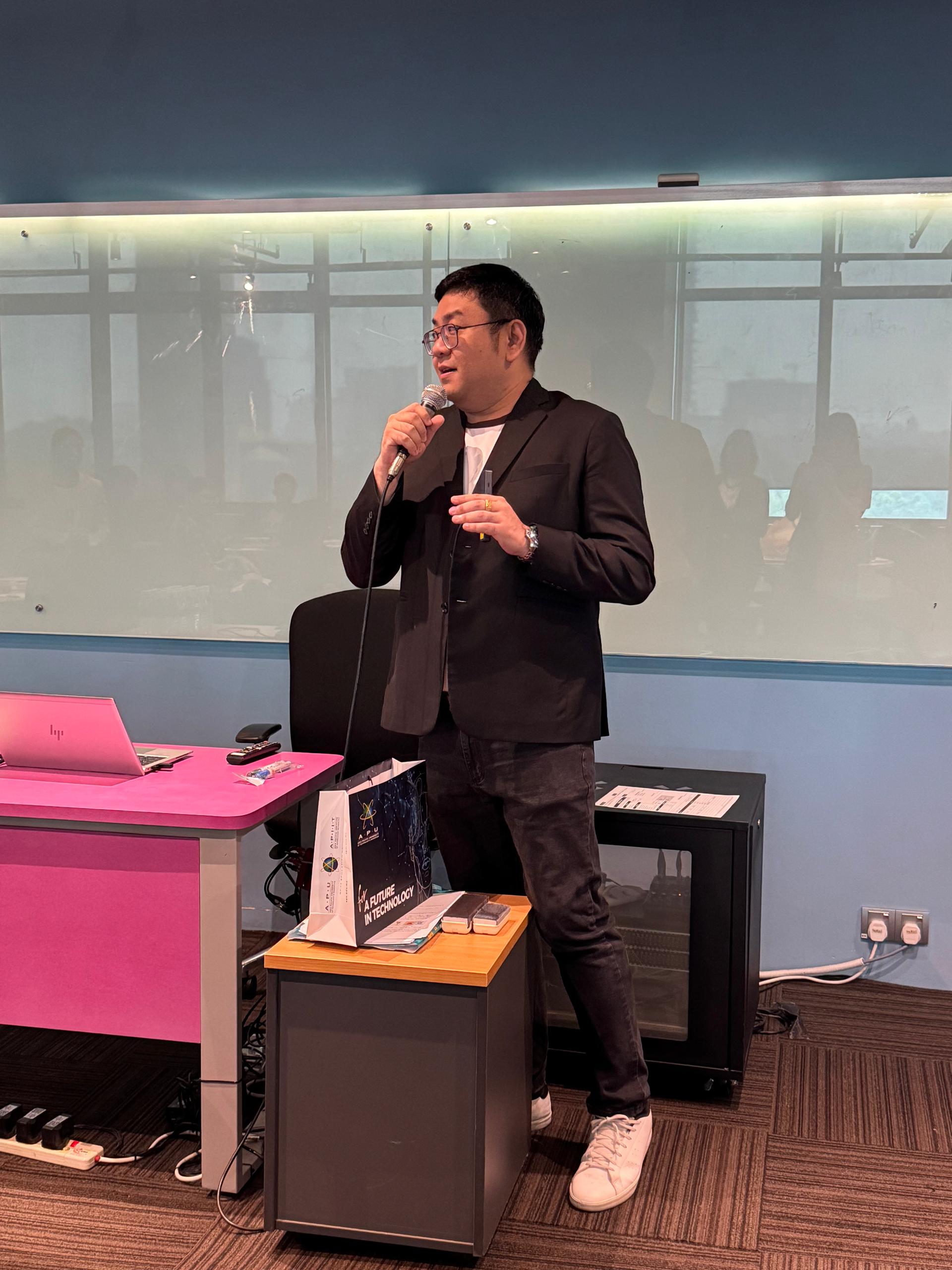
The Cash Flow Board Game Challenge was coordinated by Dr Ng Hui Chen, Senior Lecturer, and Dr Lee Pei Ling, Assistant Professor, from APU’s School of Accounting & Finance (SoAF).
Adding an industry dimension to the session was the participation of Shan Advisory, led by Group Agency Manager Mr Lye Yik Ming.
Shan Advisory is a Malaysia-based wealth planning and insurance advisory firm providing financial services to individuals, families and businesses. Its representatives guided students during the gameplay and helped relate the simulated decisions to situations that individuals may encounter in real-world financial planning.
The activity concluded with reflection, industry sharing and a question-and-answer session. Students examined why certain choices had strengthened their cash flow while others created financial pressure, allowing them to connect their experience in the game with broader principles of responsible financial management.
Turning Abstract Concepts into Meaningful Lessons
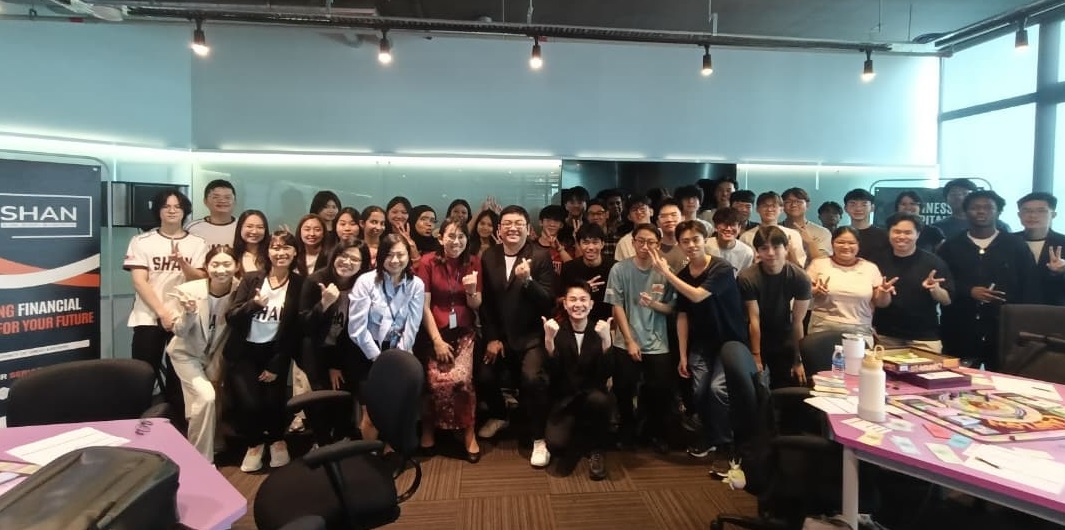
Student feedback showed that the interactive format helped make financial planning concepts more tangible, particularly in the areas of budgeting, managing unexpected expenses, investment decision-making and the strategic use of debt.
“The cash flow board game was fun and interactive. It helped me understand how to manage money, make financial decisions and practically deal with unexpected expenses,” said Chin Yong Jun, a student pursuing the Bachelor in Banking and Finance (Hons) with a specialism in Investment Analytics at APU.
Fellow Investment Analytics student Tumelo Chiyanjano Magombo described the experience as both engaging and eye-opening.
“The cash flow board game was eye-opening and engaging. My key takeaway was the power of leveraging debt, and the game made financial concepts easy to understand. I had an amazing and educational experience,” he shared.
Building Financial Confidence Through Experience
Beyond making learning more enjoyable, the Cash Flow Board Game Challenge demonstrated how thoughtfully designed experiential activities can help students develop judgement, confidence and a deeper understanding of the consequences behind financial choices.
Prof Dr Chong Lee Lee, Head of APU’s School of Accounting & Finance, said the collaboration between academia and industry was central to creating a meaningful learning experience.
“Financial planning becomes more meaningful when students are able to move beyond theory, make decisions for themselves and see how those decisions affect their financial position. Through this collaboration between our academic team and Shan Advisory, students were able to test different approaches, reflect on the trade-offs involved and relate classroom concepts to practical financial situations. Such experiences strengthen not only their technical understanding, but also the judgement and financial awareness they will need in their future professional and personal lives,” she concluded.
News & Happening
Download e-Brochures
Intake Calendar
Want to know more ?
Let’s Connect