Senior student innovators share real-world robotics expertise with junior learners beyond the classroom
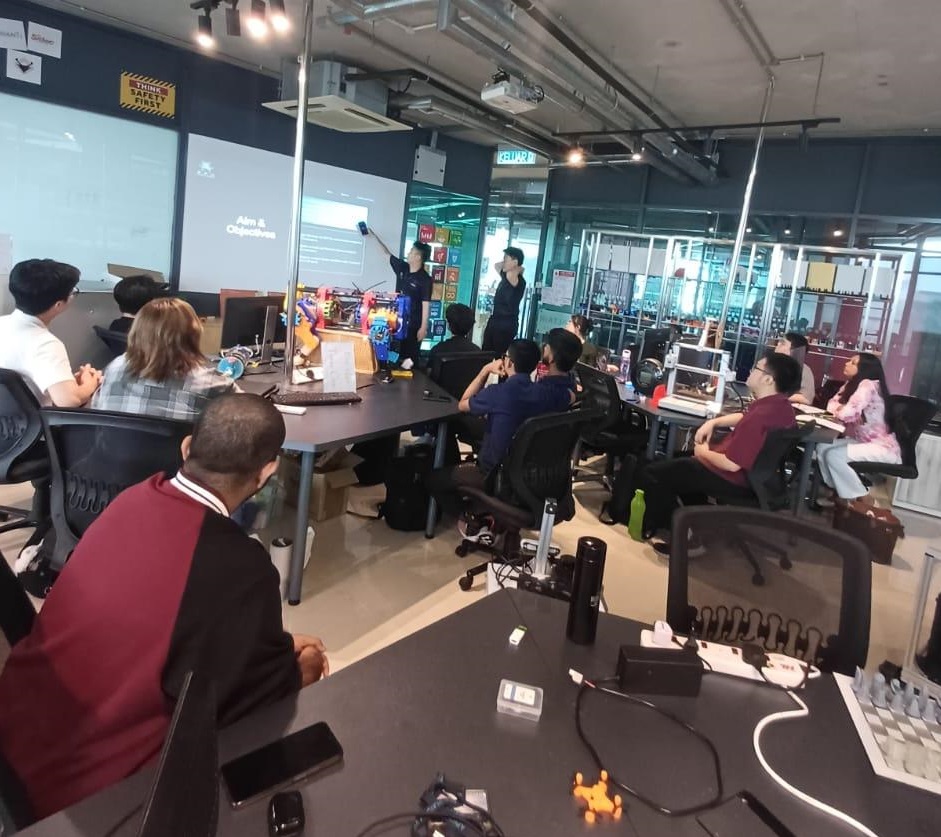
At the Asia Pacific University of Technology & Innovation (APU), learning does not end in lecture halls. Through a recent Knowledge Transfer (KT) initiative centred on the Scuttle Autonomous Mobile Robot (AMR), students experienced how innovation can be passed from one generation of learners to the next.
Held on 13 and 27 February 2026 at APU’s Centre for Research and Development of IoT (CREDIT) laboratory, the programme brought together Diploma and Year 1 Degree students for an immersive learning experience guided by senior student innovators and research engineers.
The sessions demonstrated how practical knowledge, research experience and innovation culture can be shared beyond formal teaching, creating a vibrant ecosystem of peer-driven learning within the university.
Learning Beyond the Classroom
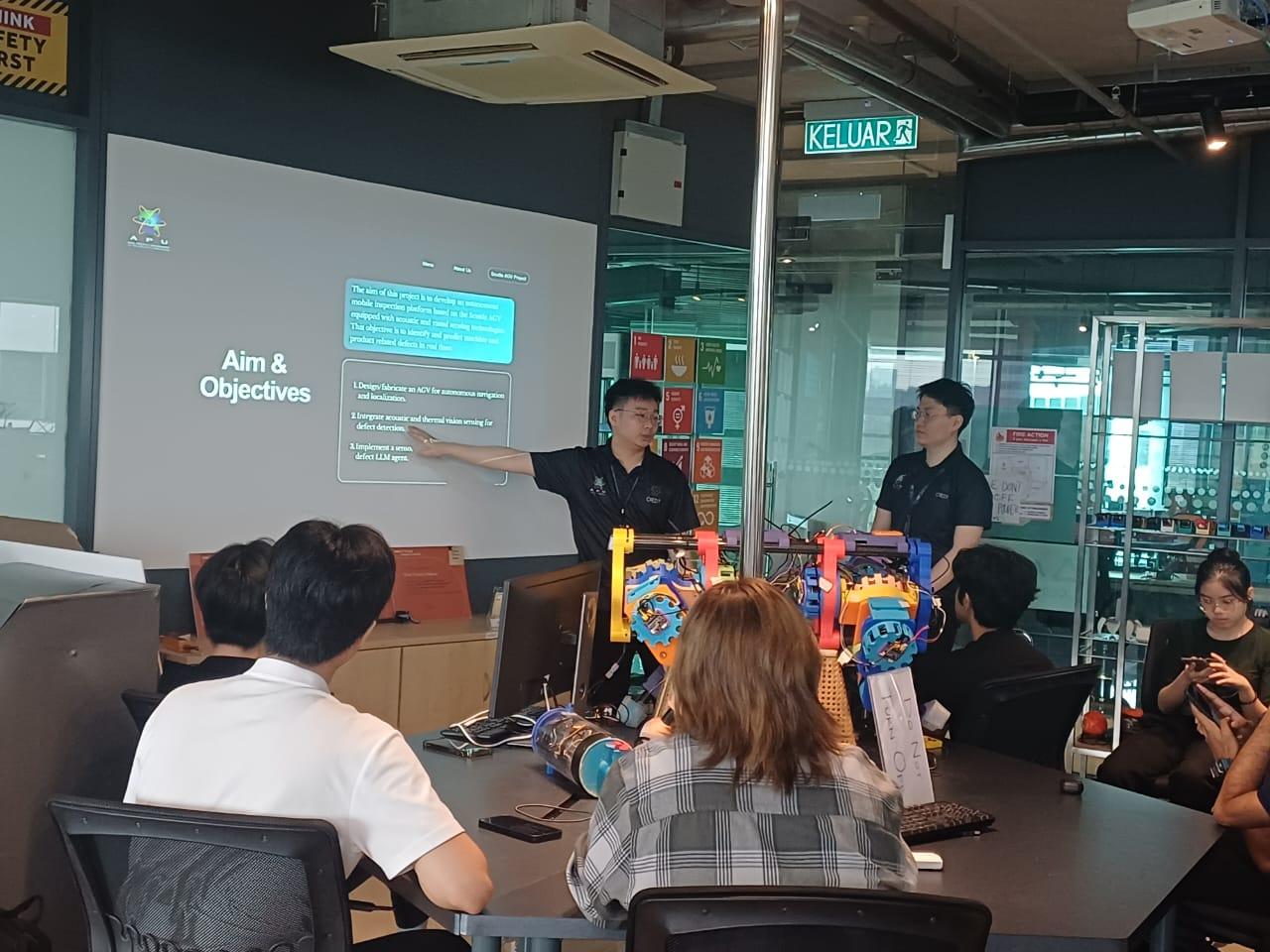
The Knowledge Transfer sessions were designed to introduce junior students to the fast-evolving fields of robotics, artificial intelligence (AI) and intelligent automation. Rather than relying solely on lectures or textbooks, participants were given direct exposure to an operational robotics platform — the Scuttle Autonomous Mobile Robot.
Through guided demonstrations and discussions, students explored how modern robots are designed, how they navigate their surroundings and how different technologies such as sensors, computing systems and software frameworks work together to create intelligent machines.
This hands-on exposure helped students understand how the concepts they encounter in the classroom translate into real engineering applications in areas such as smart manufacturing, industrial automation and intelligent monitoring.
Passing the Baton of Innovation
A defining feature of the programme was its mentorship-driven approach. The sessions were led by senior student innovators and young research engineers who had themselves developed robotics systems during their studies at APU.
By sharing their research journeys, technical insights and project experiences, they helped junior students see what is possible through curiosity, experimentation and perseverance.
One highlight of the programme was the presentation of HydroGuard, an award-winning robotics project developed by Sin Jun Yan, a Bachelor of Mechatronic Engineering student, who is also an Associate Robotics Research Engineer at CREDIT.
HydroGuard is used to detect chemical leaks and monitor hazardous industrial environments. The project demonstrated how robotics can evolve beyond simple automation into intelligent systems capable of enhancing workplace safety.
For the junior participants, seeing a project built by their seniors provided a powerful example of how student ideas can grow into impactful technological innovations.
Understanding the Intelligence Behind Robotics
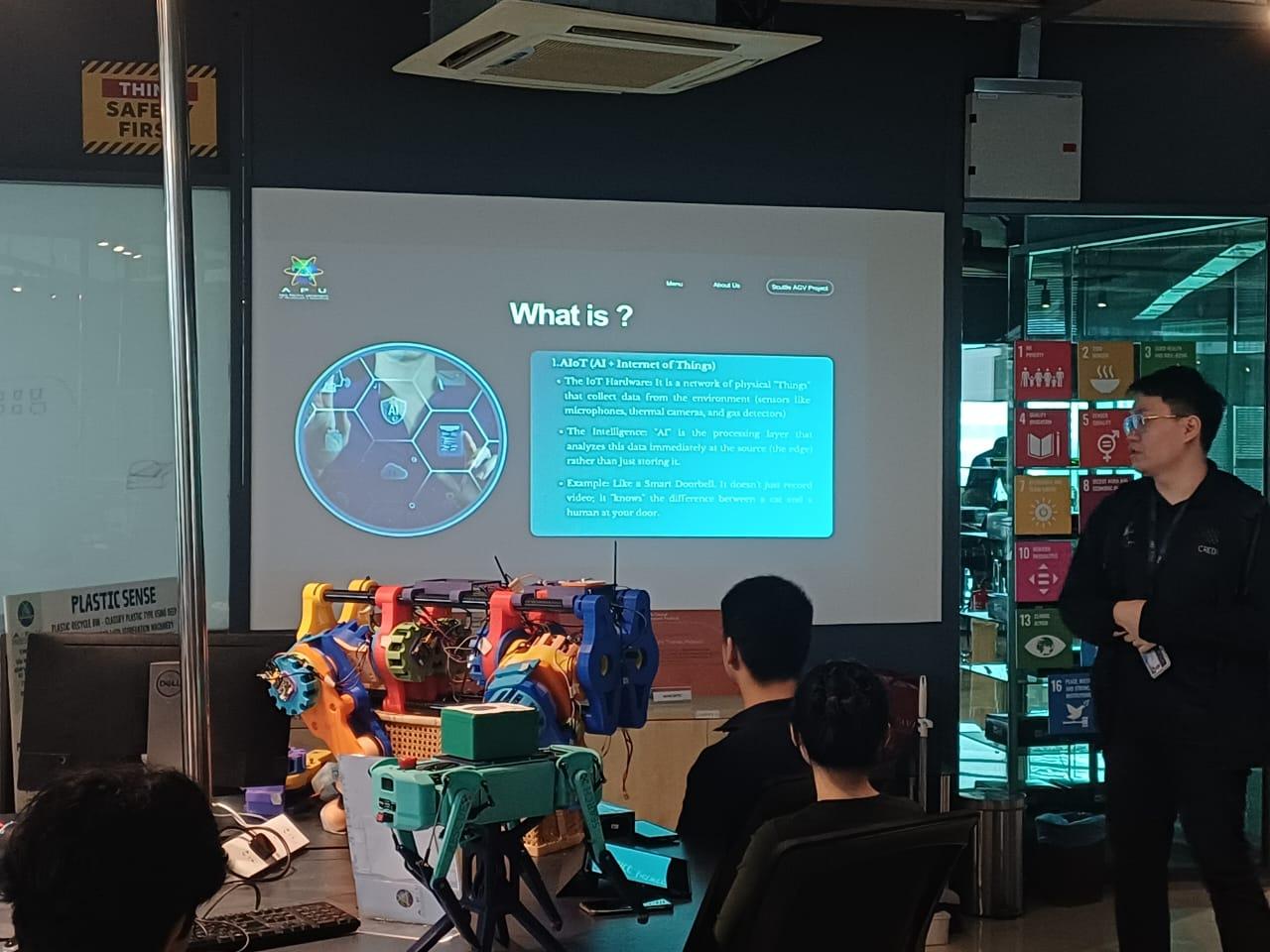
Beyond the physical hardware of robots, students were also introduced to the software intelligence that enables autonomous systems to function effectively.
Led by Chin Kah Min, a Bachelor of Computer Engineering student and the lead software developer for the Scuttle AMR project, the session explored how robotics systems increasingly integrate artificial intelligence, data analysis and advanced software frameworks to interpret environmental information and make decisions.
Students also gained insights into how modern robotic platforms combine multiple sensors — including visual, thermal and environmental data — to develop a clearer understanding of their surroundings.
These capabilities form the foundation of intelligent robotics applications used in sectors such as manufacturing, inspection and predictive maintenance.
By presenting these technologies in an accessible way, the programme helped students appreciate how robotics, AI and the Internet of Things (IoT) are converging to shape the future of Industry 4.0.
Strengthening APU’s Innovation Culture
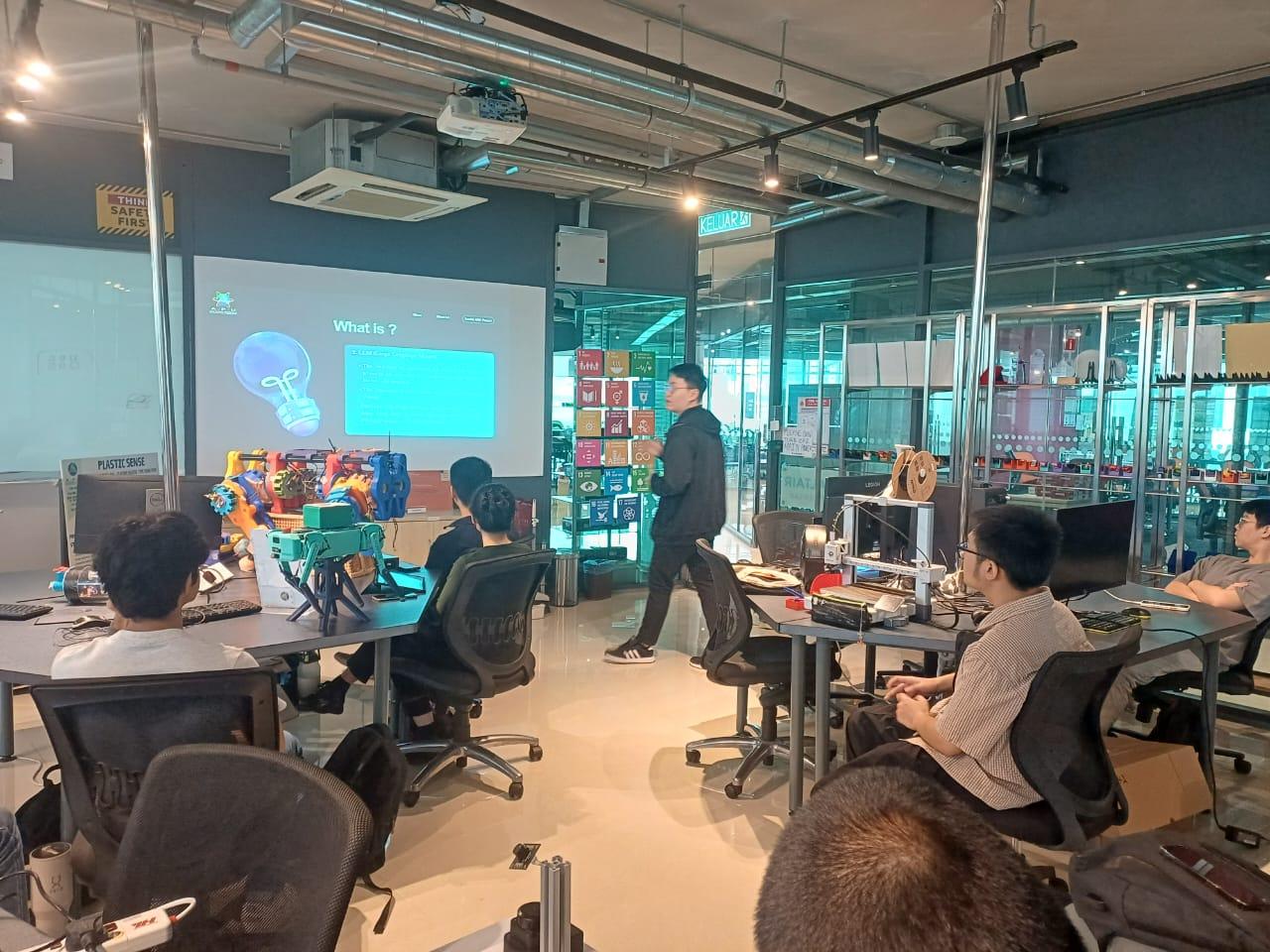
Beyond the technical knowledge shared, the Knowledge Transfer sessions reflected a broader culture that defines APU’s engineering ecosystem — one built on collaboration, mentorship and applied innovation.
By creating opportunities for students to learn directly from peers who have already navigated research and development projects, APU encourages a cycle of continuous learning and innovation within its community.
This model not only strengthens technical competence but also nurtures entrepreneurial thinking, problem-solving skills and the confidence to pursue ambitious ideas.
The initiative also highlights the role of the Centre for Research and Development of IoT (CREDIT) as a hub where students, researchers and industry partners work together to transform ideas into real technological solutions.
Nurturing Future Technology Leaders
As industries around the world accelerate their adoption of robotics and intelligent systems, universities play a crucial role in preparing students for this transformation.
Through programmes such as the Scuttle AMR Knowledge Transfer initiative, APU continues to demonstrate how experiential learning and peer mentorship can complement academic teaching.
By engaging directly with real robotics platforms and learning from senior innovators, students gain early exposure to the technologies shaping tomorrow’s industries. More importantly, they become part of a growing community of innovators who support and inspire one another.
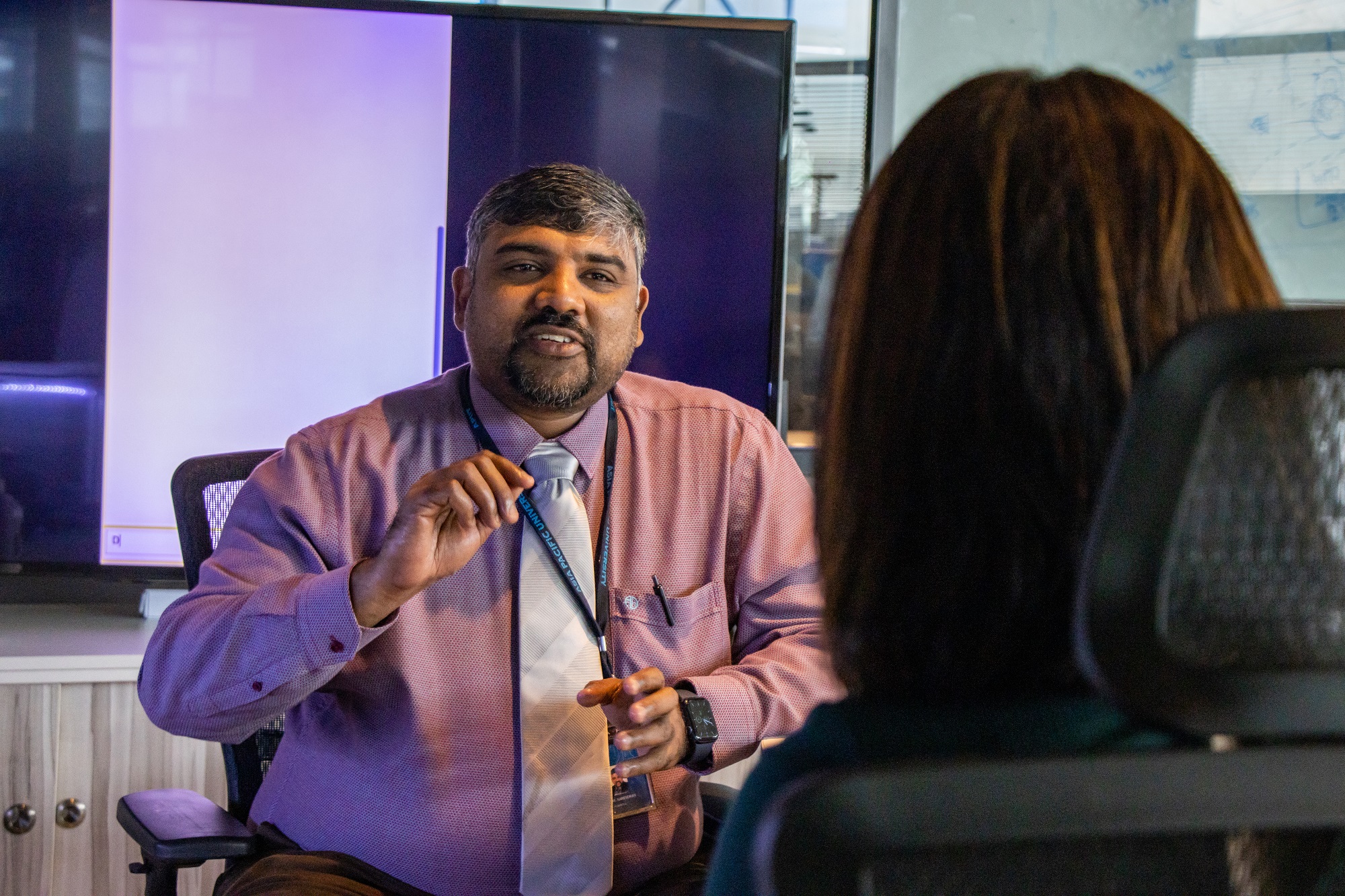
Assistant Professor Dipl-Ing Inv Ir Narendran Ramasenderan, Head of the Centre for Research and Development of IoT (CREDIT), emphasised the importance of this approach:
“At APU, we believe that innovation is best cultivated through experience and shared learning. Initiatives like this Knowledge Transfer programme enable our students to go beyond theory, learning directly from peers who have translated ideas into real-world solutions. This creates a continuous cycle of mentorship, where knowledge is not only acquired but also passed on—preparing our graduates to be both capable engineers and future innovators.”
In doing so, APU reinforces its commitment to producing graduates who are not only technically skilled but also creative thinkers ready to lead the next wave of technological advancement.
News & Happening
Download e-Brochures
Intake Calendar
Want to know more ?
Let’s Connect