Image
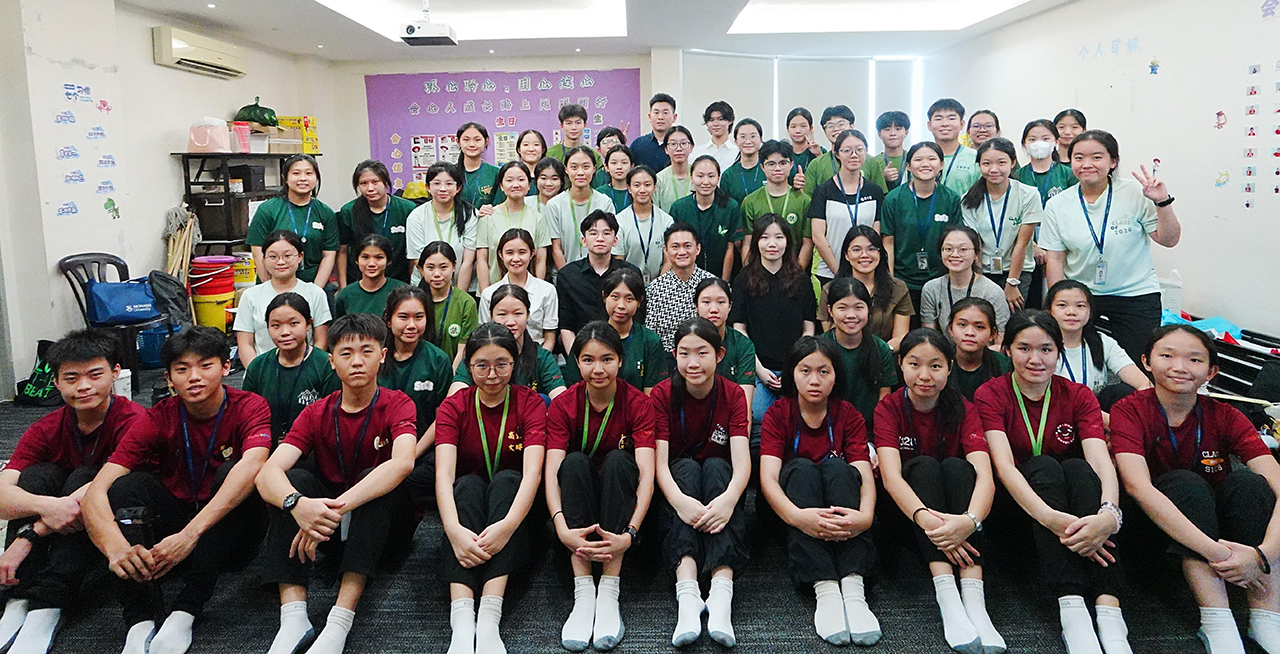
Recently, the School of Psychology (SoP) at Asia Pacific University of Technology & Innovation (APU) facilitated a two-day Social-Emotional Learning (SEL) camp at Pin Hwa High School, Klang.
Led by Mr Jaff Choong Gian Yong (Lecturer, SoP at APU), together with five Psychology students who supported the delivery of the programme as facilitators, the programme provided Junior 3 high school students with an engaging, play-based learning experience designed to foster social-emotional awareness, reflection, and personal growth, aligning with Sustainable Development Goal 3 and 4 (SDG 3 and SDG 4).
Day One: Introducing Social-Emotional Learning through Play
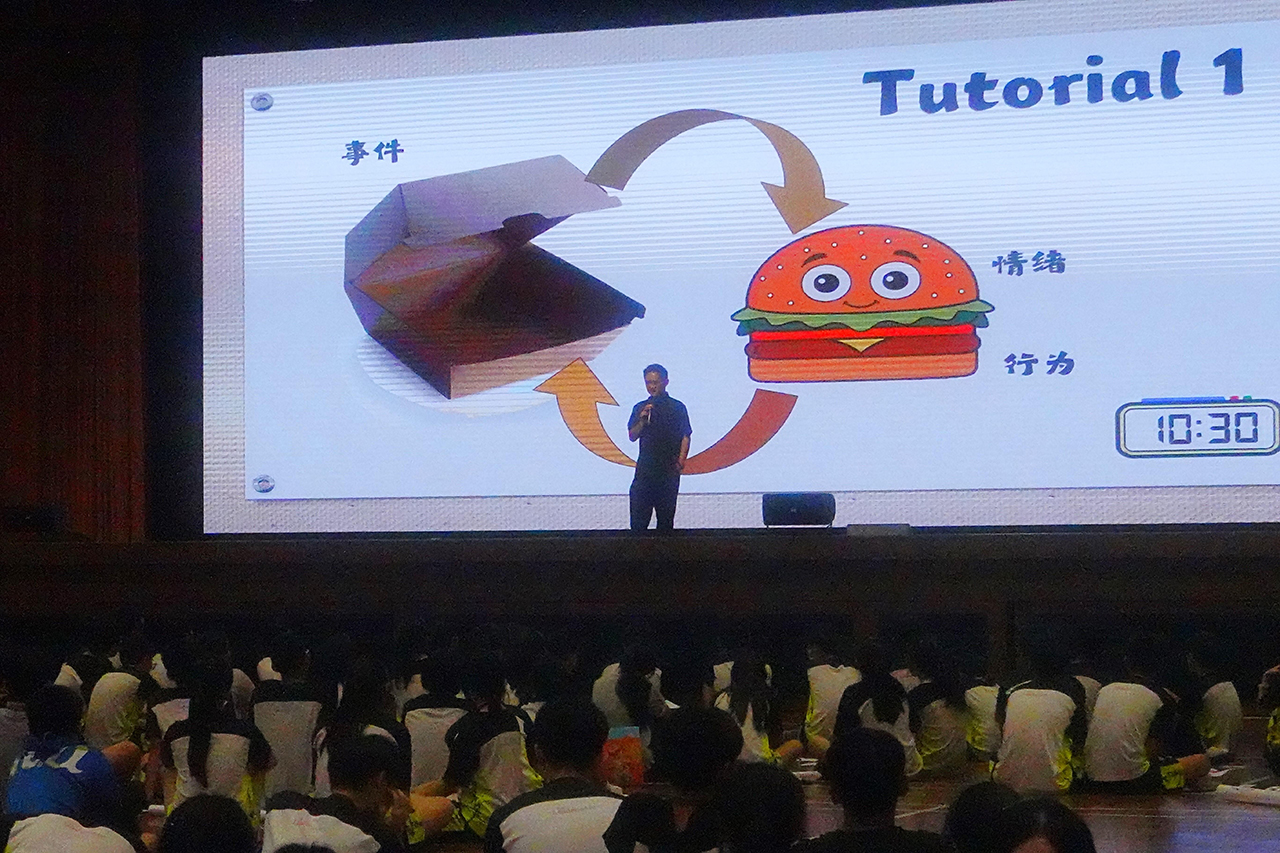
The first day of the programme introduced students to key social-emotional learning concepts through the principles of Neuro-Dramatic-Play (NDP).
Through a series of interactive activities, students explored important topics such as recognising toxic friendships, establishing healthy personal boundaries, and understanding the connection between the brain, emotions, and behaviours.
They also learned how Cognitive Behavioural Therapy (CBT) concepts can be applied to identify and reshape thoughts, emotions, and actions in everyday situations.
These experiential activities encouraged students to actively participate, communicate with their peers, and develop greater self-awareness, while gaining practical strategies to navigate social and emotional challenges.
Reflecting on his experience as a facilitator during the programme, Kwung Jian Ming, a Psychology student at APU, highlighted how experiential learning helped bridge classroom knowledge with real-world practice, strengthening his confidence and empathy as a future mental health practitioner.
“One of the biggest lessons i learned was the importance of recognising students’ emotions and adapting my approach accordingly, as navigating the age gap and differences in school culture challenged me to communicate more effectively, build rapport, and develop a deeper understanding of students’ emotional needs.”
Day Two: Reinforcing Learning through Experience
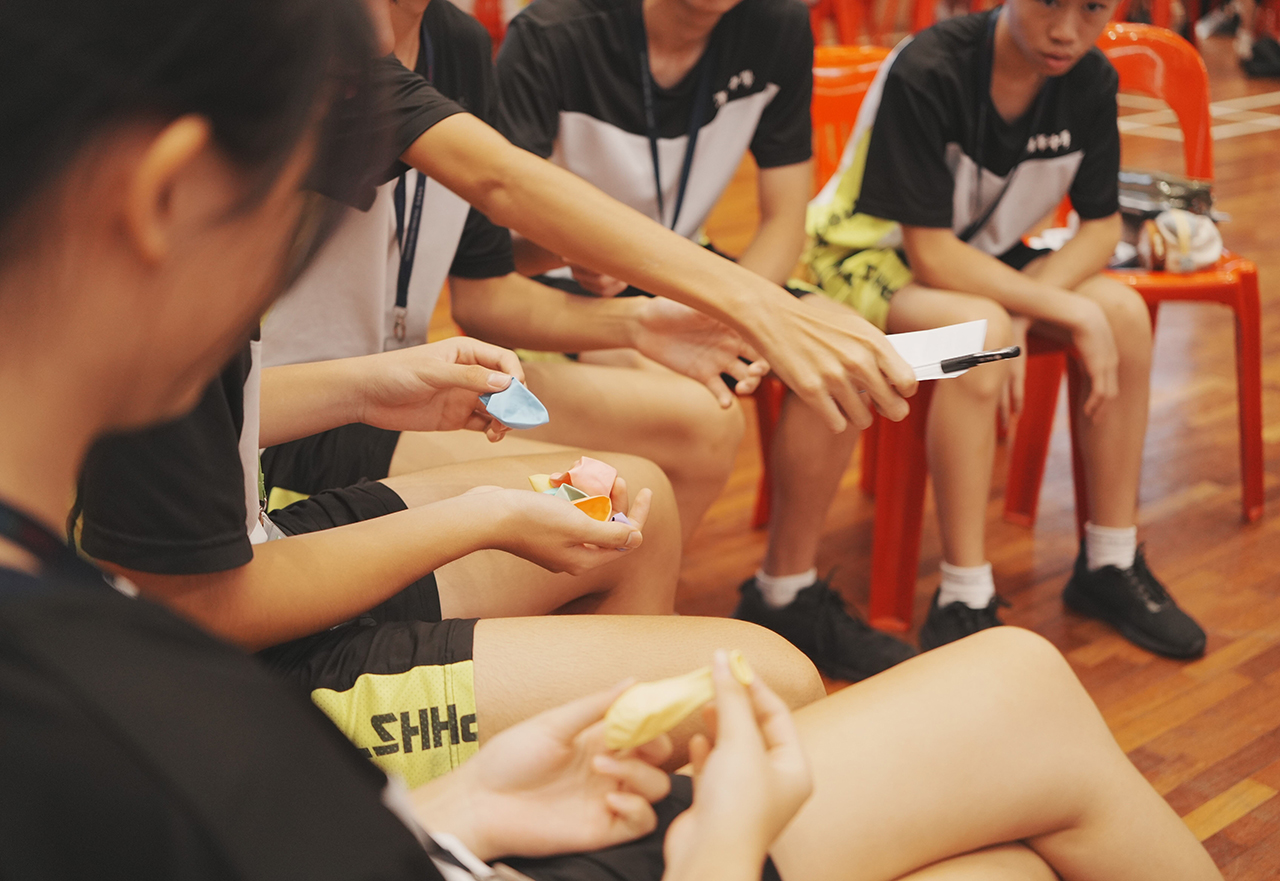
Building on the previous day’s activities, students continued their learning journey through interactive challenges that encouraged them to apply social-emotional skills in practical situations.
Through group activities and discussions, students explored topics such as identifying online scams, understanding healthy ways to manage stress, providing effective praise, and offering emotional support to others.
The programme concluded with reflection activities that encouraged students to consider how the skills and knowledge gained could be applied in their daily lives.
By connecting psychological concepts with real-world experiences, students developed a deeper understanding of emotional awareness, positive relationships, and strategies for supporting their own well-being and that of others.
Sharing his perspective on the experience as a facilitator during the programme, Chua Khai Tim, a Psychology student at APU, emphasised how the programme provided valuable insights into the realities of facilitation, where adaptability and the ability to respond to unexpected situations are essential.
“The programme taught me that effective facilitation extends beyond delivering activities, as creating a supportive environment through encouragement, consistency, and leading by example can inspire confidence and foster meaningful learning experiences for students.”
Empowering Growth through Shared Learning Experiences
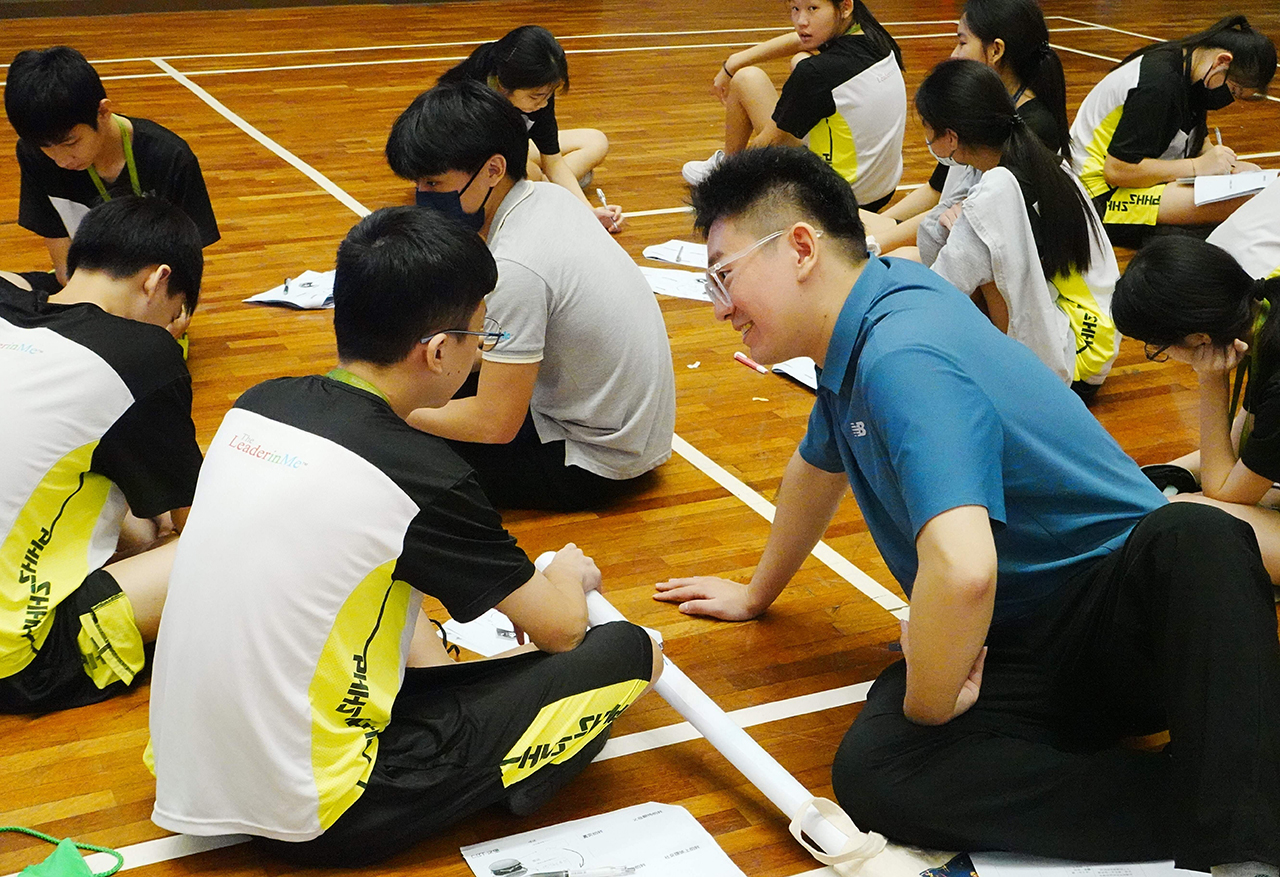
The programme served as a meaningful platform that brought together psychological knowledge, experiential learning, and community engagement, enabling both Pin Hwa High School students and APU Psychology students to learn and grow through shared experiences.
It provided Pin Hwa High School students with opportunities to develop greater self-awareness, strengthen communication skills, and build practical strategies for managing social and emotional challenges.
At the same time, APU Psychology students gained valuable hands-on experience in applying psychological concepts, enhancing their confidence, empathy, and facilitation skills as future mental health practitioners.
Reflecting on the programme’s impact, Mr Jaff shared that experiential learning creates opportunities for individuals to discover, reflect, and grow through meaningful interactions.
“By creating spaces where individuals can learn through play, reflection, and collaboration, we allow them to develop essential life skills, while gaining a deeper understanding of themselves and others.”
Initiatives like this reinforce APU’s commitment to strengthening community partnerships through experiential education, while supporting the development of future proof professionals equipped with essential skills to navigate real-world challenges and contribute positively to society.
News & Happening
Download e-Brochures
Intake Calendar
Want to know more ?
Let’s Connect