Forty-four APU business students stepped beyond the classroom to experience how international and green supply chain principles come together in a smart manufacturing environment, gaining practical perspectives on efficiency, sustainability, technology and the interconnected decisions that keep modern businesses moving.
Image
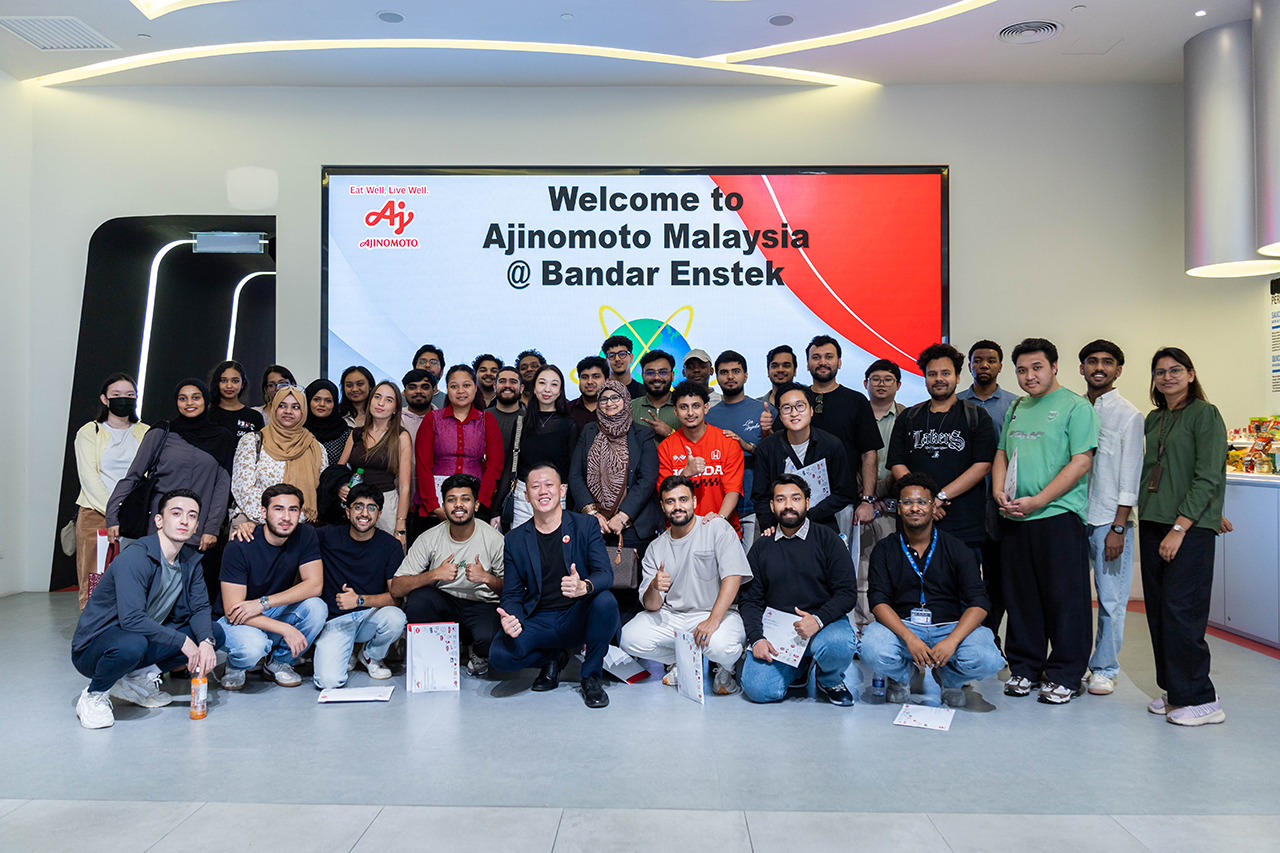
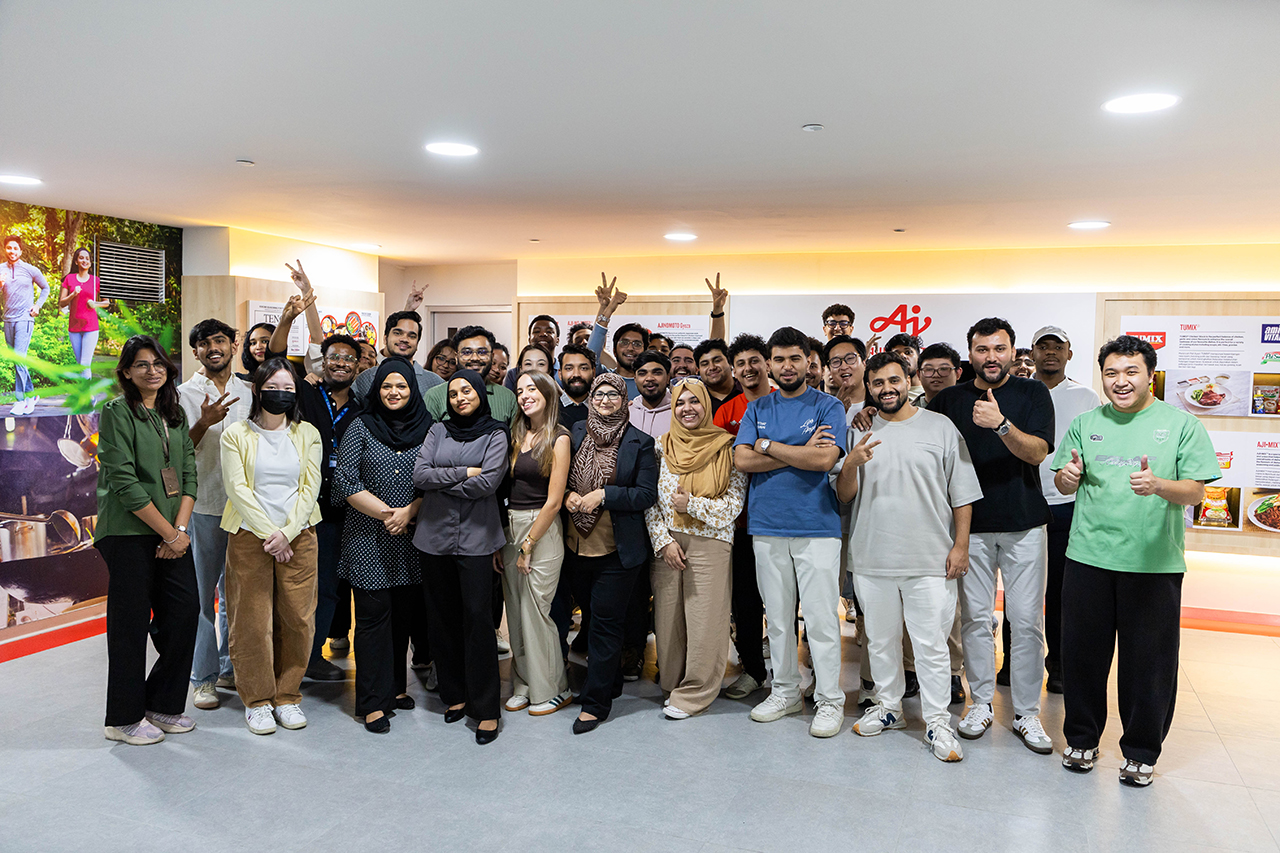
A group of 44 students from the Managing International Supply Chain (MISC) and Green Supply Chain (GSC) modules at the School of Business (SoB), Asia Pacific University of Technology & Innovation (APU), recently visited Ajinomoto (Malaysia) Berhad’s Smart and Eco-Friendly Factory in Bandar Enstek, Negeri Sembilan.
Held on 27 July 2026, the two-and-a-half-hour industrial visit was organised by Ms Nor Nazeranah Omar Din, Programme Leader for BA (Hons) International Business Management (Supply Chain Management) and Module Leader for MISC and GSC.
The visit reflected APU’s emphasis on experiential learning by allowing students to examine how theories discussed in class are applied across real production, logistics and sustainability operations.
Understanding the International Supply Chain
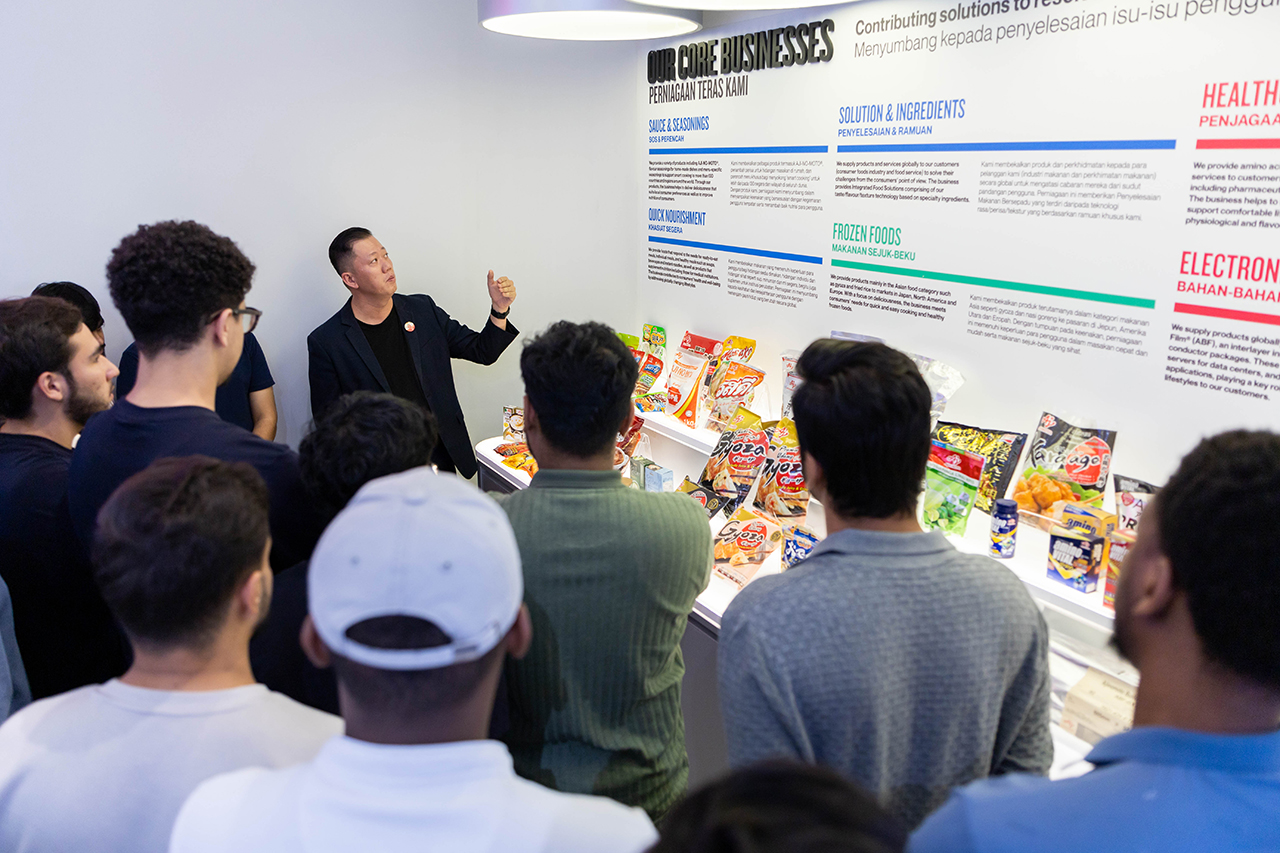
MISC equips students to understand how goods, information and resources move across interconnected markets, requiring careful coordination among procurement, production, inventory, warehousing, logistics and distribution functions.
At Ajinomoto’s modern green factory, students followed this chain in practice. The facility serves as a Global Halal Production and Speciality Ingredients Centre, manufacturing retail consumer goods and industrial food products through advanced digital automation and certified sustainable architecture.
During the guided tour, students observed the production journey from raw material handling and manufacturing to packaging, quality assurance, warehousing and distribution. They also saw how integrated operating systems help maintain consistency, product quality and customer satisfaction.
The experience highlighted how individual supply chain functions cannot operate in isolation. Effective production planning influences inventory requirements; quality management affects customer confidence; and logistics coordination determines whether products reach markets reliably and efficiently.
Seeing Green Supply Chains at Work
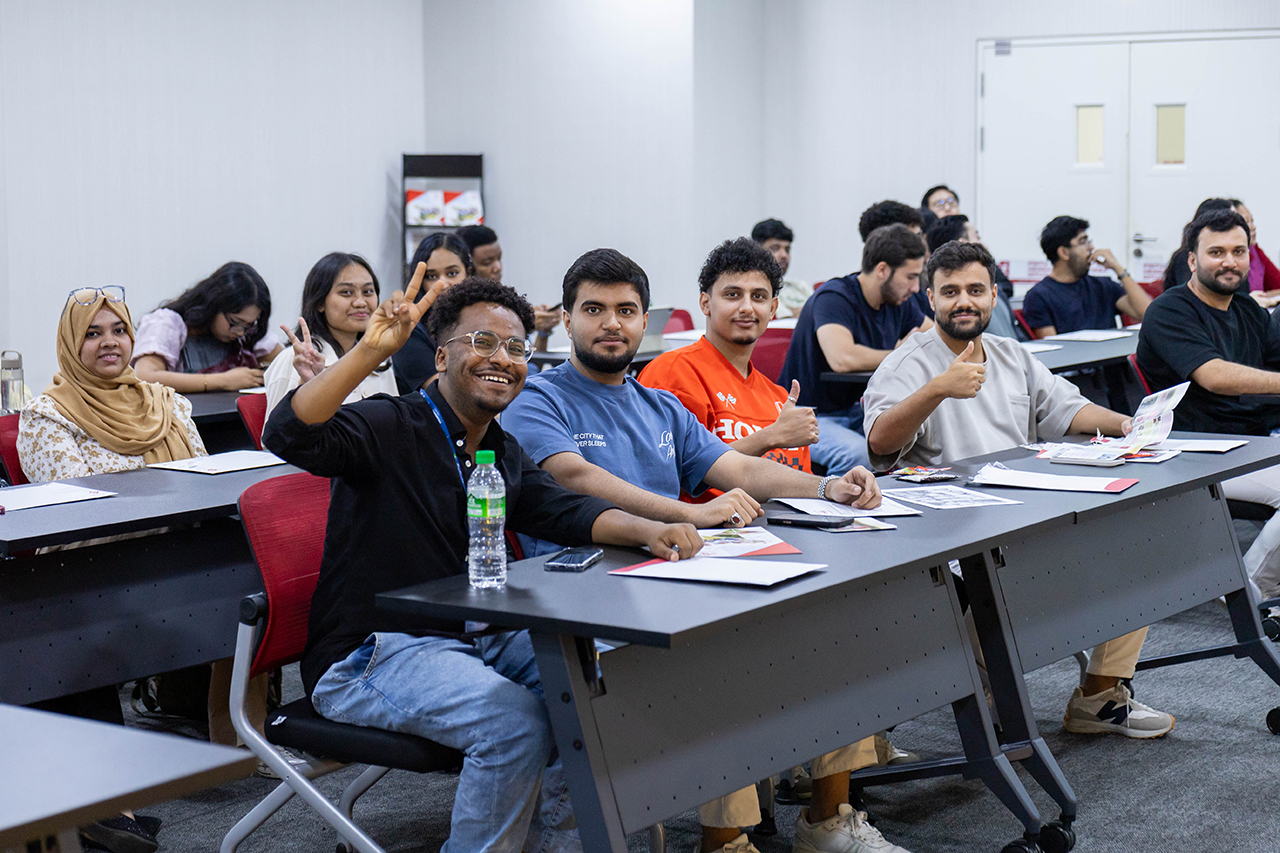
Green Supply Chain studies add another dimension by examining how environmental responsibility can be embedded into sourcing, production, operations and distribution without compromising business performance.
Students saw these principles demonstrated through Ajinomoto’s wastewater treatment facilities, solar power generation systems and resource-efficiency initiatives designed to reduce environmental impact.
These observations gave students a clearer understanding of how organisations balance productivity with responsible resource use, while strengthening long-term resilience and competitiveness.
The factory’s smart manufacturing technologies also demonstrated how digitalised systems can improve visibility, responsiveness and efficiency across supply chains, helping organisations make faster and better-informed operational decisions.
Industry Exposure Builds Professional Perspective
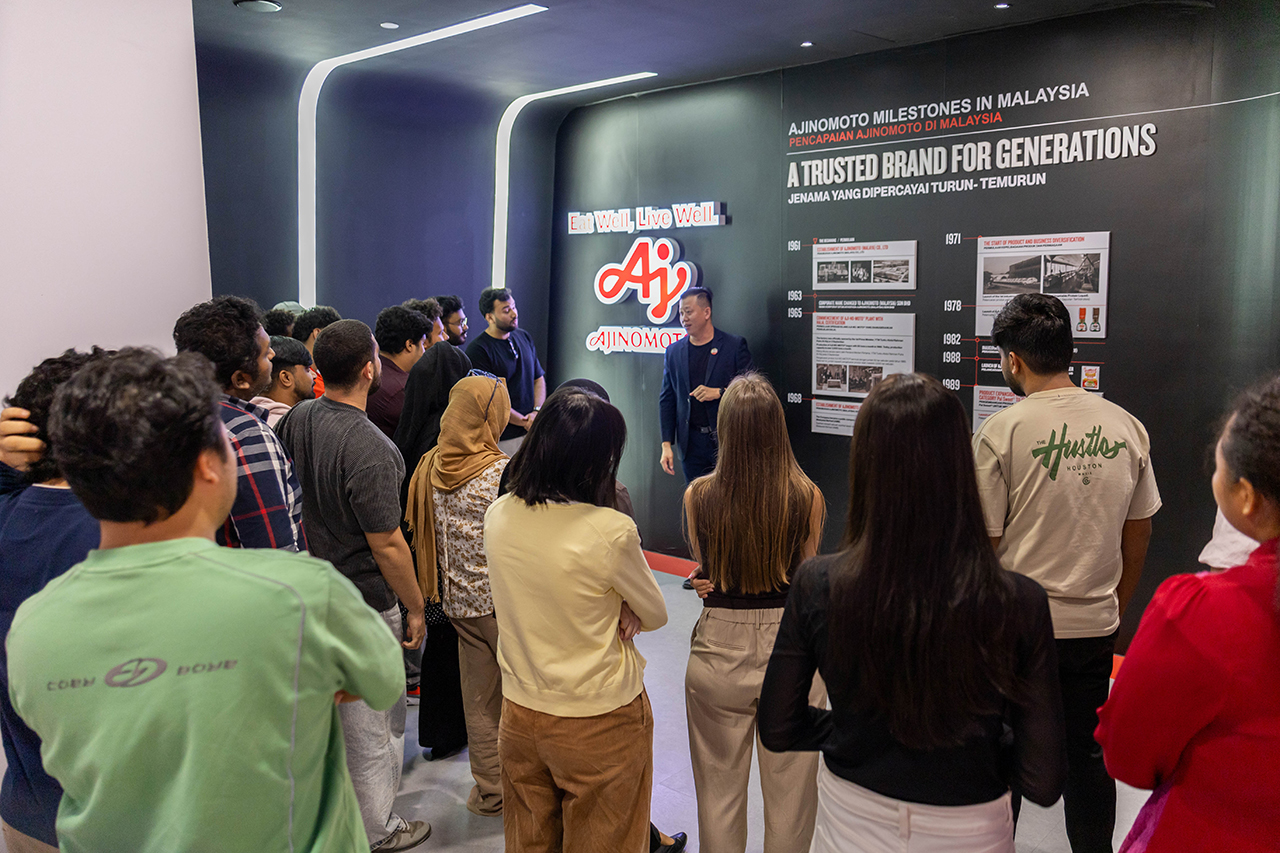
Beyond observing machinery and processes, students gained practical insights into food safety standards, quality control procedures, process optimisation and the challenges of managing efficient, sustainable and future-ready operations.
Direct exposure to industry professionals further helped them appreciate the collaboration required across operational functions and the growing importance of professionals who can connect commercial priorities with sustainability goals.
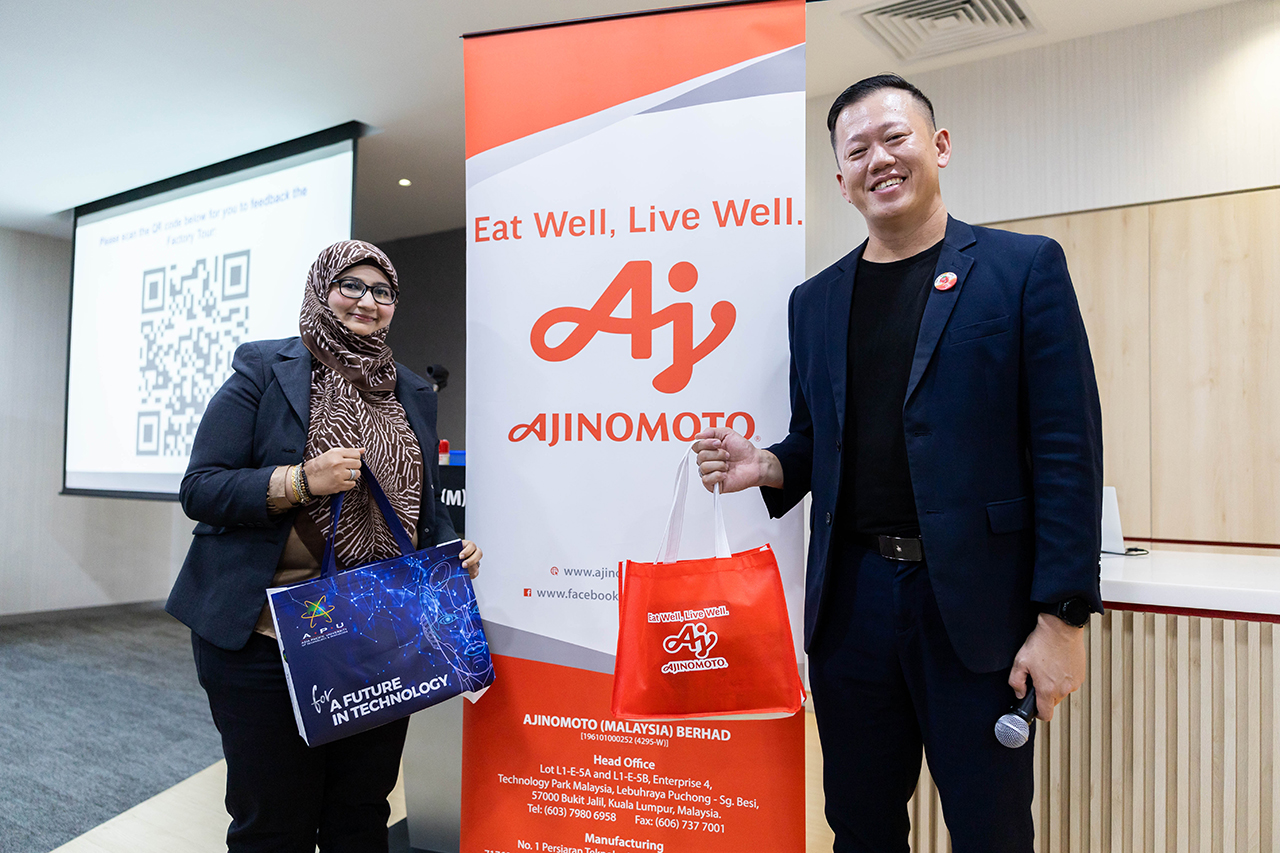
For Ms Nor Nazeranah, organising such exposure also extends the educator’s role beyond delivering module content. By selecting an industry environment where international operations, automation and sustainability converge, she enabled students to test academic frameworks against actual business practices, ask more informed questions, and recognise the competencies expected of supply chain professionals entering an evolving industry.
“By integrating industry-based learning experiences into the curriculum, APU continues to nurture future business leaders who understand the importance of innovation, operational excellence and sustainability in achieving long-term organisational success while contributing positively to society and the environment,” said Professor Dr Kashif Hussain, Senior Head of the School of Business and Global Hospitality and Tourism, who commended the initiative.
The visit reinforced APU’s commitment to developing graduates who are academically competent, industry-aware and environmentally conscious, with the practical perspective needed to contribute meaningfully to an increasingly complex global business landscape.
News & Happening
Download e-Brochures
Intake Calendar
Want to know more ?
Let’s Connect