Image
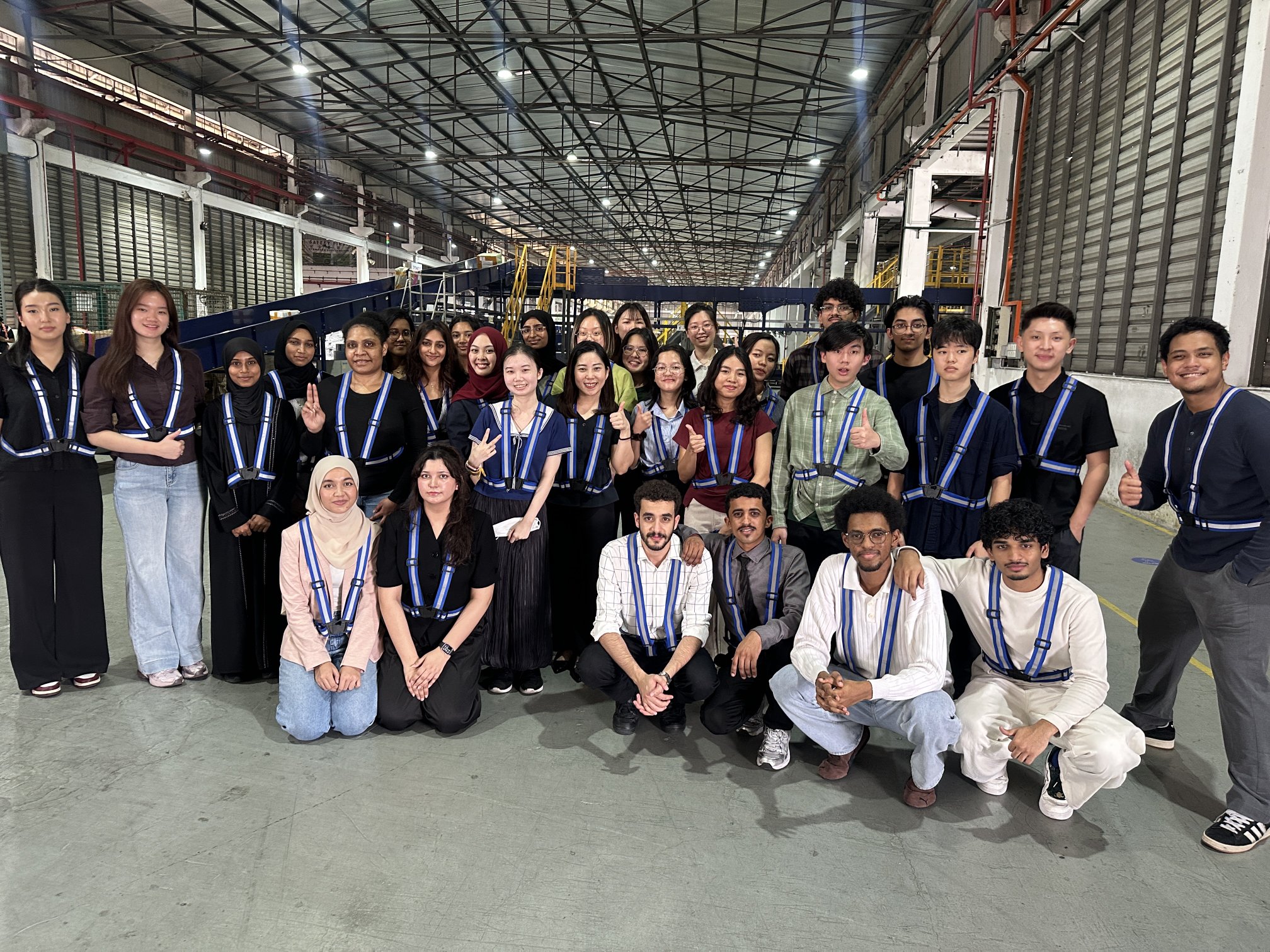
How do management accounting principles translate into everyday business decisions? For 30 students from the School of Accounting and Finance (SoAF) at Asia Pacific University of Technology & Innovation (APU), an industrial visit to GD XChange in Petaling Jaya on 16 October 2026 provided a practical answer.
Led by Dr Lim Ying Ying, Senior Lecturer at SoAF, the visit offered students an opportunity to observe how a logistics business operates and understand the role of accounting and finance in supporting its day-to-day activities.
Understanding the Business Behind Every Delivery
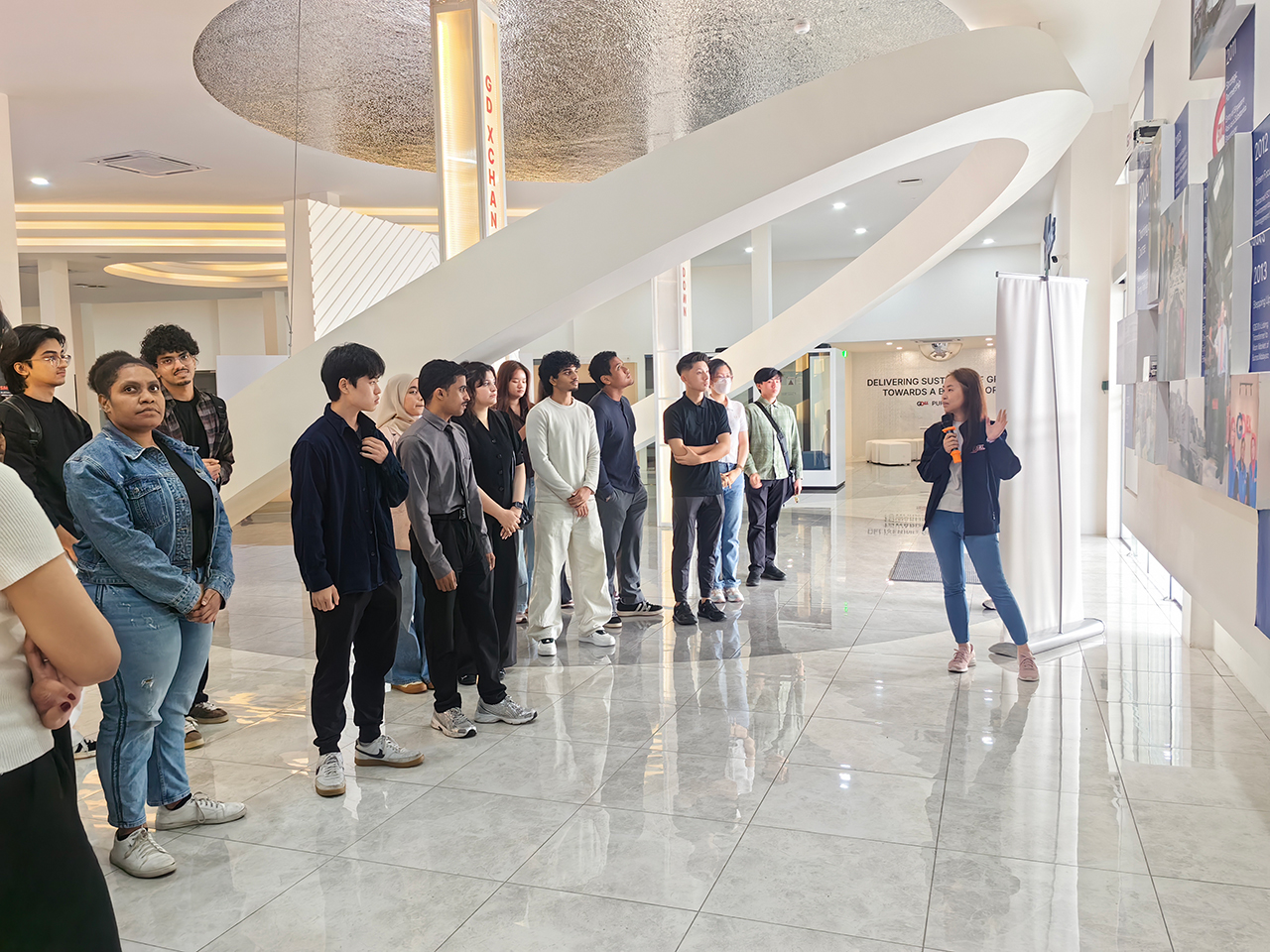
GD XChange, the technology and digital transformation arm of Malaysian logistics group GDEX Berhad, welcomed the students to its facility at PJS 51, Petaling Jaya.
The visit began with a briefing by Mr Wei Leong Chin, Division Head of GD XChange, who introduced the company's history, services and business operations.
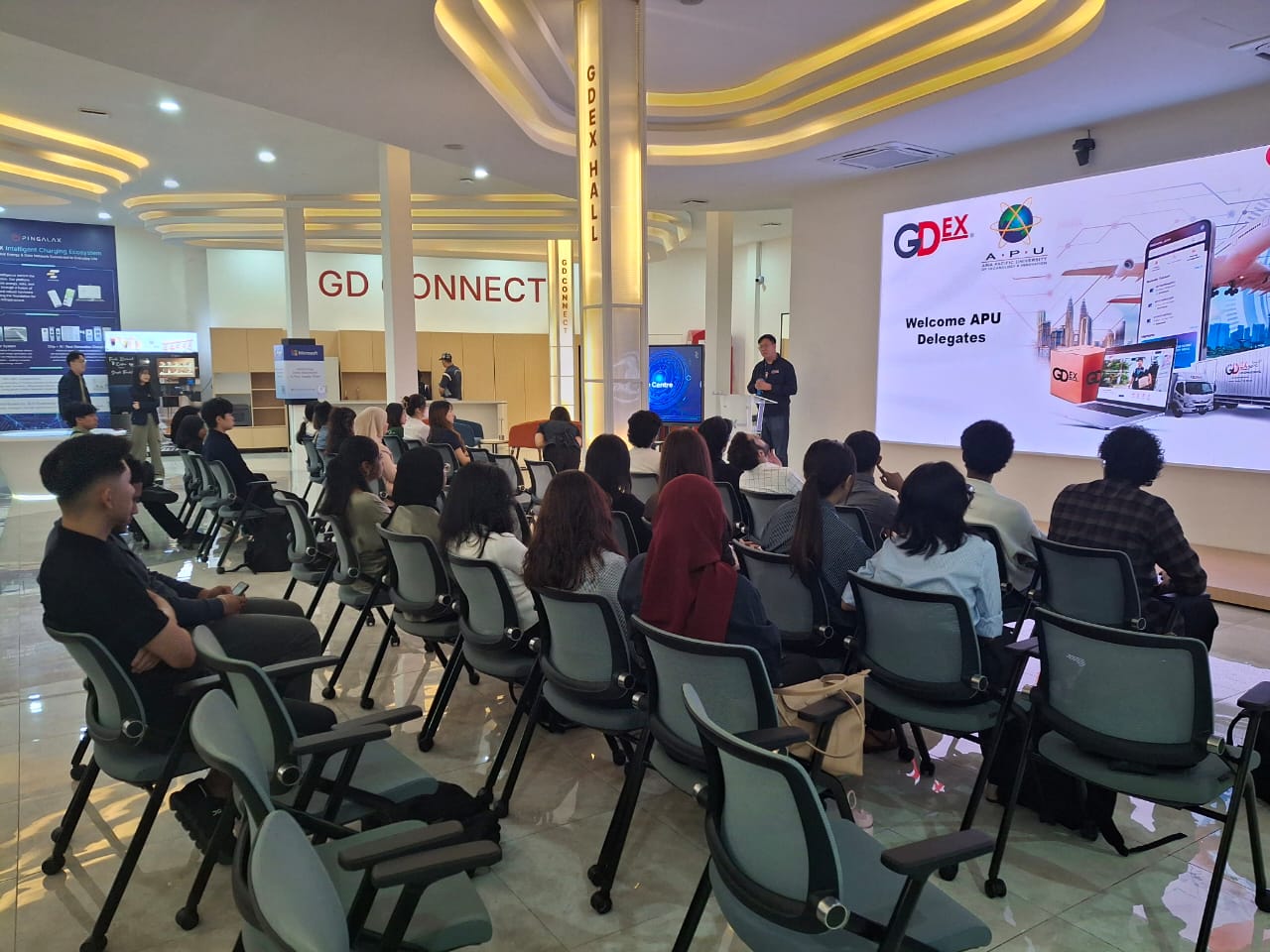
Students were given an overview of GDEX's digital applications, systems and operational processes, helping them understand how technology supports the movement of parcels and the coordination of logistics activities.
For accounting and finance students, this provided useful context for understanding the relationship between business operations and financial management.
Behind every parcel delivery are activities that incur costs, consume resources and require careful coordination. From manpower and transportation to warehouse operations and technology, these activities illustrate why businesses need effective cost management, budgeting and financial planning.
Connecting Management Accounting with Business Decisions
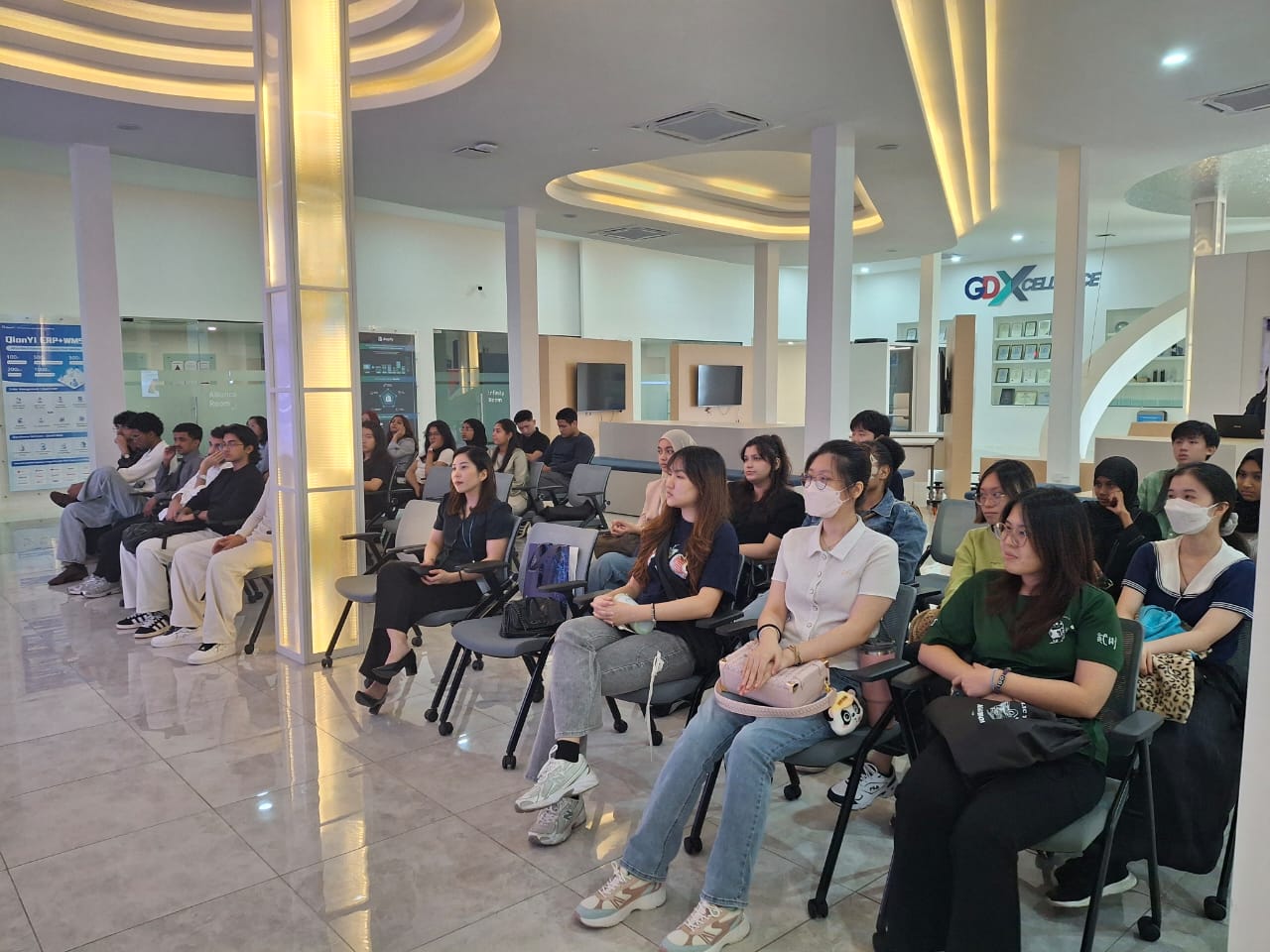
An important learning outcome was understanding how management accounting supports operational decisions.
While financial accounting focuses primarily on recording and reporting financial information, management accounting helps organisations use financial and operational data for internal planning, cost control, performance evaluation and decision-making.
The visit gave students a practical setting in which to relate these concepts to the logistics industry, where operational efficiency and resource utilisation can directly influence business costs.
Students were also introduced to accounting and finance job roles within GDEX, allowing them to appreciate how finance professionals contribute to a business beyond preparing financial statements.
They gained a broader perspective on potential career pathways and the importance of understanding business operations alongside accounting principles.
Seeing Logistics Operations Firsthand
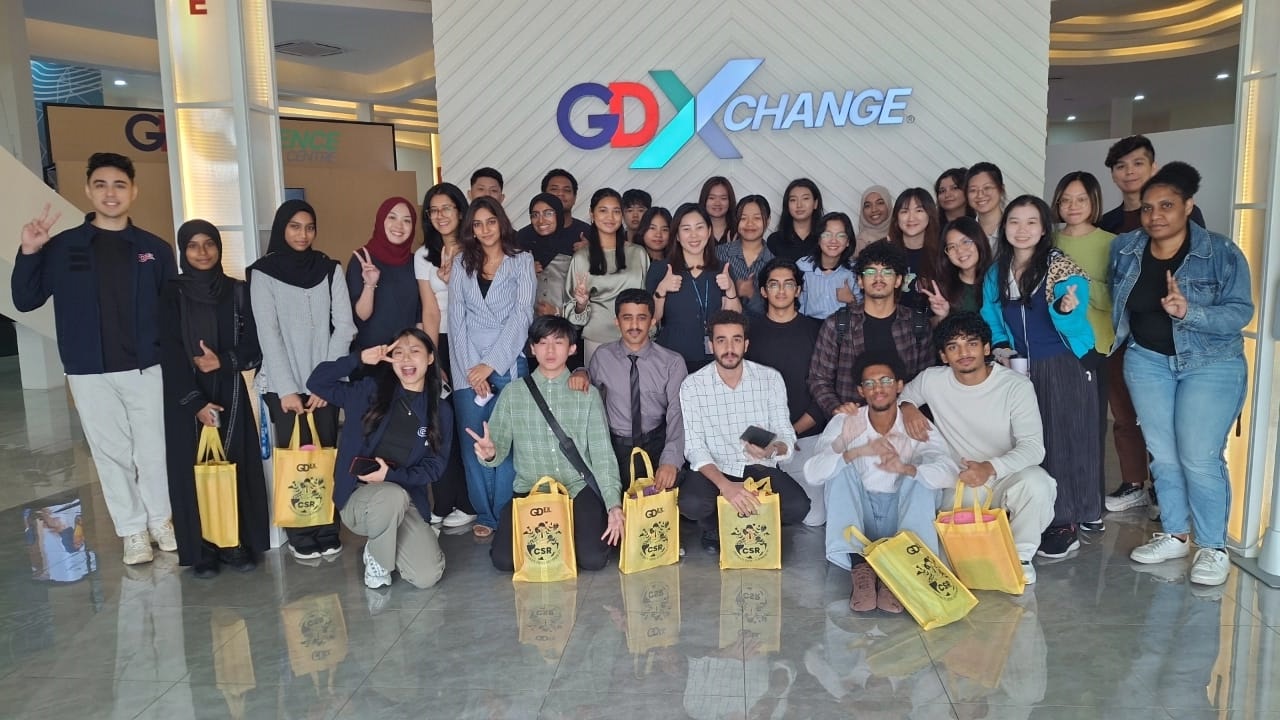
Following the briefing, students toured the GDEX hub to observe the parcel-handling workflow.
The tour enabled them to see how different operational processes work together, putting the earlier explanations into a real-world context.
For Grace Mang Thluai Cin, a Bachelor of Accounting and Finance (Honours) student, the experience demonstrated the practical relevance of her studies.
"The most valuable thing I learned from the visit to GDEX as an accounting student was how accounting is applied in a real business, especially in managing operational costs, tracking expenses, and preparing financial records," she shared.
Her coursemate, Mariyam Mishka Hassan Shimad, was particularly impressed by the warehouse operations, commenting, "The process inside the warehouse itself was very insightful to me!"
Another student, Thin Lay Pyay Oo, appreciated the exposure to a working environment. "It was an informative visit. I got to experience how a real workplace operates," she said.
Learning Beyond Textbooks
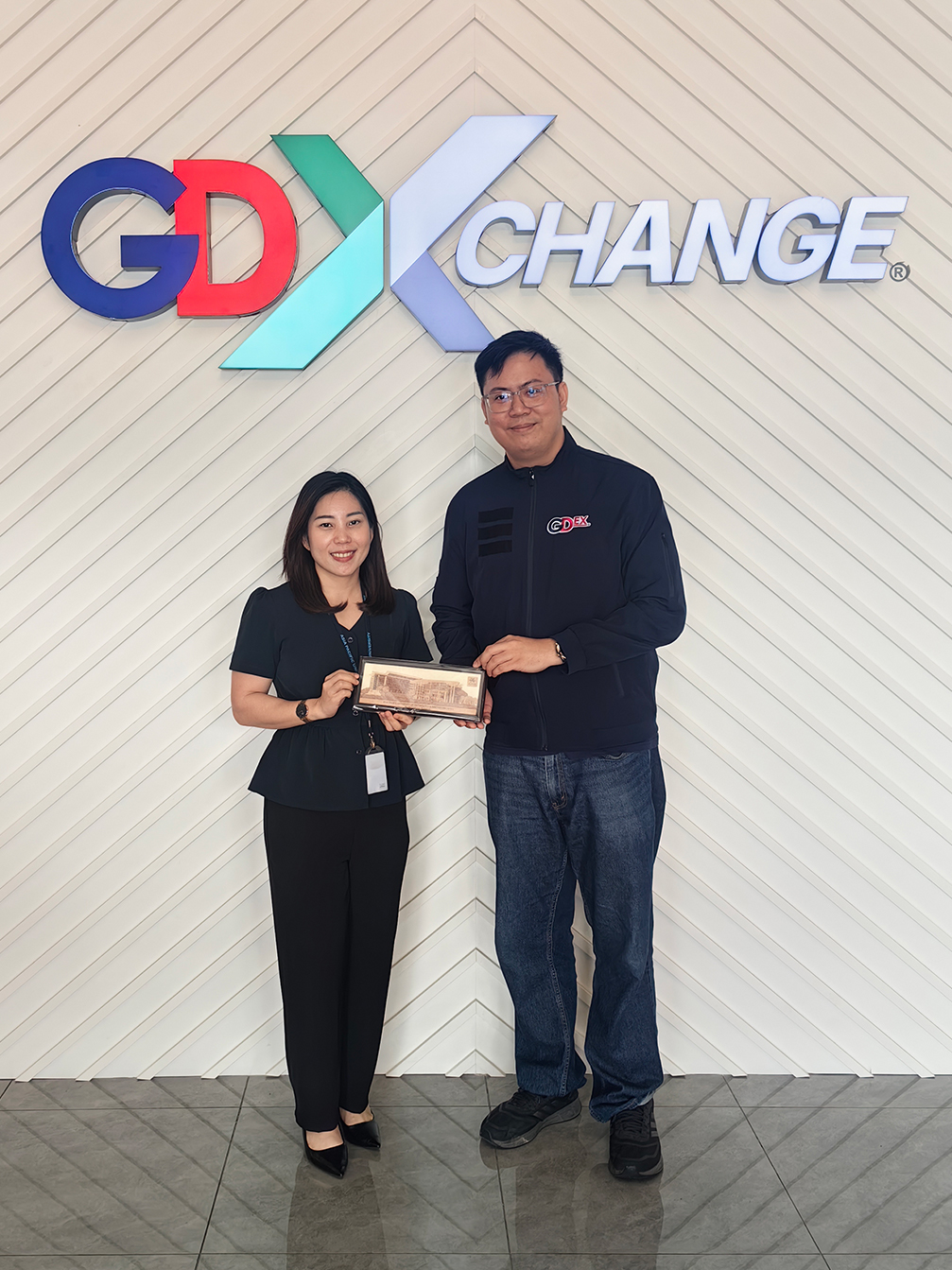
The industrial visit forms part of APU's efforts to complement classroom-based learning with practical industry exposure.
By observing business processes and engaging with industry representatives, students can better understand how accounting and finance knowledge applies across different sectors, including logistics.
Dr Lim Ying Ying reflected on the value of bringing students closer to actual business environments.
"Accounting and finance are not just about numbers, calculations and financial reports. They are also about understanding how businesses operate and how financial information supports everyday decisions. Through industrial visits like this, students can connect the theories they learn in class with actual business practices. Such exposure helps them develop a broader perspective, ask more meaningful questions and prepare for their future careers in the accounting and finance profession," she said.
News & Happening
Download e-Brochures
Intake Calendar
Want to know more ?
Let’s Connect