Eco League 2026 at APU featured 34 student booths showcasing sustainable business ideas alongside sports-themed activities that gave students hands-on experience in entrepreneurship, marketing and customer engagement while Diploma students also presented sustainability posters proposing solutions to global issues, and the event highlighted innovation and creativity in line with the Sustainable Development Goals (SDGs).
Image
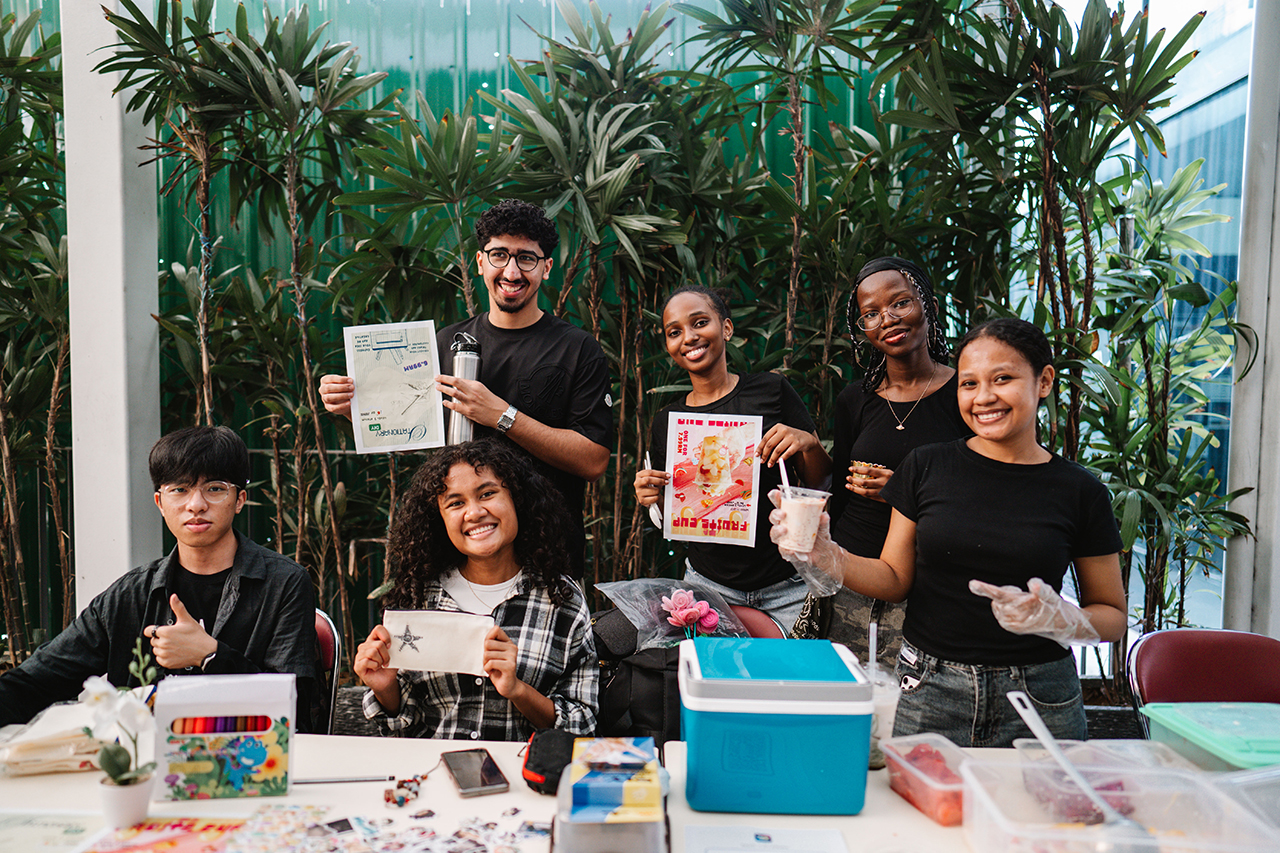
In conjunction with ‘Environmental Month’ and the growing excitement surrounding Football Fever 2026, the Asia Pacific University of Technology & Innovation’s (APU) School of Business (SoB) successfully organised Eco League 2026 Business Assessment, a vibrant entrepreneurship showcase that brought together sustainability, creativity, and sport in an engaging learning environment.
The event featured 34 innovative booths from Foundation students, transforming the campus into a lively marketplace where eco-conscious business ideas were brought to life.
More than a conventional academic assessment, Eco League 2026 served as a practical platform for students to demonstrate entrepreneurial thinking while promoting environmental responsibility through market-driven solutions.
The programme was conducted under the mentorship and coordination of SoB Lecturer, Ms Cynthia Mala Paul Dorairaj, who guided students throughout the planning and execution process.
Designed as an experiential learning initiative, it encouraged students to move beyond theory and develop viable business ventures addressing real environmental challenges.
Working in teams, students conducted market research, developed business models, designed branding strategies, managed finances, and engaged directly with customers in a real business setting.
One of the key highlights was the upcycling of discarded denim materials into fashionable and functional products.
Students transformed waste fabrics into keychains, luggage tags, handbags, pouches, accessories, coasters, and decorative items.
Through bleaching, redesign, and repurposing techniques, they demonstrated how textile waste could be given new life while reducing landfill contributions and promoting circular economy practices.
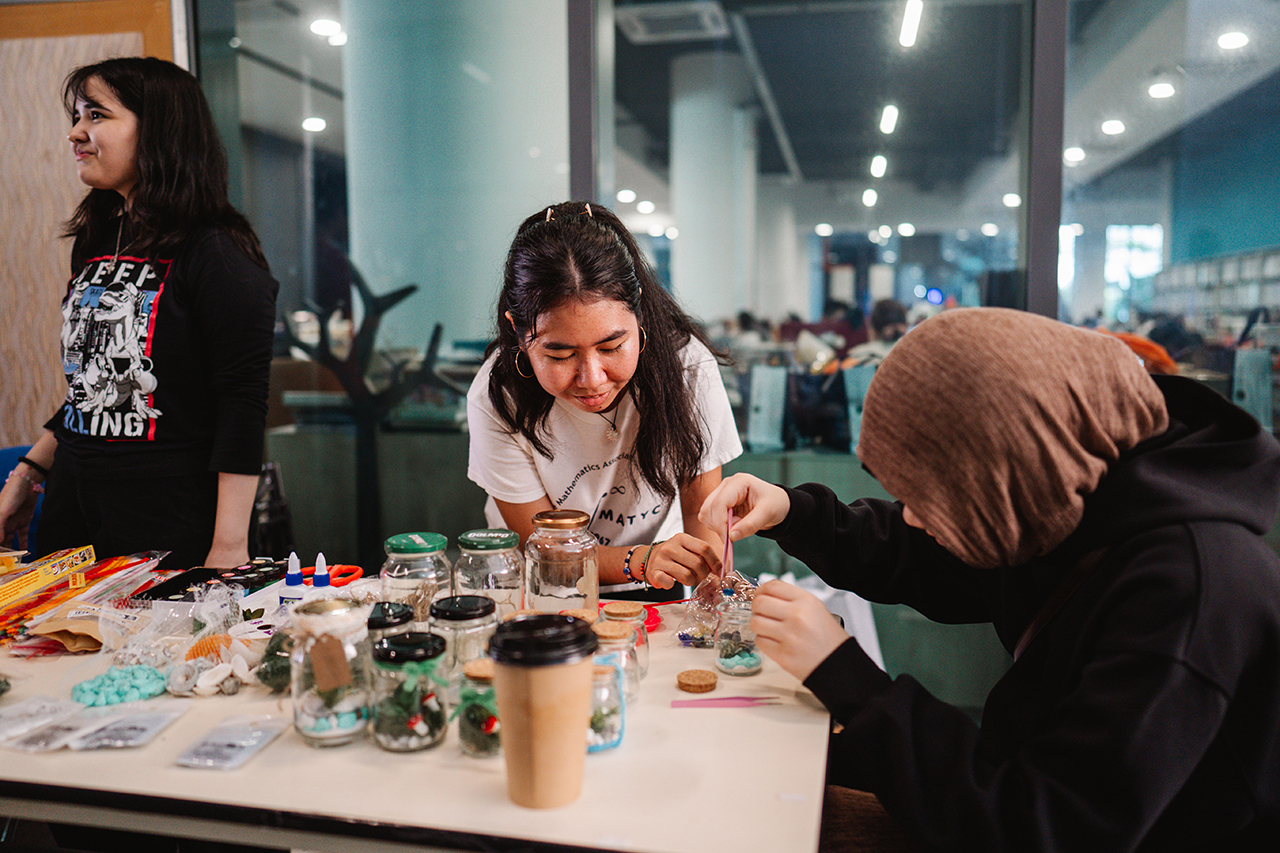
Other ventures included eco-friendly packaging, reusable household products, sustainable lifestyle items, recycled crafts, and environmentally conscious gifts.
These ideas encouraged consumers to adopt more responsible purchasing habits and reduce waste, while showcasing students’ ability to identify market trends and integrate sustainability into practical business solutions.
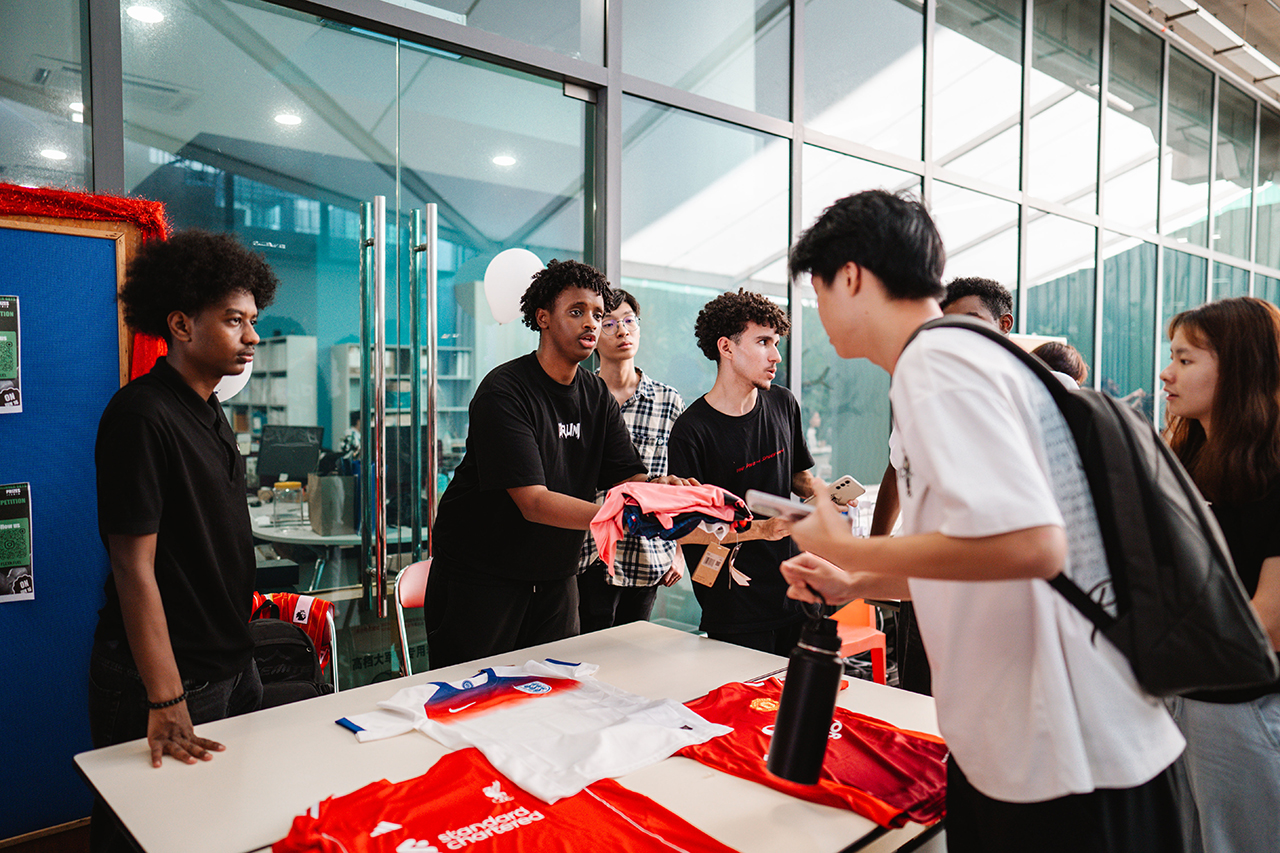
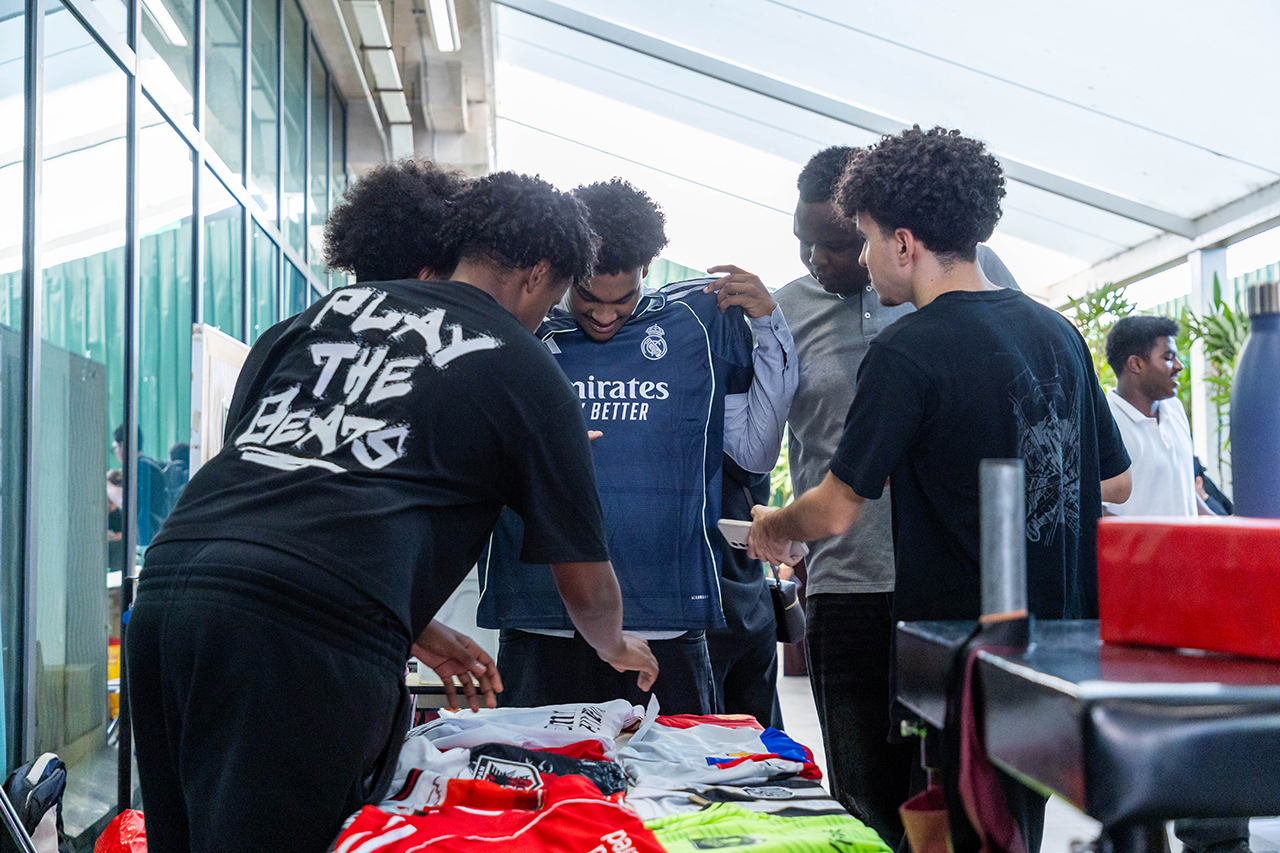
In line with Football Fever 2026, several teams incorporated sports-themed activities into their booths, adding energy and excitement to the event.
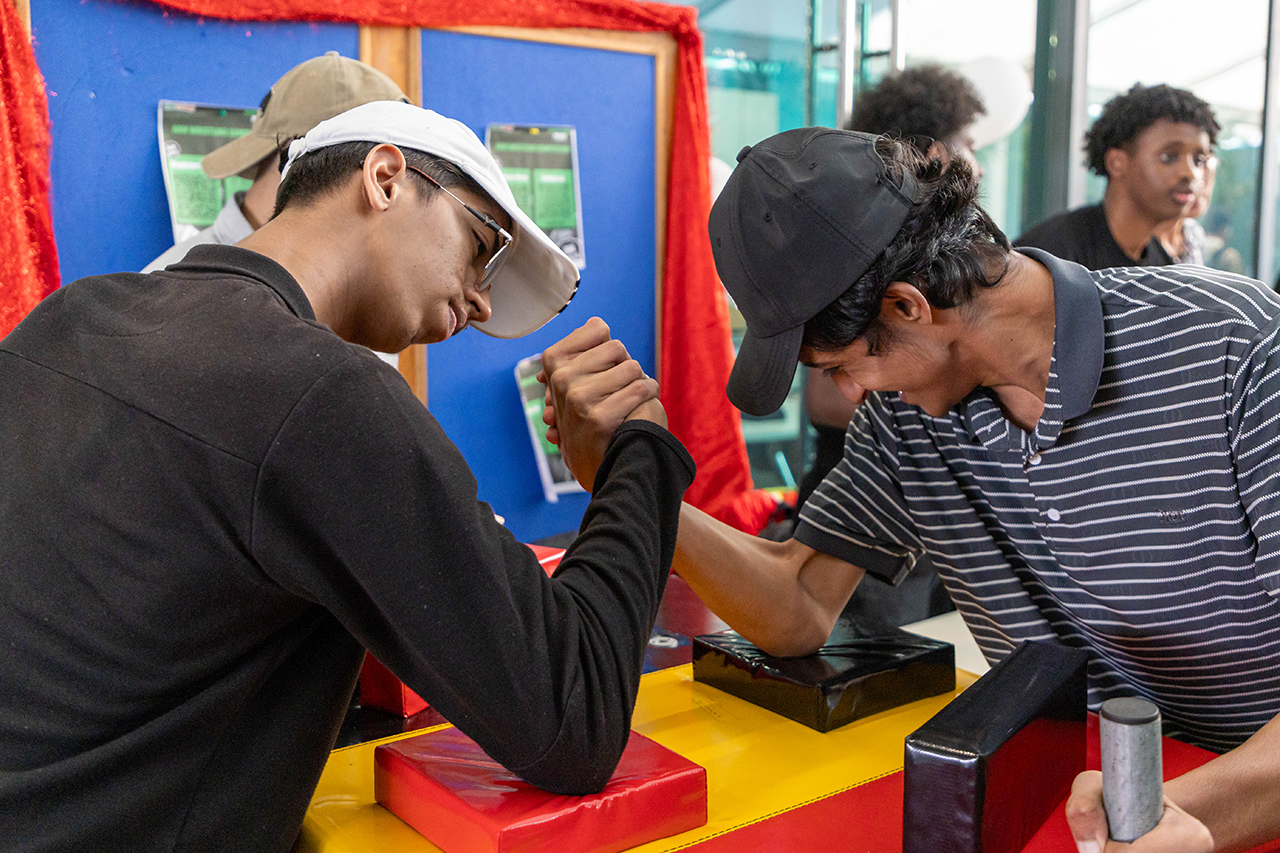
Interactive games such as football skill challenges, basketball shooting contests, and arm-wrestling competitions attracted visitors of all ages.
These activities significantly boosted engagement while allowing students to develop soft skills such as customer interaction, promotion, teamwork, crowd management, and event coordination.
The sporting element created a festival-like atmosphere across campus, reinforcing the connection between active lifestyles, teamwork, and community engagement.
Throughout the assessment, students took full responsibility for managing their business operations.
This immersive experience strengthened their confidence in communication, negotiation, leadership, teamwork, financial literacy, and problem-solving while giving them valuable insight into how sustainable entrepreneurship can address real-world environmental challenges.
Reflecting on the experience, student participant Moad Ramadan F. Shawesh shared that Eco League 2026 provided a true understanding of entrepreneurship in practice.
He noted that instead of only learning theory, students were able to create real products, engage customers, and experience how sustainability can be turned into a successful business model, which strengthened his confidence and entrepreneurial mindset.
Similarly, Hadi Naghman highlighted the environmental impact of the project, explaining that it changed his perspective on waste and sustainability.
He explained that many discarded materials still hold value when combined with creativity and innovation, and that Eco League 2026 inspired students to think differently about solving environmental challenges through entrepreneurship.
Another participant, Bong Wen Jie, emphasised teamwork and collaboration, stating that working together allowed students to combine skills and ideas to develop their business concepts.
From product design to customer engagement, every stage taught lessons in resilience, creativity, and innovation, proving that sustainable businesses can be both meaningful and commercially viable.
The Eco League 2026 Business Assessment reflected SoB’s strong commitment to experiential learning by integrating entrepreneurship, sustainability, creativity, and community engagement.
The programme encouraged students to become forward-thinking individuals capable of identifying opportunities while addressing global environmental challenges.
It also emphasised the importance of balancing economic success with social and environmental responsibility, preparing students to become ethical business leaders.
Beyond the classroom, the event fostered collaboration, innovation, and environmental awareness among students and visitors, demonstrating that entrepreneurship extends beyond profit-making to creating meaningful societal impact.
Through hands-on experience, students contributed towards the United Nations Sustainable Development Goals (SDGs), particularly SDG 8 (Decent Work and Economic Growth), SDG 12 (Responsible Consumption and Production), and SDG 13 (Climate Action).
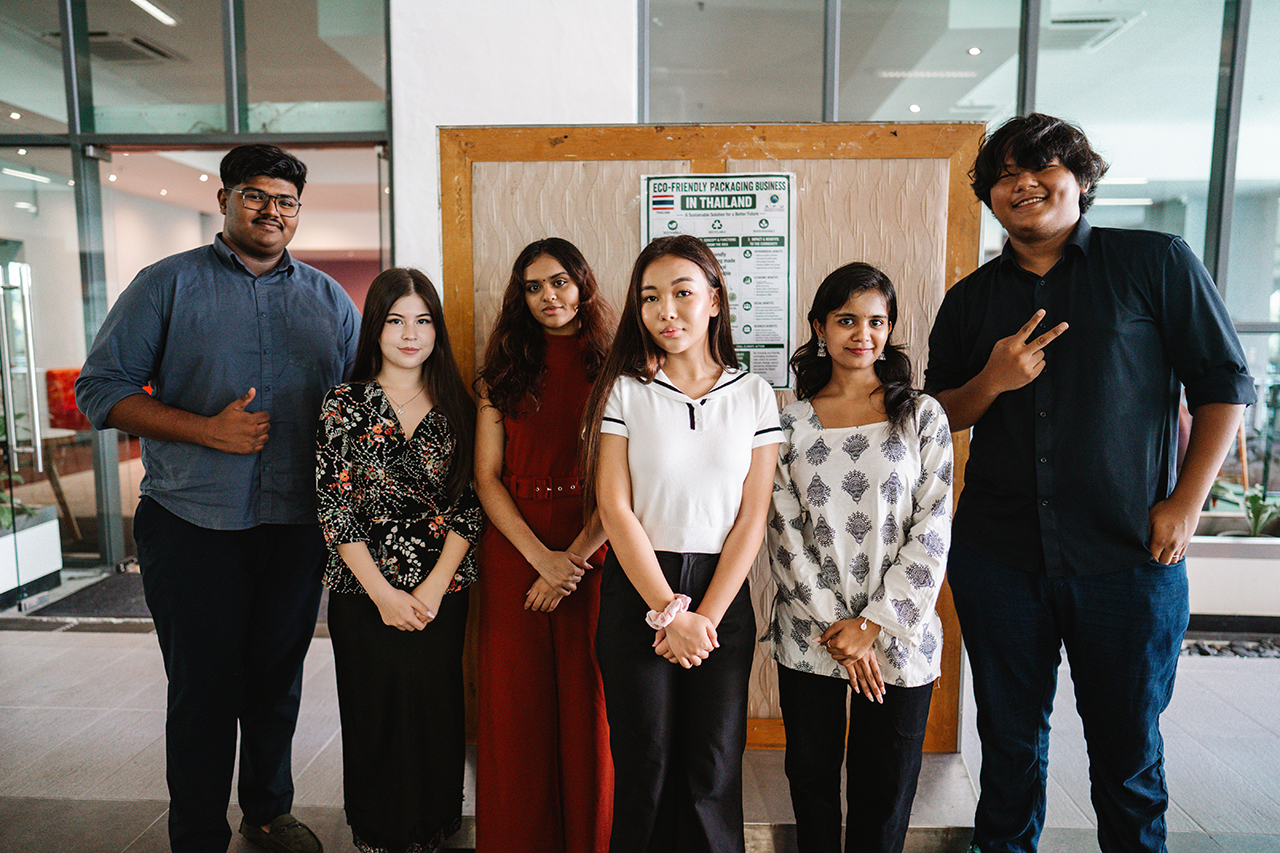
In addition to the booths, Diploma students participated in a sustainability poster presentation where they identified global issues and proposed innovative solutions.
This activity strengthened their research, critical thinking, and problem-solving skills while encouraging them to analyse real-world challenges from a global perspective.
Each team confidently presented their findings, clearly explaining problem statements, proposed solutions, and potential impacts on society, business, and the environment.
The exercise enhanced their communication skills and ability to collaborate and present complex ideas effectively.
Eco League 2026 demonstrated that sustainability and entrepreneurship can be both educational and highly engaging.
The event reaffirmed APU’s commitment to producing graduates who are innovative, socially responsible, environmentally conscious, and equipped to drive positive change in a sustainable global economy.
News & Happening
Download e-Brochures
Intake Calendar
Want to know more ?
Let’s Connect