Image
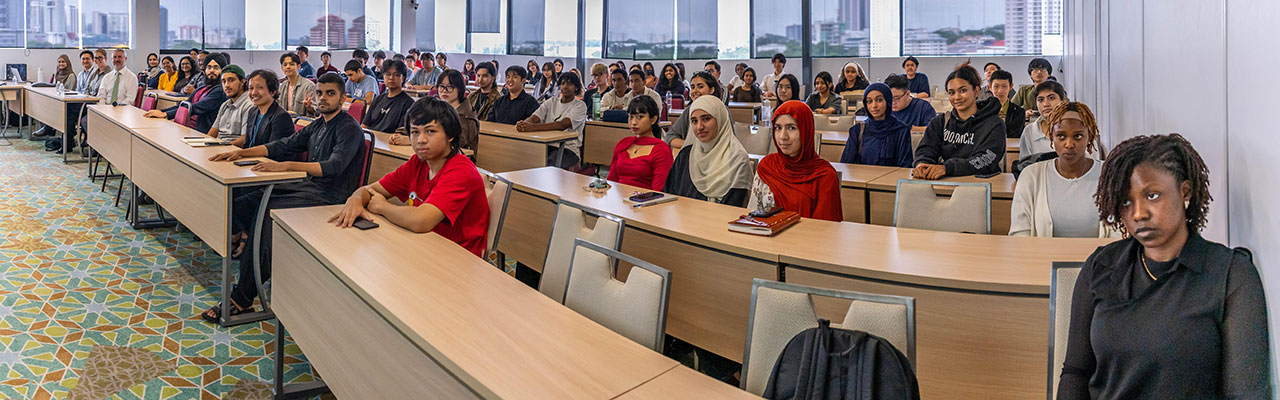
The School of Psychology (SoP) at Asia Pacific University of Technology & Innovation (APU) recently hosted a guest lecture titled “Games, Connection, and Inclusion: Exploring the State of Play through a Cyberpsychology Lens,” featuring Prof Andrew J Campbell, Chair and Head of the Cyberpsychology Research Group at the University of Sydney (USYD), and Dr Emma van der Schyff, Postdoctoral Research Fellow in the Acquired Brain Injury Communication Lab at USYD.
Led by Mr Jaff Choong Gian Yong (Lecturer, SoP at APU), the guest lecture was attended by students from the Psychology and Computing programmes alongside academic staff; providing a valuable platform for exploring the evolving relationship between gaming, technology, and psychological wellbeing, aligning with Sustainable Development Goal 3, 4, and 10 (SDG 3, SDG 4, and SDG 10).


Prof Andrew and Dr Emma’s expertise offered students valuable international perspectives on how digital environments shape human behaviour, particularly in relation to wellbeing, social interaction, and inclusion within online and gaming communities.
Exploring Gaming, Digital Wellbeing, and Inclusive Technology
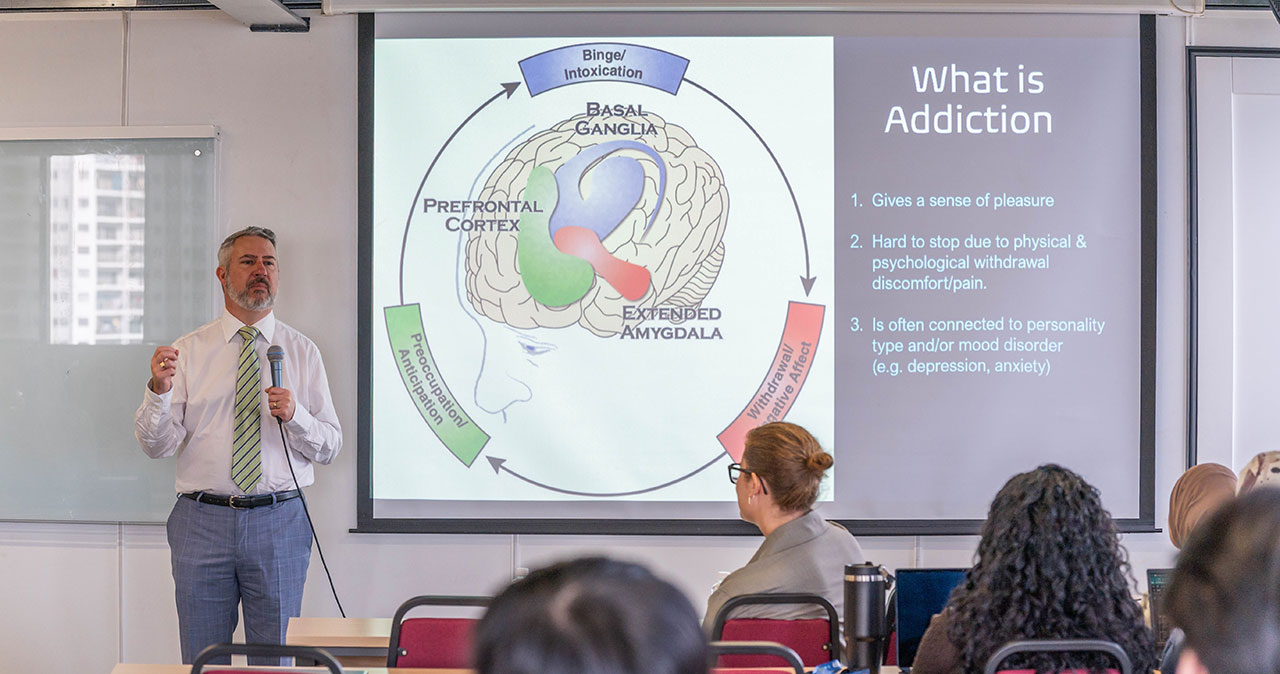
Throughout the session, Prof Andrew and Dr Emma presented contemporary perspectives on cyberpsychology, digital mental health, and gaming, emphasising the role of digital games as spaces for social connection, identity formation, community engagement, and psychological wellbeing.
Participants were guided to critically consider both the benefits and challenges of gaming in today’s society, with discussions addressing issues such as gaming disorder, online relationships, accessibility in gaming environments, and the importance of cultivating safe and inclusive digital communities.
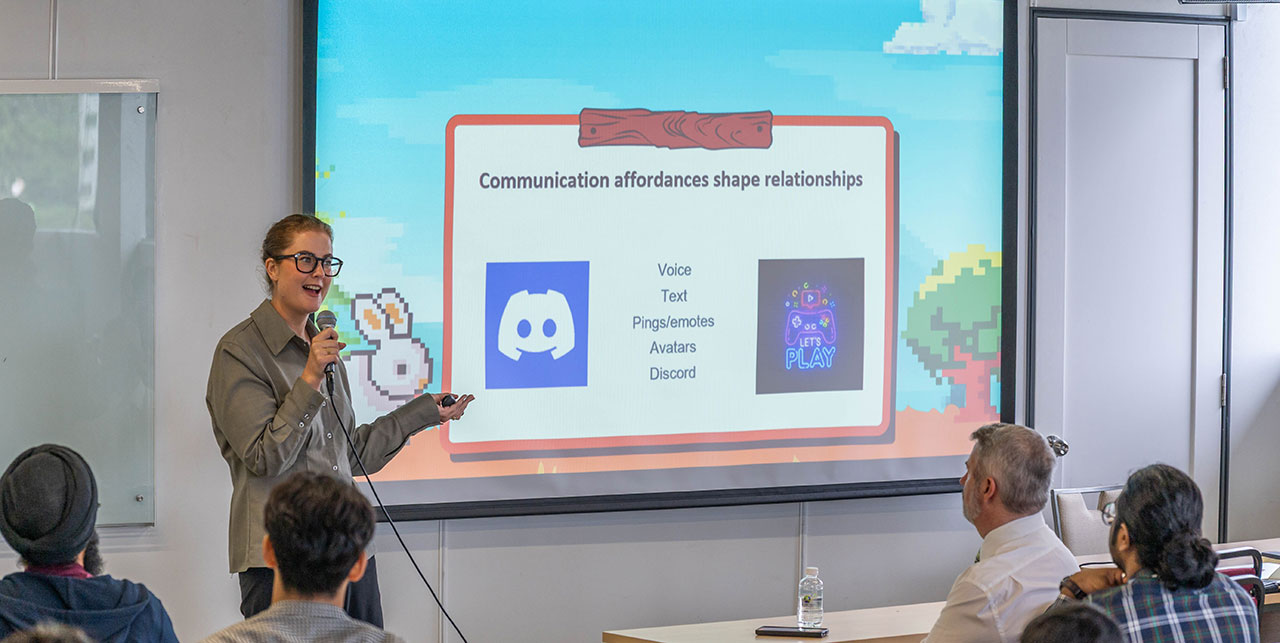
The session further highlighted how cyberpsychology research enhances understanding of human behaviour in an increasingly connected world, while underscoring the importance of developing technologies that are inclusive, accessible, and centred on human needs.
In addition, the session encouraged interdisciplinary learning and collaboration by demonstrating how psychological principles can inform technology design, and how technological innovation can, in turn, support mental health, communication, and social connectedness.
These discussions reinforced the importance of adopting a human-centred approach to digital innovation and encouraged participants to critically reflect on the interconnected relationship between psychology, technology, and contemporary digital society.
Student Perspectives
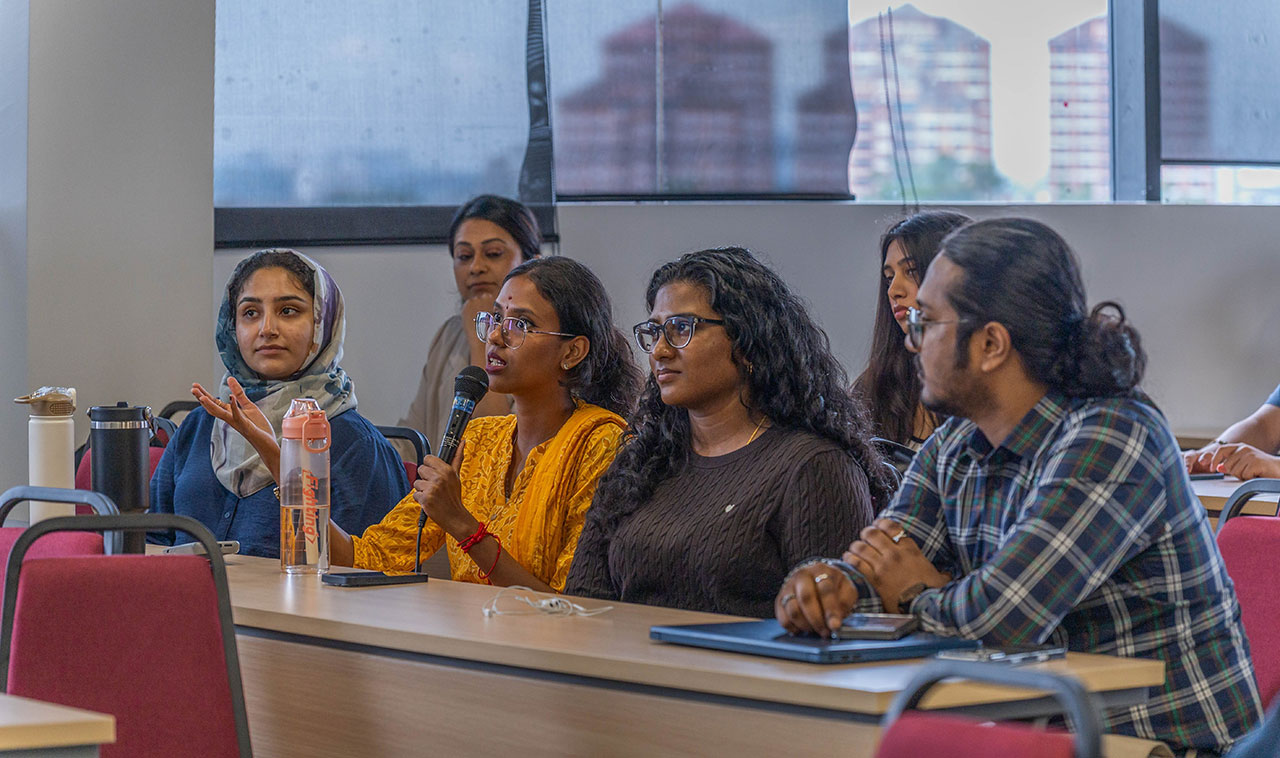
- Salman Sami Munim: “I found the guest lecture highly engaging, as it reinforced my interest in mental health, communication, and emerging areas within psychology, while providing valuable insights into the role of cyberpsychology in understanding human behaviour in an increasingly connected world.”
- Yuki Yagi: “I appreciated how the guest lecture encouraged critical thinking by presenting multiple perspectives on gaming, allowing me to better understand the complexities of digital experiences and their influence on individuals and society.”
Integrating Global Perspectives in Cyberpsychology Education
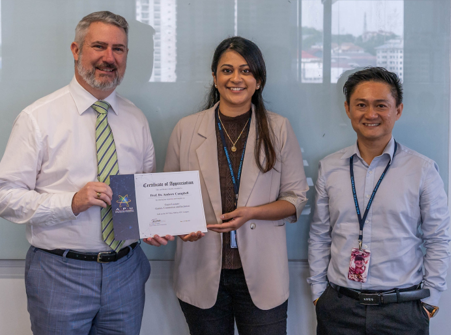
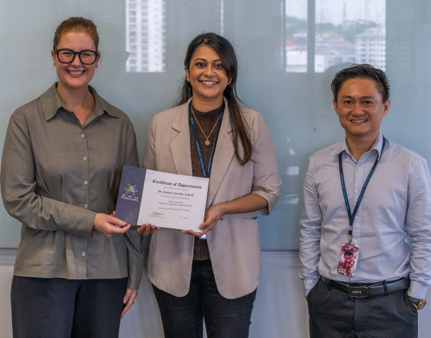
Mr Jaff highlighted that the guest lecture provided participants with a valuable opportunity to engage with internationally recognised experts and gain exposure to contemporary developments in cyberpsychology research.
“By drawing on global perspectives and evidence-based insights, the session enhanced participants’ understanding of how digital technologies influence human behaviour, social interaction, wellbeing, and inclusion in an increasingly connected world.”
Ms Vinorra Shaker (Head, SoP at APU) further emphasised the significance of exposing individuals to emerging issues at the intersection of psychology and technology, noting that the session encouraged participants to critically examine both the opportunities and challenges presented by digital environments, particularly within gaming and online communities.
“Through meaningful dialogue and interdisciplinary engagement, the session demonstrated the value of integrating international expertise into higher education, enabling participants to broaden their perspectives and develop a deeper appreciation of the evolving relationship between psychology, technology, and digital society.”
News & Happening
Download e-Brochures
Intake Calendar
Want to know more ?
Let’s Connect