Image
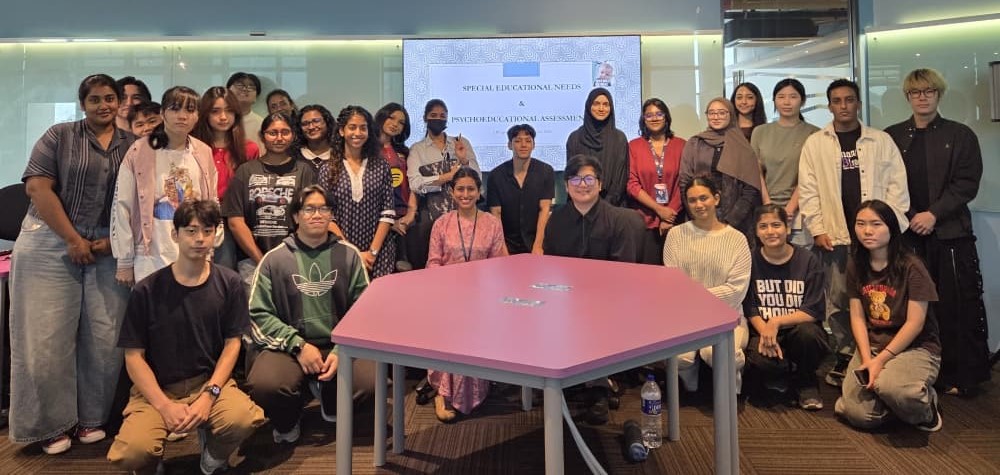
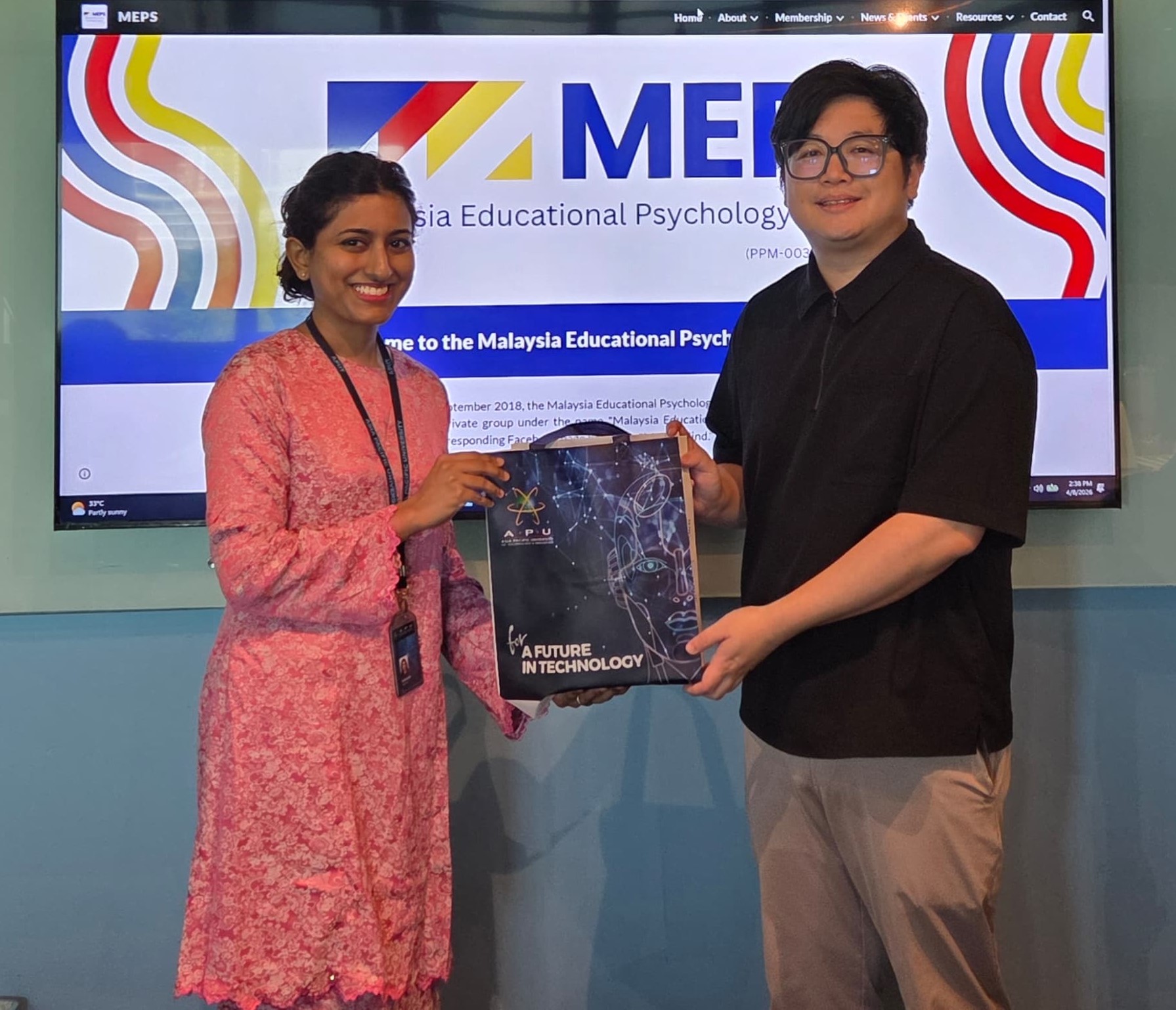
As part of the Educational Psychology module, the School of Psychology (SoP) at Asia Pacific University of Technology & Innovation (APU) recently organised a guest lecture on special educational needs and psychoeducational assessments, featuring Mr Khai Teow, Educational Psychologist and President of Malaysia Educational Psychology Society.
Led by Ms Subashini Ganesan (Lecturer, SoP at APU), the guest lecture provided Psychology students with valuable insights into the field of special educational needs, while connecting theoretical knowledge with practical approaches used in psychological assessment and educational support.
Drawing on his professional expertise and practical experience, Mr Khai introduced students to key concepts surrounding special educational needs, with a focus on Autism Spectrum Disorder (ASD), Attention Deficit Hyperactivity Disorder (ADHD), and the role of psychoeducational assessments in understanding individual needs.
Looking Beyond Diagnostic Labels
The session began with an exploration of ASD and ADHD, where Mr Khai discussed their prevalence and the ways evolving definitions and diagnostic criteria have contributed to a broader understanding of these conditions.
Students were introduced to the DSM-5 framework, gaining an understanding of how established diagnostic guidelines support psychological assessment and diagnosis.
The discussion also emphasised the importance of taking into account an individual’s unique strengths, needs, and circumstances in supporting their educational and developmental needs.
Through these insights, students developed a greater appreciation of how psychological knowledge can contribute to more inclusive educational practices and support strategies.
Understanding the Role of Psychoeducational Assessments
Building on the earlier discussion, students then explored the role of psychoeducational assessments in identifying individual strengths and areas requiring further support.
Mr Khai explained that assessments extend beyond diagnosis, serving as an important foundation for therapy, educational planning, and the development of individualised support strategies.
Students were introduced to standardised assessment tools:
- Wechsler Intelligence Scales
- Vineland Adaptive Behavior Scales
- Gilliam Autism Rating Scale
By exploring these assessment tools, students gained insight into how psychologists gather and interpret information to better understand an individual’s cognitive abilities, adaptive behaviours, and developmental needs.
Connecting Theory with Practical Experience
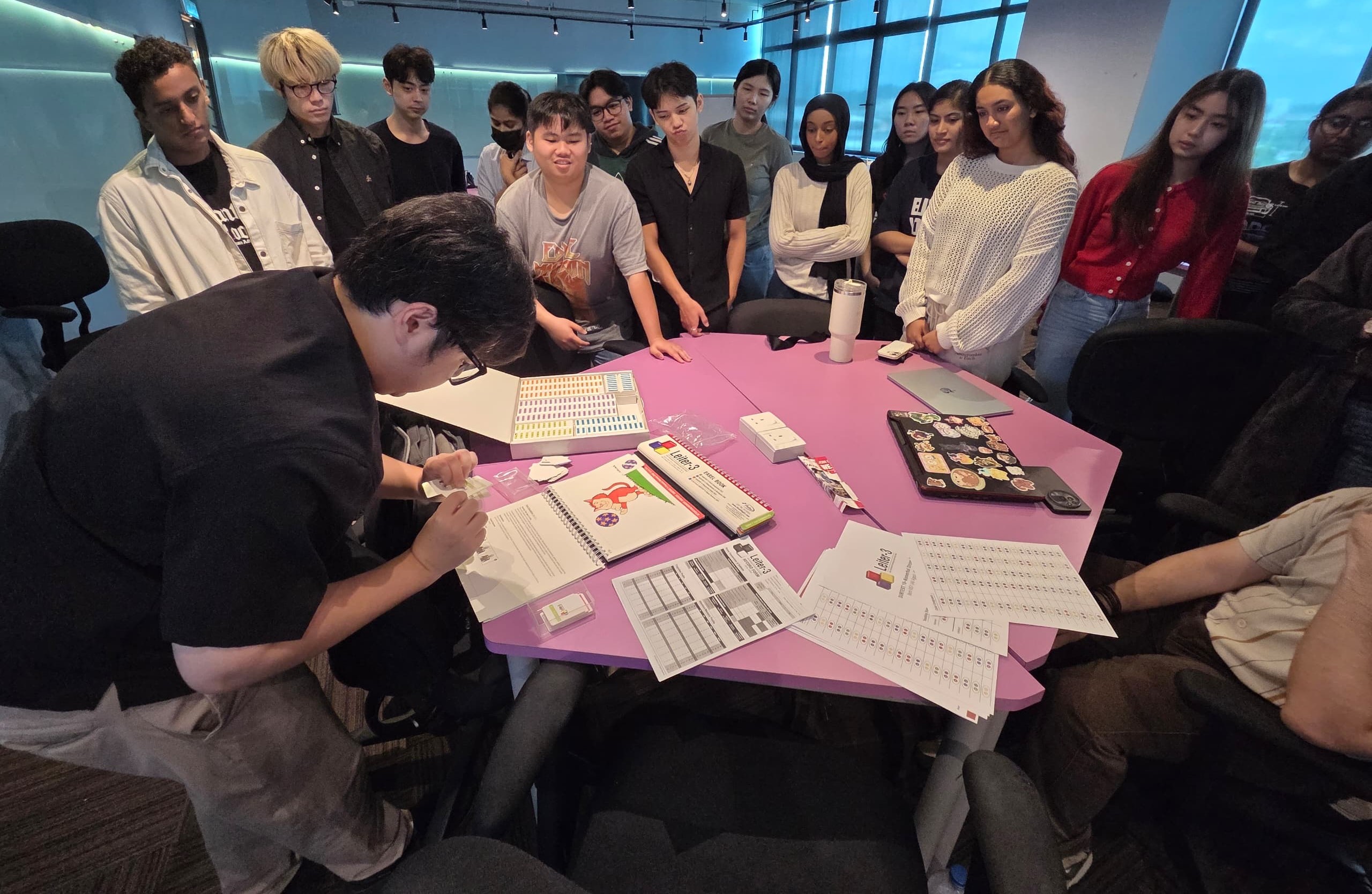
Putting the concepts learnt throughout the session into practice, students further had the opportunity to engage directly with sample assessment materials.
By examining assessment materials, they gained a clearer understanding of how psychological assessments are conducted and how the information gathered can contribute to more informed support and intervention.
The interactive approach also encouraged students to engage with the subject matter more actively; making the learning experience both meaningful and enjoyable.
Student Perspectives
A few perspective from students:
- Ashwathy Sathish: “I found the guest lecture incredibly informative, as it deepened my understanding of special education and the complexities of psychoeducational assessments, which will guide me as a future psychology graduate.”
- Akshara Mutateesa: “The guest lecture provided me valuable insights into the importance of applying appropriate approaches in supporting individuals, while the opportunity to explore a real assessment made the learning experience engaging, and brought the concepts to life.”
- Hani Omar Ali Al-Rammah: “The guest lecture provided me insights into how psychologists carefully evaluate and support individuals, while deepening my understanding of the field and giving me knowledge that will be beneficial for my future career.”
- Yuki Yagi: “Through the guest lecture, i gained a deeper appreciation of how individuals experience daily life, while developing greater empathy and awareness of the importance of understanding and supporting diverse needs.”
Applying Psychological Knowledge to Inclusive Education
Overall, the guest lecture demonstrated how psychological knowledge and psychoeducational assessments can contribute to a more comprehensive understanding of individual learning and developmental needs.
Through expert insights, practical examples, and hands-on engagement with assessment materials, students strengthened their understanding of ASD, ADHD, and psychological assessments; reinforcing the importance of psychological knowledge in contributing to more inclusive educational environments, where assessment is used not simply to identify challenges, but to recognise strengths and support individuals in reaching their potential.
News & Happening
Download e-Brochures
Intake Calendar
Want to know more ?
Let’s Connect