Image
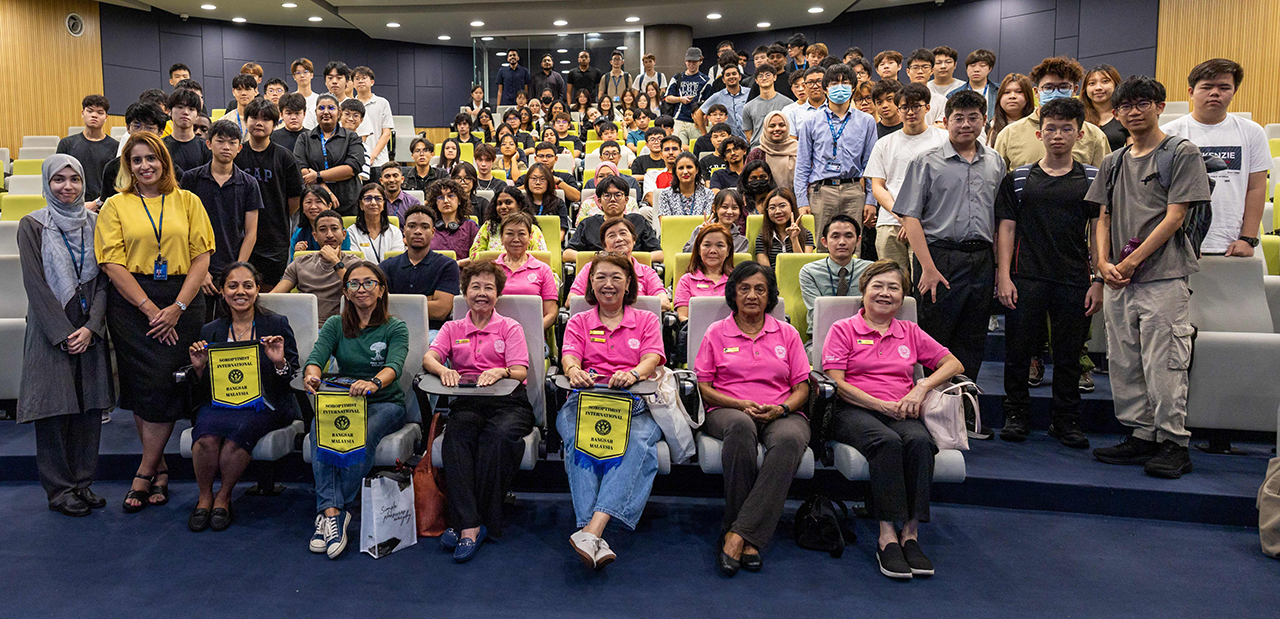
The School of Foundation (SoF) at Asia Pacific University of Technology & Innovation, in collaboration with Soroptimist International Club of Bangsar, officially launched the first phase of the Sustainable Eco Action through Campus and Community initiative, under the theme “From Awareness to Action.”
The initiative is designed to cultivate environmental awareness, while empowering students and communities to adopt sustainable practices and take meaningful action towards building a more environmentally responsible and sustainable future, aligning with Sustainable Development Goal 4, 11, 12, 13, and 17 (SDG 4, SDG 11, SDG 12, SDG 13, and SDG 17).
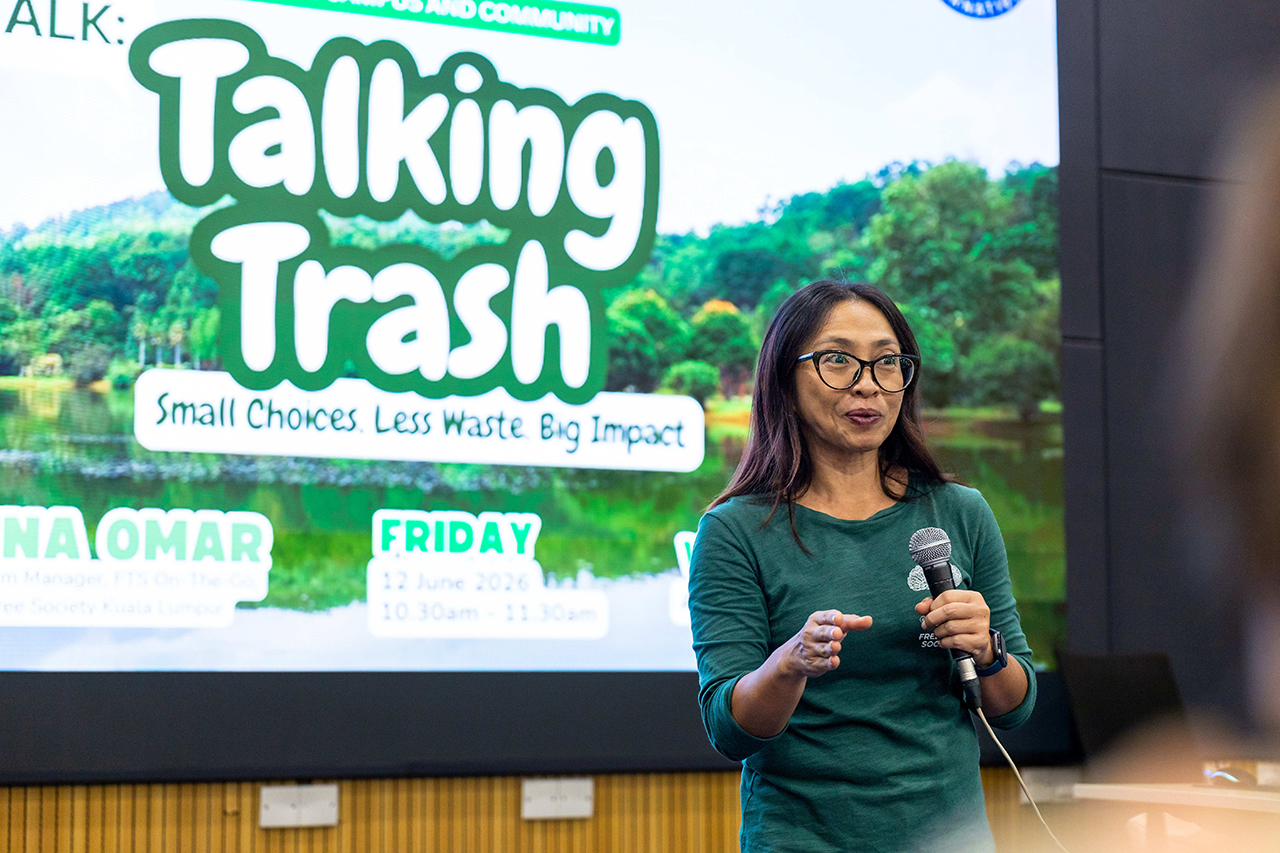
To kickstart the initiative, an environmental awareness talk titled “Talking Trash” was held on 12th June 2026, featuring Ms Rina Omar, Environmental Advocate representing Free Tree Society.
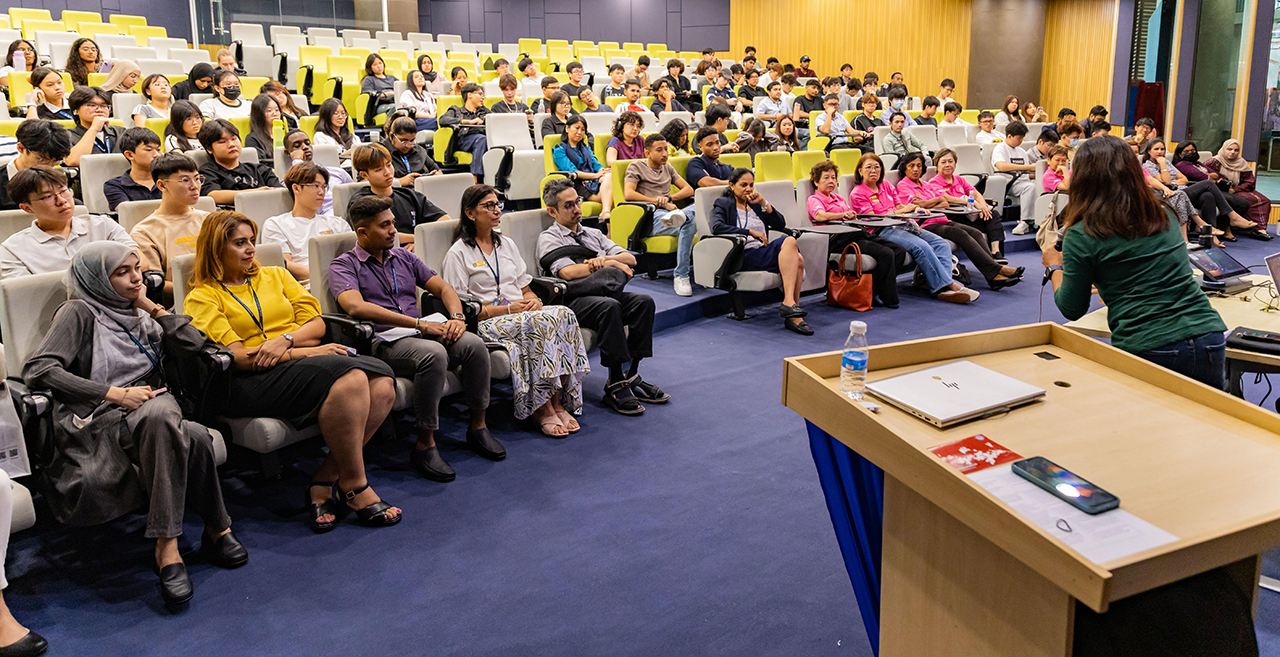
Led by Ms Gurdip Kaur (Senior Lecturer, SoF at APU), the talk brought together students, staff, and members of Soroptimist International Club of Bangsar, reflecting a shared commitment to environmental sustainability, community engagement, and responsible citizenship.
First Segment: Raising Awareness on Malaysia’s Waste Management Challenges
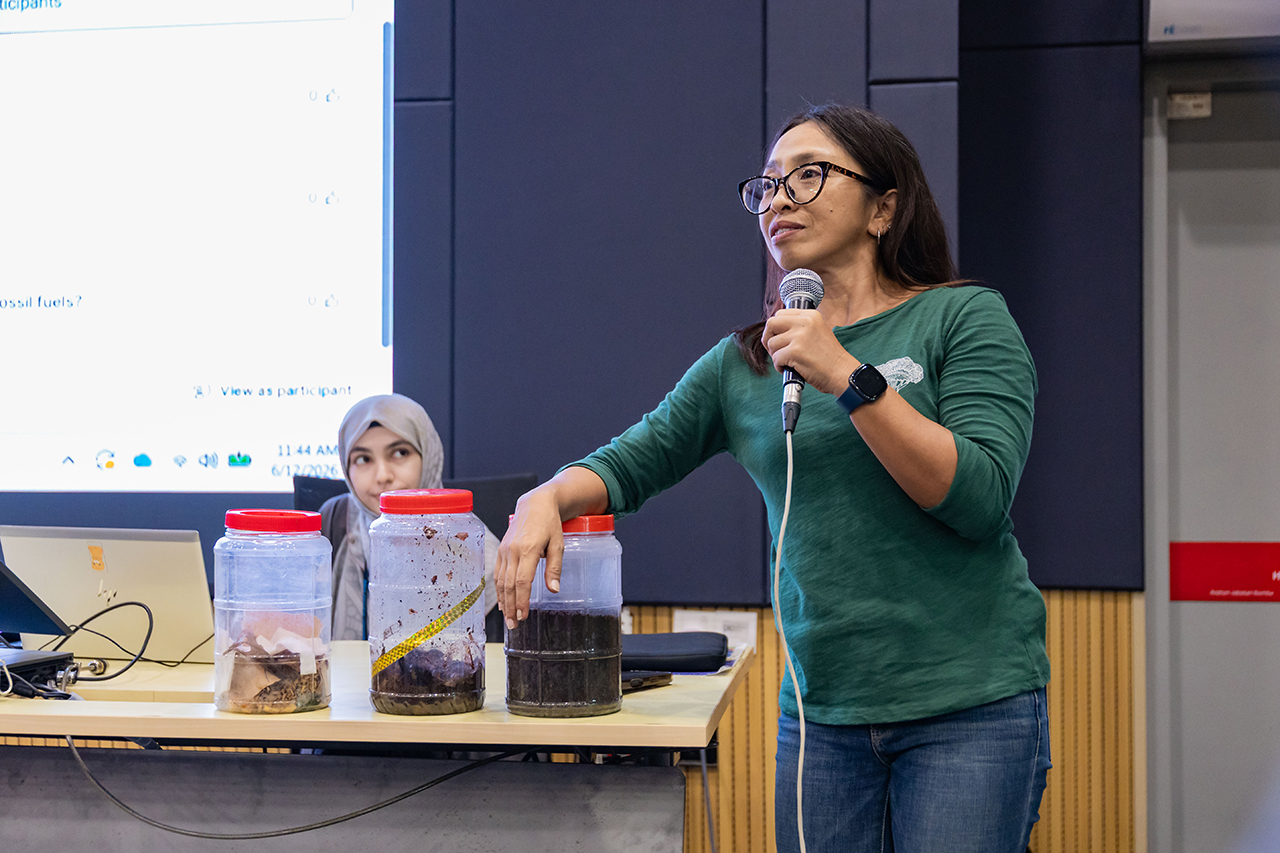
In the first segment of the talk, Ms Rina highlighted the increasing waste management challenges facing Malaysia, drawing attention to the growing volume of waste generated and the environmental implications associated with current consumption patterns.
The discussion also emphasised the urgent need for individuals and communities to adopt more environmentally responsible practices in response to these challenges.
Participants gained valuable insights into the country’s waste generation trends and explored how everyday consumption habits contribute to environmental issues; encouraging them to reflect on their own lifestyles while recognising that meaningful environmental change begins with individual responsibility.
Second Segment: Understanding the Six Principles of Sustainable Waste Management
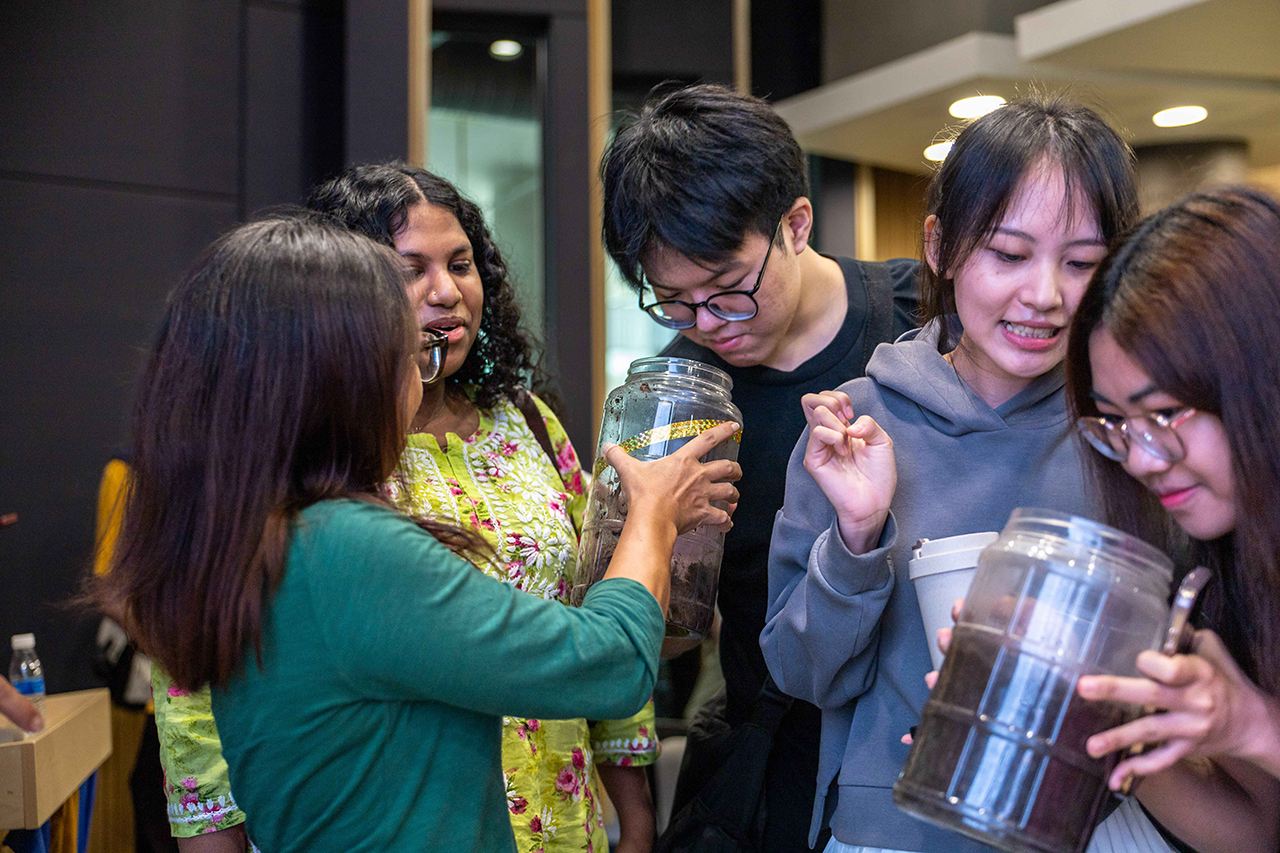
A key highlight of the talk was the introduction of the waste management hierarchy, comprising the six principles of refuse, reduce, reuse, recycle, repurpose, and rot.
Rather than focusing solely on recycling, the second segment of the talk demonstrated how each principle plays an essential role in minimising waste and conserving natural resources.
Participants learned practical ways to incorporate these principles into their daily lives, from refusing unnecessary single-use items and reducing consumption to creatively repurposing materials and composting organic waste; reinforcing that sustainability is achieved through conscious choices made consistently over time.
Third Segment: Transforming Awareness into Meaningful Action
Through real-world examples, interactive discussions, and practical solutions, the final segment of the talk illustrated how environmental responsibility begins with education and awareness.
Participants were encouraged to view sustainability as an everyday practice, recognising that even small individual actions can collectively generate a significant positive impact on communities and the environment; fostering greater appreciation for the role that people can play in driving positive environmental change.
Setting the Foundation for Sustainable Action through Awareness
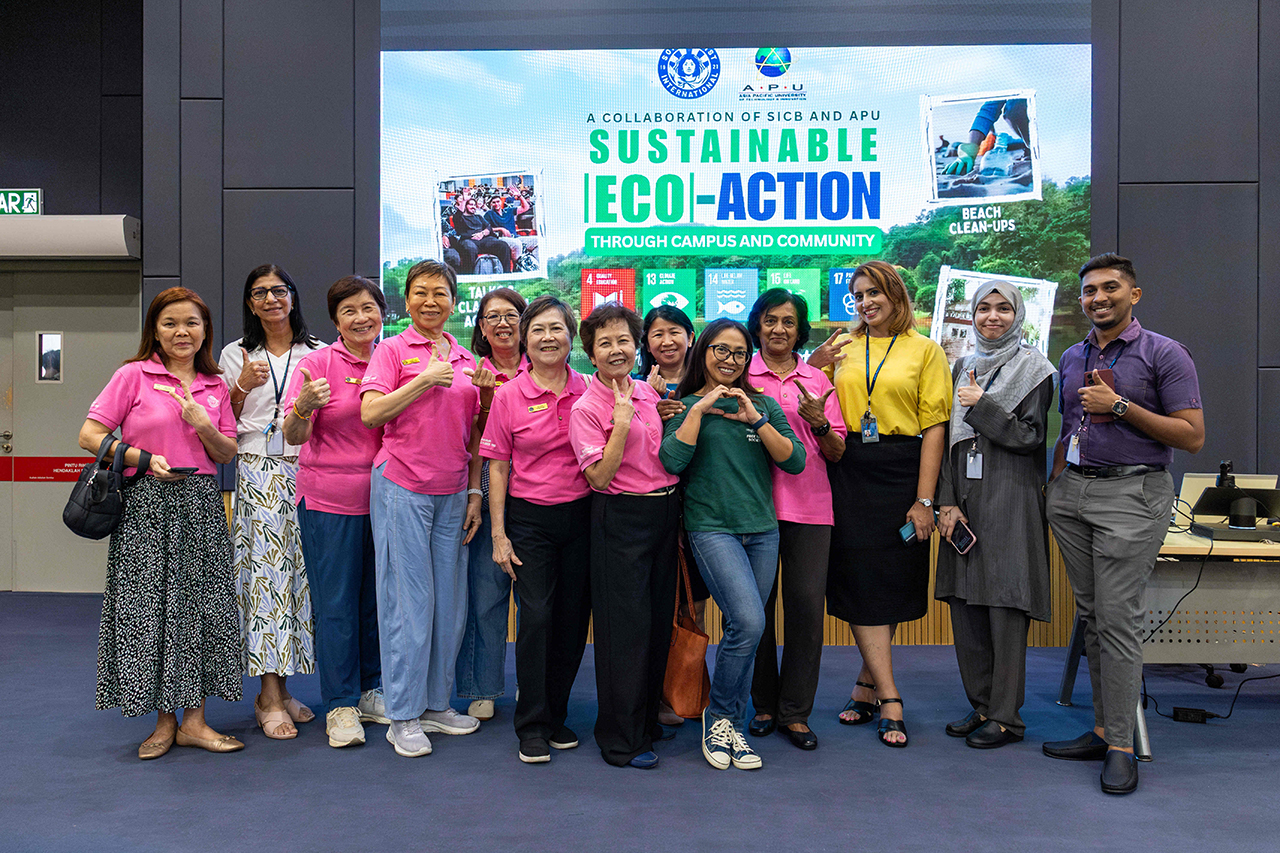
Marking the beginning of the initiative’s activities, the talk laid a strong foundation for fostering greater understanding of sustainability issues among participants.
It served as a meaningful starting point in translating environmental awareness into practical understanding and everyday responsibility, encouraging participants to reflect more critically on their role in shaping environmental outcomes.
Additionally, it also inspired participants to become more mindful of their environmental footprint, while motivating them to adopt small but consistent sustainable practices that contribute towards building cleaner communities and a greener, more sustainable future.
News & Happening
Download e-Brochures
Intake Calendar
Want to know more ?
Let’s Connect