Image
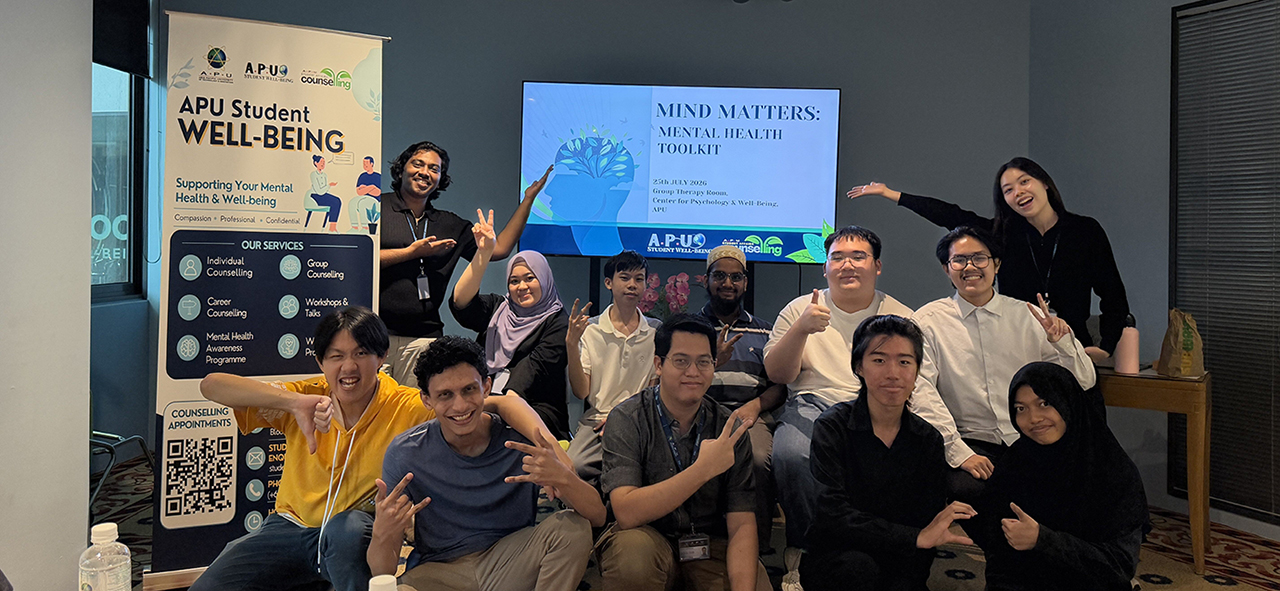
Recently, the Student Well-Being Unit at Asia Pacific University of Technology & Innovation (APU) organised a workshop titled “Mind Matters: Mental Health Toolkit and Peer Support.”
Facilitated by Ms Ameirunaisyah Ismail, Manager and Counsellor of the Student Well-Being Unit at APU, and Ms Vicki Lai Yee Tong, Counsellor of the Student Well-Being Unit at APU, with support from Shahsvendrasiva Varqa Ragu and Shaqy Ezzra Minerva Koesnaviansyah, Interns of the Student Well-Being Unit at APU, as co-facilitators.
Through psychoeducation, practical exercises, group discussions and roleplay activities, students explored how they could recognise when someone may be experiencing difficulties, respond with empathy, and encourage appropriate help-seeking, while understanding the importance of professional support and personal boundaries.
Developing Mental Health Literacy
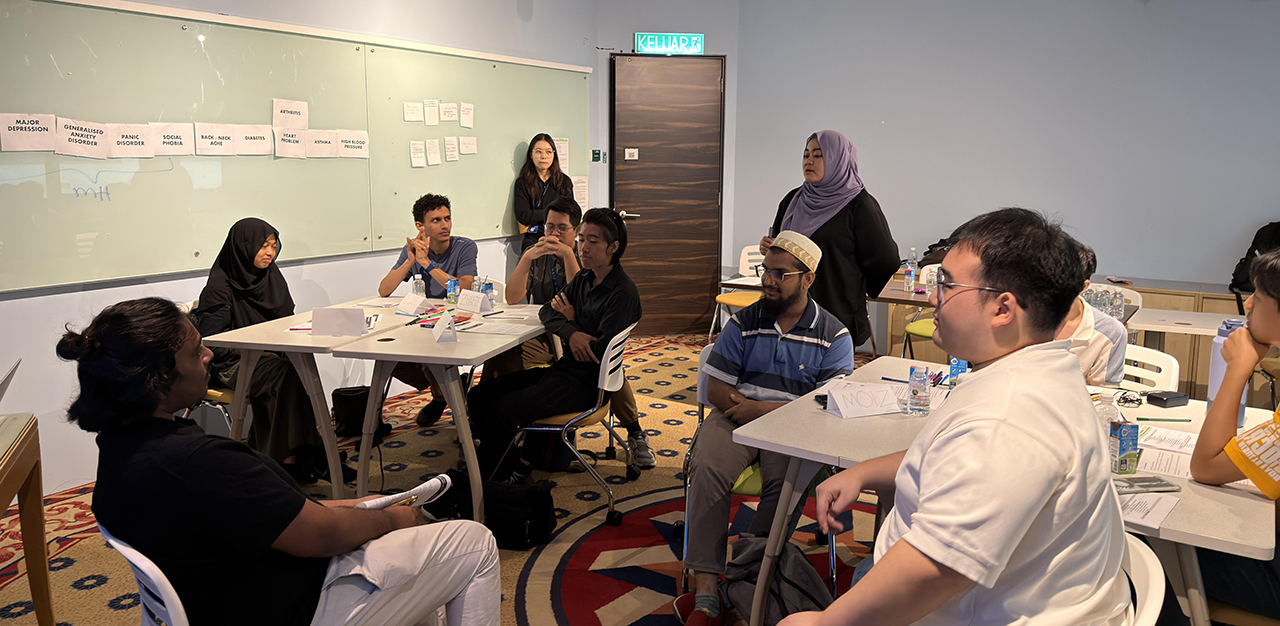
The workshop began with an introduction to the fundamentals of mental health and well-being, including the idea that mental health exists on a spectrum and can be influenced by different personal, social, and environmental factors.
Students explored common concerns experienced by university students, including stress, anxiety, depression, panic attacks, loneliness, and emotional overwhelm.
The discussions encouraged students to recognise that mental health difficulties can affect anyone and that early recognition, appropriate support, and timely help-seeking can make an important difference.
Students were then introduced to the mental health toolkit, where they learned how to recognise possible signs of distress and respond in a supportive and responsible manner; emphasising the importance of listening, providing initial support, and connecting individuals with appropriate professional resources when needed.
Learning to Support Others
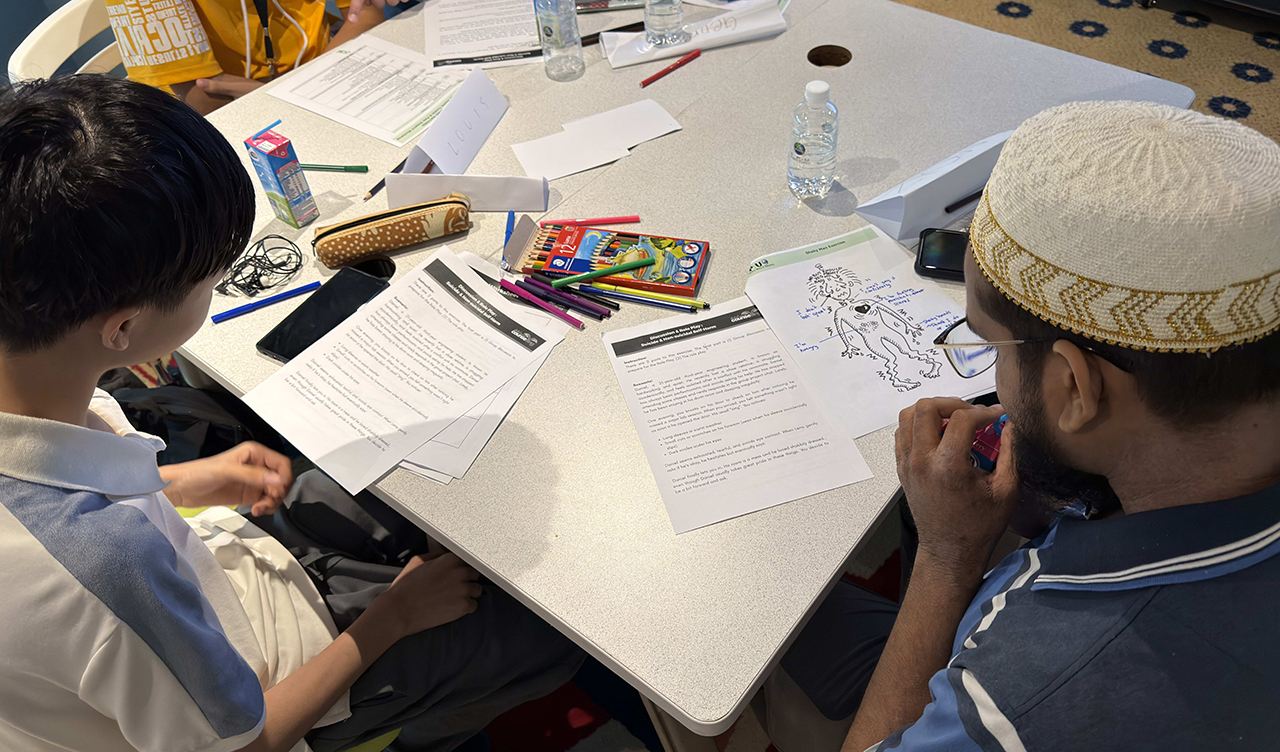
The following session focused on foundational peer support and helping communication skills through the theme “Being There for a Friend.”
Through guided discussions, students explored the differences between being a friend, a peer supporter, and a mental health professional, while developing a clearer understanding of the role and boundaries of peer support.
Emphasis was placed on active listening, empathy, validation, and paraphrasing, as well as recognising the importance of maintaining personal boundaries when supporting others.
Students also reflected on common responses that may unintentionally dismiss or minimise another person’s experiences.
Through practical examples, they explored how more thoughtful communication can help someone feel heard and understood.
Putting Peer Support Skills into Practice
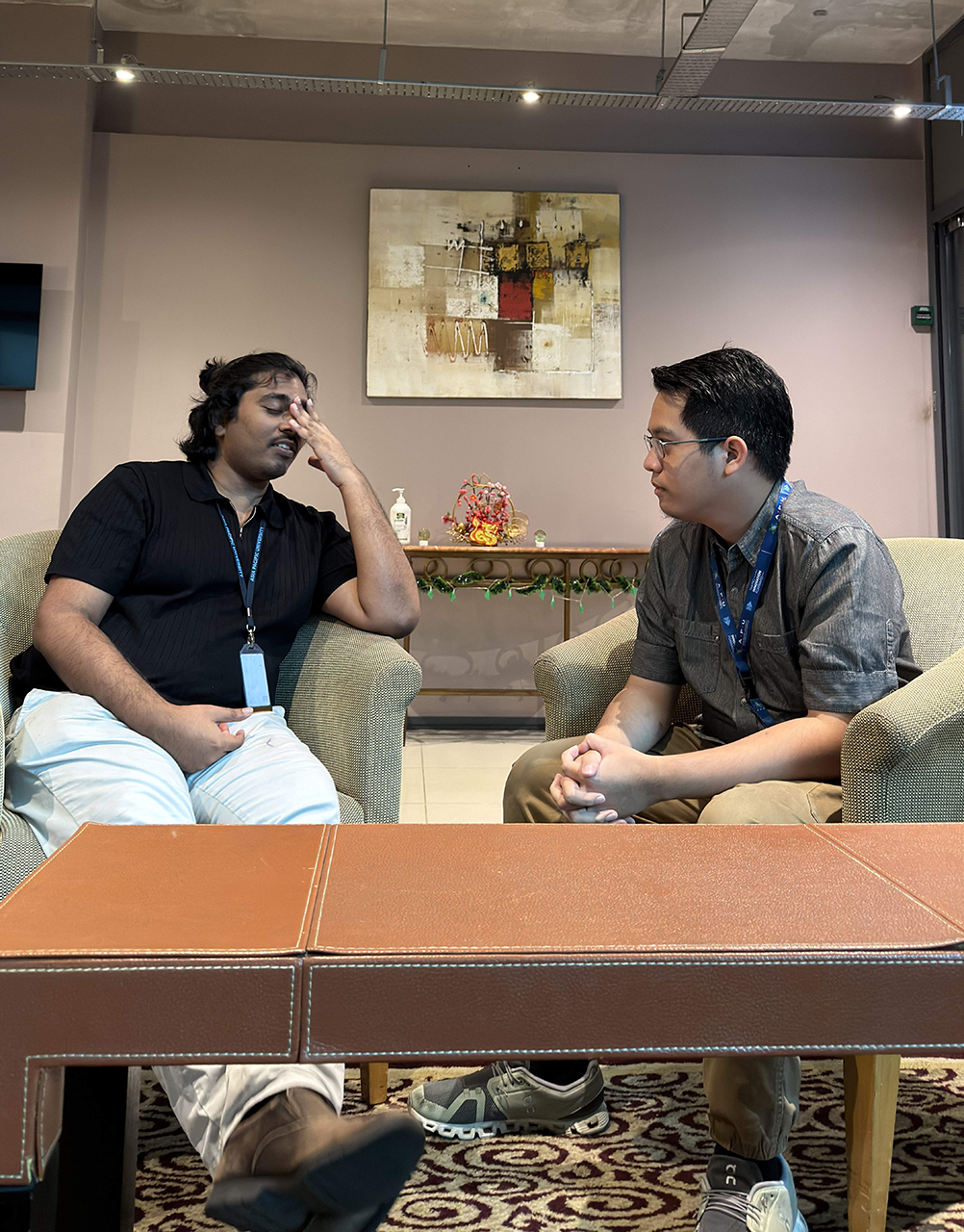
One of the key activities of the workshop was a peer support roleplay, where students worked in groups of three and rotated between the roles of a distressed individual, peer supporter, and observer.
The scenarios reflected situations students may encounter in their daily lives, including academic stress, examination pressure, friendship conflict, anxiety, and emotional overwhelm, as well as homesickness and loneliness.
By experiencing all three roles, students had the opportunity to practise providing support, understand what it feels like to be listened to, and observe the effectiveness of different helping responses.
Choosing Words that Offer Support
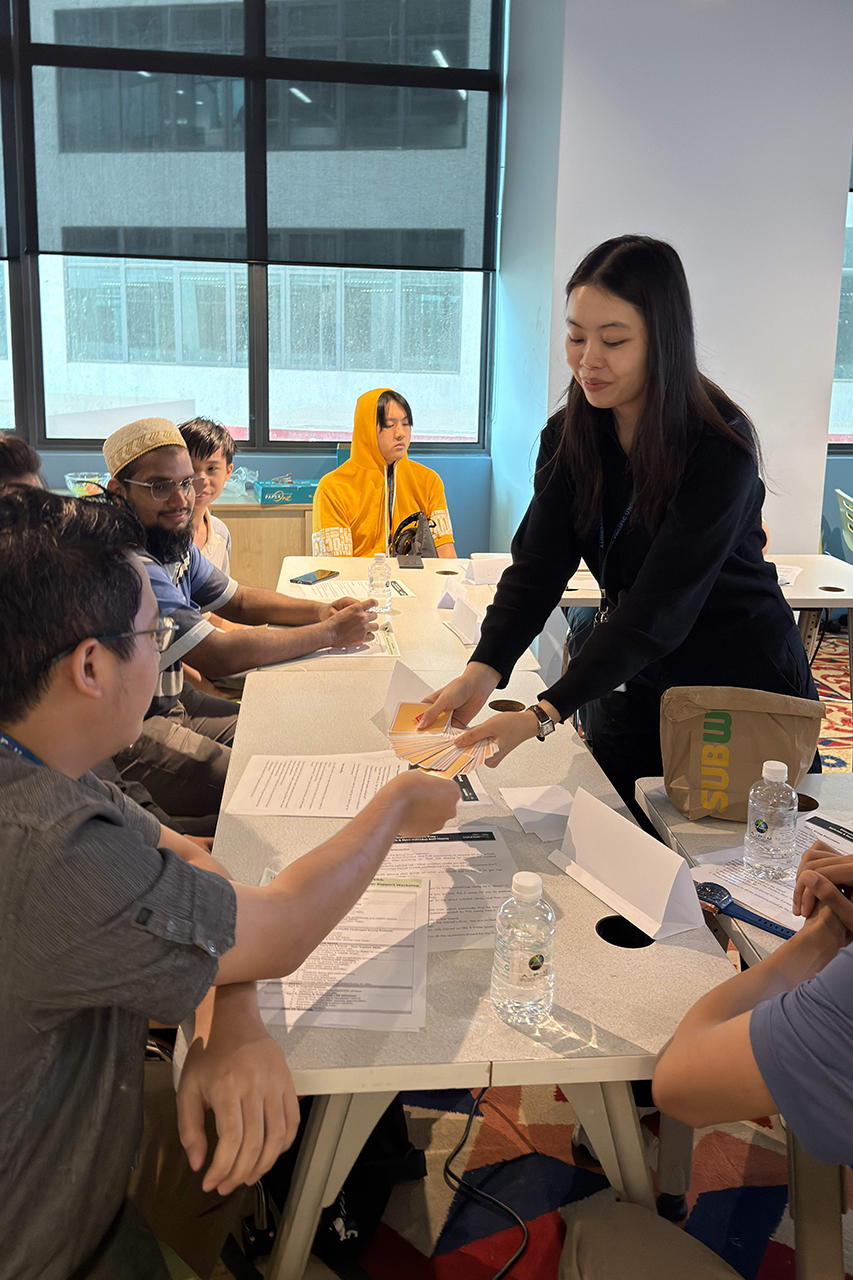
Another interactive component of the workshop was the “Support Phrase Bank” activity, where students collectively developed phrases that could be used when responding to someone experiencing emotional difficulties.
The activity encouraged students to reflect on the language they use when supporting others, and reinforced that supportive communication does not always require having the perfect words or providing immediate solutions.
Instead, students explored how simple responses can communicate empathy, validation, and a willingness to listen, while remaining mindful of personal boundaries and the need to encourage professional support when appropriate.
Knowing the Limits of Peer Support
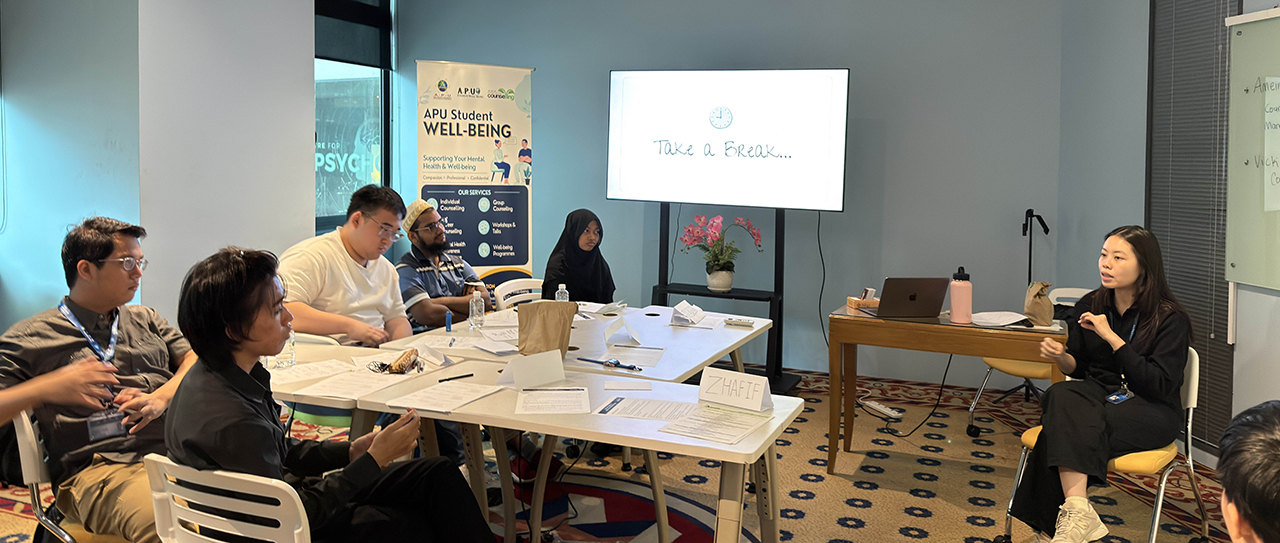
The workshop concluded by revisiting the boundaries of peer support and helping students recognise situations where professional intervention may be required.
Students were encouraged to approach such situations with care, respect personal boundaries, and help connect their peers with the appropriate professional support.
Students were also introduced to the support services available on campus and encouraged to seek assistance early for themselves or their peers when additional help is needed.
This reinforced the importance of seeking help early rather than attempting to manage complex mental health concerns alone.
Student Perspectives
A few perspective from students:
- Moiz Jaafar Bhay: “The workshop strengthened my understanding of peer support and helped me feel more confident in responding to someone who may be going through a difficult time.”
- Zhafif Hylmi Prayata: “The sessions throughout the workshop deepened my understanding of how meaningful support can begin with simply being present and creating a space where others feel heard and understood, while the practical activities helped me better appreciate the role of empathy and thoughtful communication when supporting my friends.”
Promoting a Culture of Support
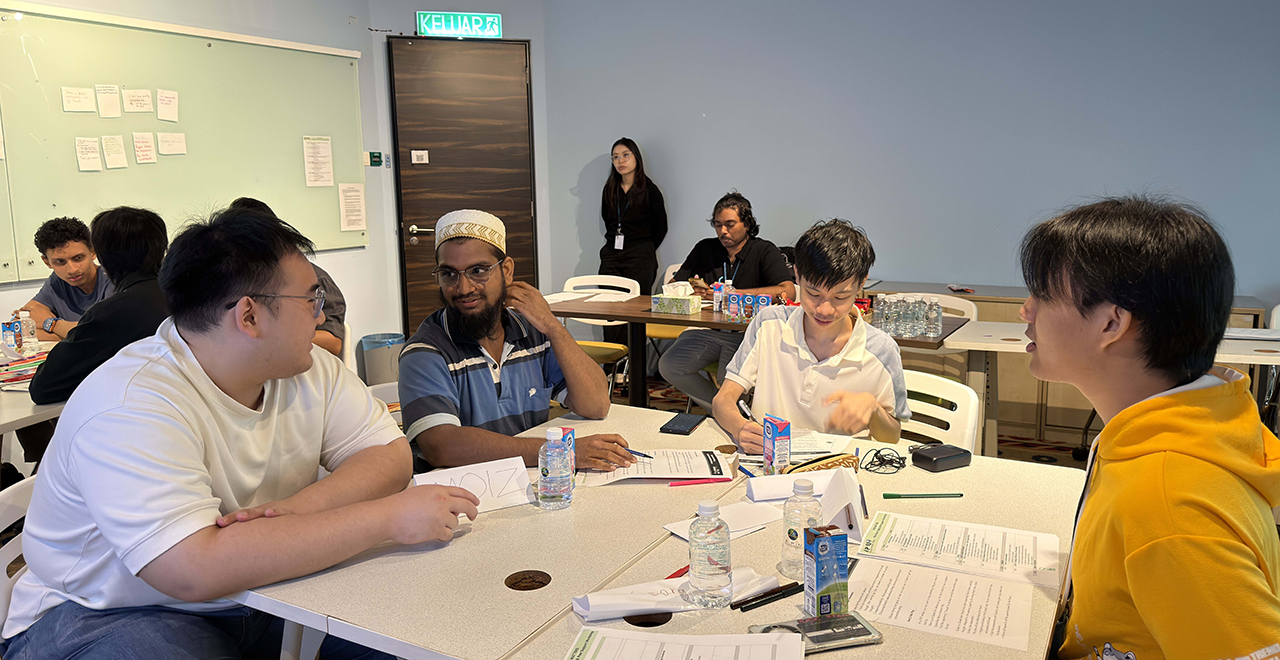
Overall, the workshop provided students with an opportunity to develop greater awareness of mental health, while building practical communication and peer support skills.
It reinforced that creating a supportive campus environment is a shared responsibility.
While professional mental health services remain essential for students requiring specialised support, peers can also play an important role in noticing changes, listening without judgement, offering appropriate support, and encouraging early help-seeking.
Through initiatives such as this, the Student Well-Being Unit continues to promote a campus culture where conversations about mental health can take place with greater openness, compassion, and understanding.
News & Happening
Download e-Brochures
Intake Calendar
Want to know more ?
Let’s Connect