Image
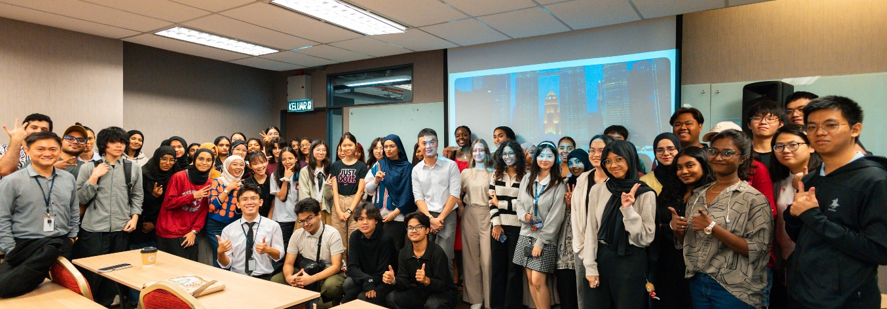
Recently, the School Of Psychology (SoP) at Asia Pacific University of Technology & Innovation (APU) organised a meaningful guest lecture titled “Barriers and Bridges: Mental Health support for Marginalised Groups.”
The session focused on the realities faced by marginalised groups, referring to communities that are often excluded from mainstream social, economic, or healthcare systems due to factors such as disability, identity, socioeconomic background, or stigma, and who therefore face greater challenges in accessing appropriate mental health support.
Organised by Mr Tan Wei Yu (Lecturer, SoP at APU), the session was delivered by Dr Liow Jun Wei, registered and licensed Counsellor with the Board of Counsellors Malaysia, aimed to raise awareness of the disparities faced by marginalised groups, while equipping students with greater sensitivity and understanding to support diverse communities more effectively, aligning with Sustainable Development Goal 3 and 10 (SDG 3 and SDG 10).
Learning through experience
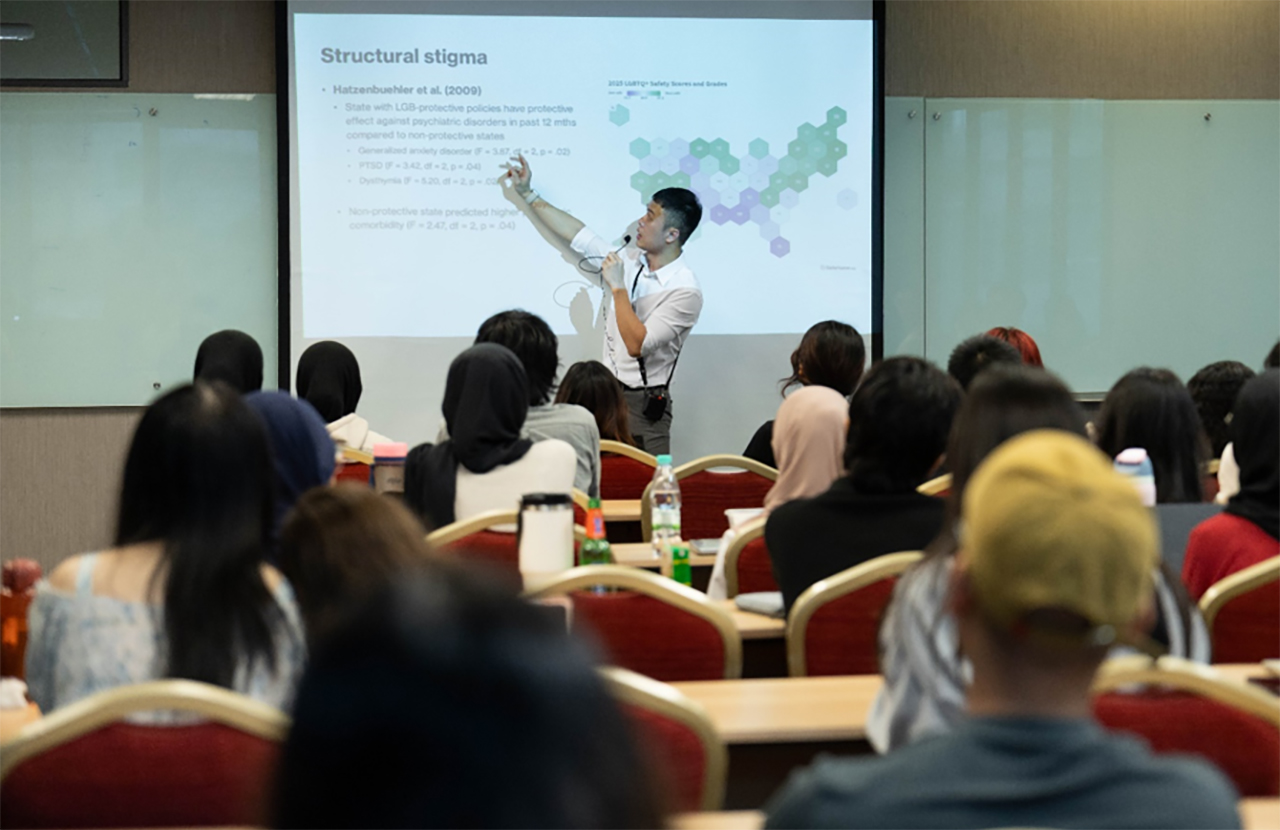
Throughout the session, Dr Liow guided students through the real-world barriers that can limit access to mental health care for marginalised communities.
He outlined key structural and social challenges, including communication difficulties, social stigma, cultural misunderstandings, and systemic exclusion, helping students recognise how these issues affect help-seeking behaviour and quality of care.
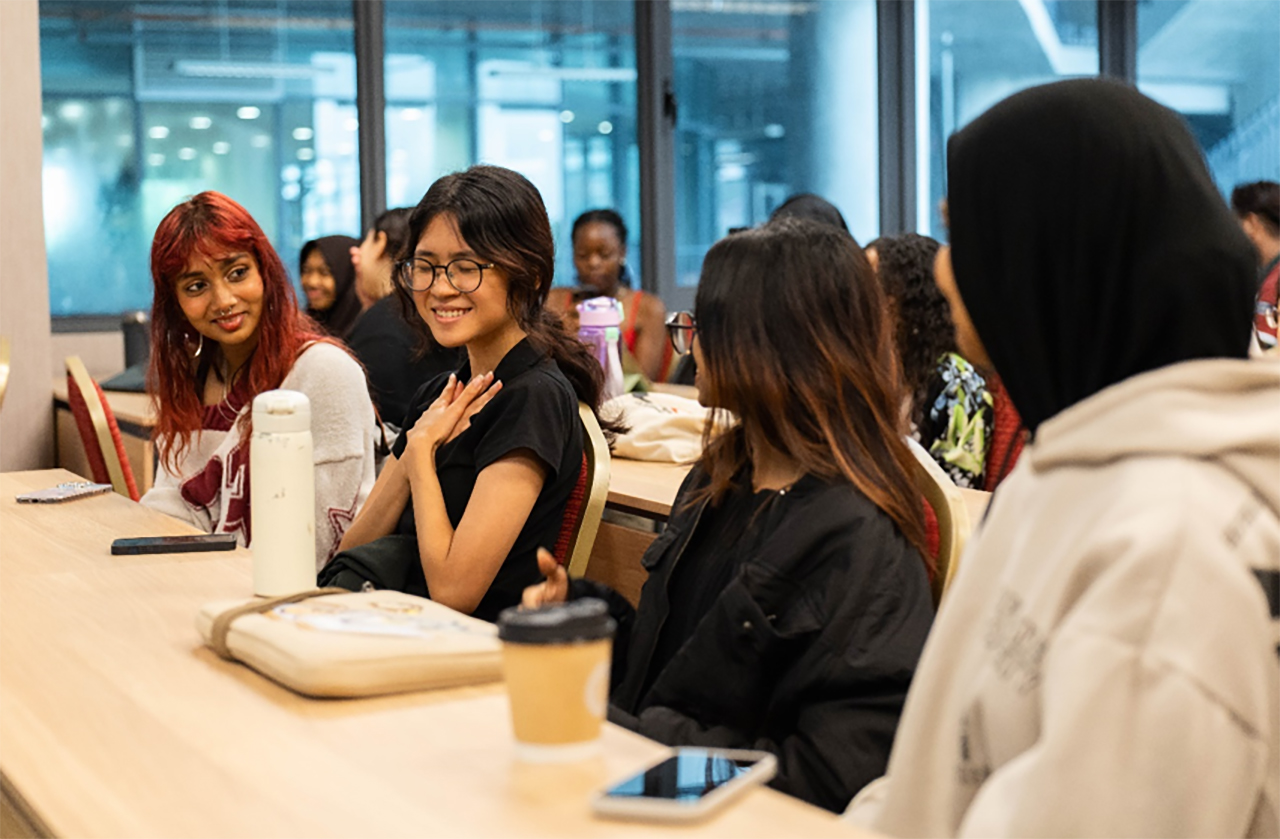
Moving beyond theory, the session then incorporated interactive experiential activities, to which students were asked to communicate and collaborate using limited cues, simulating situations where clear expression or understanding was restricted.
This allowed them to momentarily experience the confusion, frustration, and emotional strain that some marginalised individuals encounter in daily life and clinical settings.
Through these guided exercises and reflections, students developed a deeper appreciation of the importance of clear communication, patience, and perspective-taking in psychological practice.
The activities also encouraged them to examine their own assumptions, adapt their communication styles, and recognise their professional responsibility to create safe and inclusive spaces for clients from diverse backgrounds.
Student Perspective
A student’s perspective:
- Sean Cedric Chua, Bachelor of Science (Honours) in Psychology: “The engaging and informative guest lecture deepened my understanding of minority groups, while offering valuable insights into the social and systemic challenges faced by marginalised communities, making the learning experience both meaningful and thought-provoking.”
From awareness to Inclusive practice
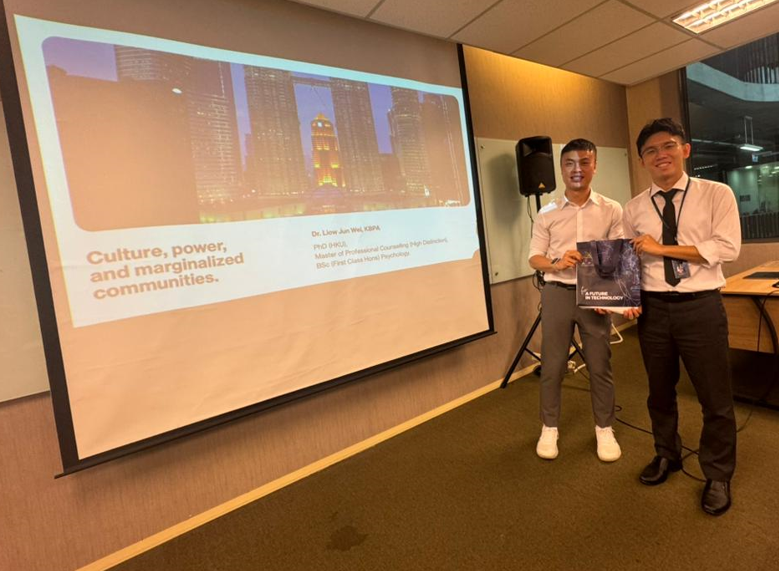
Overall, the guest lecture served as a meaningful platform for students to connect classroom learning with the lived realities of individuals who may experience barriers to mental health care.
The discussion and activities encouraged thoughtful reflection on the role future practitioners play in reducing inequalities, strengthening ethical practice, and approaching mental health support with greater cultural and social awareness.
Beyond knowledge gained, the guest lecture inspired many students to think more critically about inclusivity in professional settings and the importance of advocating for accessible and respectful care for all individuals.
Such initiatives reflect the broader educational approach at APU, where students are exposed to current social issues and guided to apply their knowledge in responsible and socially responsive ways.
News & Happening
Download e-Brochures
Intake Calendar
Want to know more ?
Let’s Connect