Asia Pacific University of Technology & Innovation’s (APU) School of Psychology (SoP) hosted a Neuro-Dramatic-Play (NDP) workshop led by Professor Sue Jennings, where students and professionals explored attachment and relationships through hands-on, play-based activities, deepening understanding of non-verbal communication and strengthening practical counselling skills.
Image
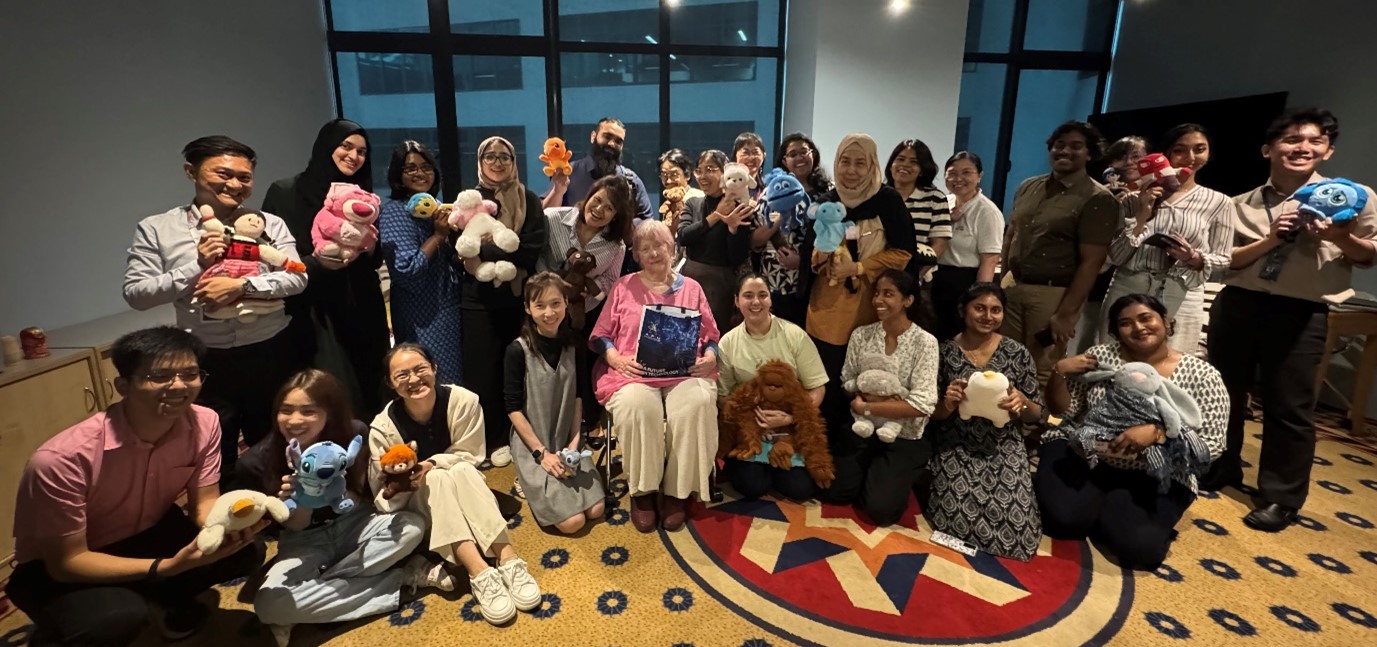
Moving beyond conventional classroom teaching, Asia Pacific University of Technology & Innovation’s (APU) School of Psychology (SoP) recently hosted a highly engaging and transformative workshop on Attachment and Relationships, delivered through the innovative approach of Neuro-Dramatic-Play (NDP).
The session was led by Professor Sue Jennings, founder of NDP and a globally recognised pioneer in play and dramatherapy.
The initiative was spearheaded by Mr Jaff Choong Gian Yong, SoP Lecturer, and brought together psychology students alongside practising professionals, creating a vibrant and dynamic environment for experiential learning.
The workshop immersed participants in hands-on, embodied activities that deepened their understanding of relational dynamics in a meaningful and memorable way.
Rather than relying solely on theory, participants actively explored complex relationship themes through creative and symbolic interventions.
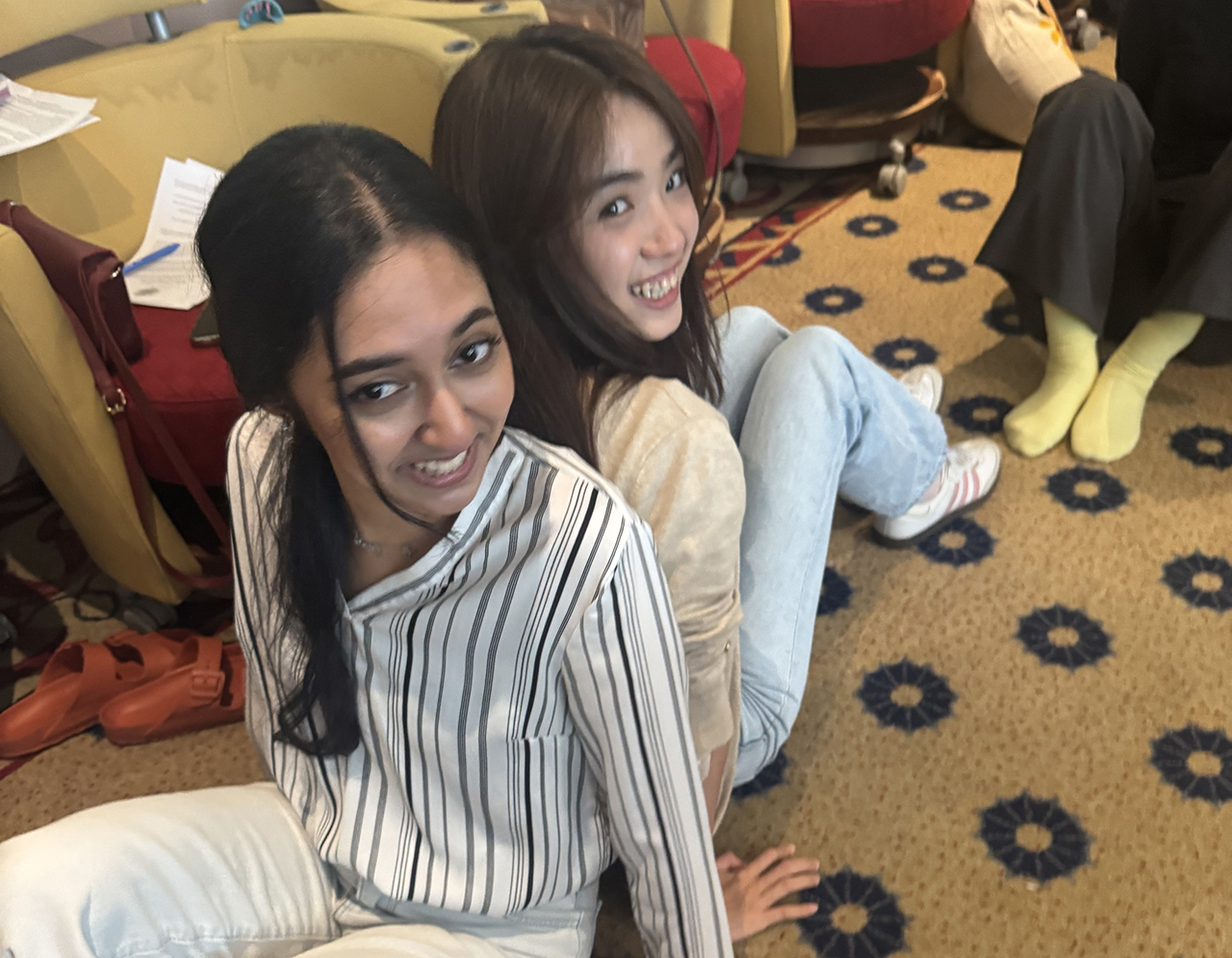
Activities such as constructing a ‘house’ encouraged reflection on intimacy, personal boundaries, sexuality, and the nuances of private life within relationships.
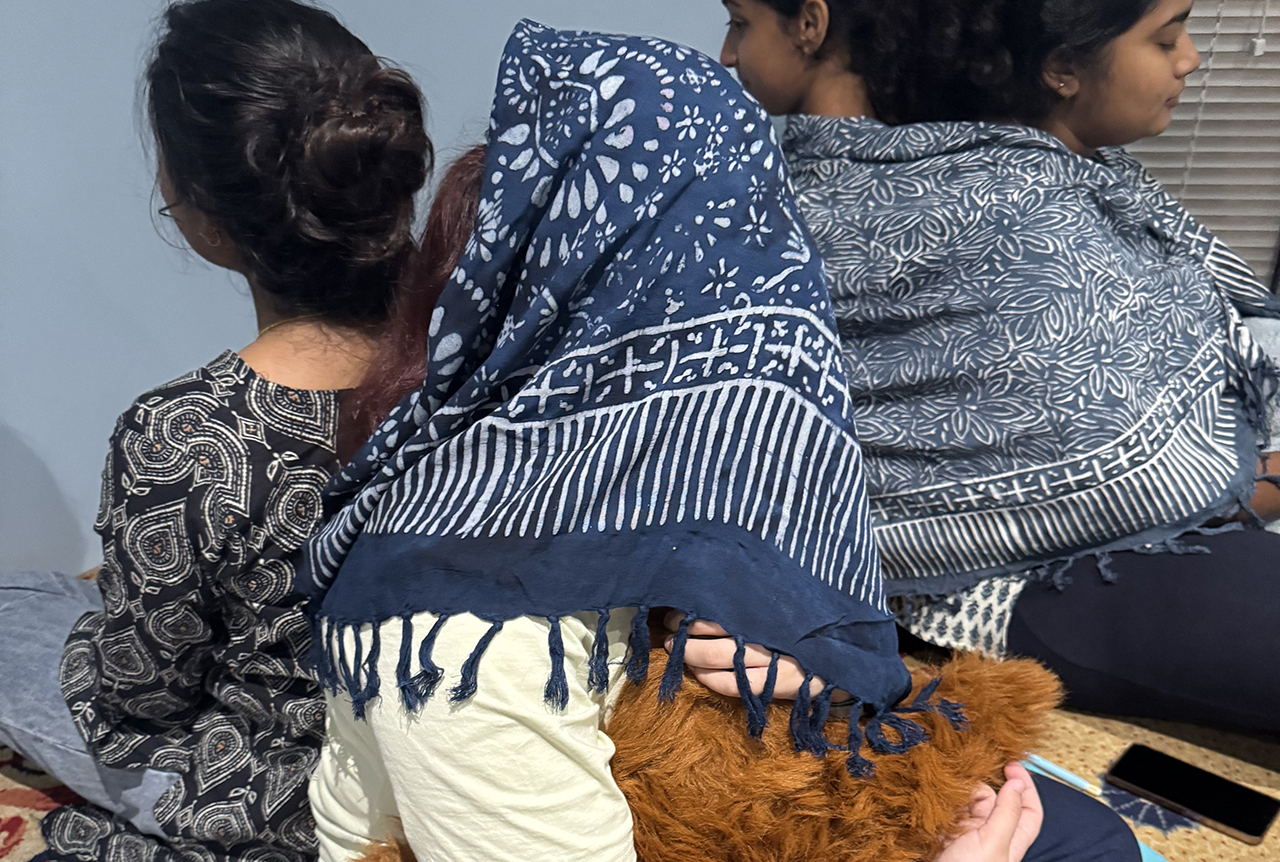
The use of Russian dolls offered a compelling metaphor for emotional closeness and distance, while structured drama-based exercises enabled participants to experience and reflect on power dynamics and conflict patterns within couples first-hand.
A key insight that emerged from the workshop was the embodied nature of communication.
As Professor Jennings highlighted, “Resistance in relationships is not expressed through words alone, but through the entire body.”
This perspective resonated strongly with participants and reinforced the importance of non-verbal awareness in counselling practice.
The workshop delivered meaningful impact across multiple dimensions, including enhanced student learning, greater industry exposure, practice-oriented training, and positive engagement and wellbeing.
It exemplified APU’s ongoing commitment to delivering experiential, industry-relevant education that equips students not only with theoretical knowledge, but also with practical competencies and professional readiness.
The session also reinforced the University’s position as a forward-thinking institution that integrates creative, evidence-based approaches into psychology and counselling education.
By combining global expertise with innovative pedagogy, the workshop demonstrated how experiential learning can create lasting educational value.
Reflecting on the experience, Mr Tan Wei Yu, SoP Lecturer, shared that the workshop provided a unique opportunity to observe how physical play could foster healing and connection.
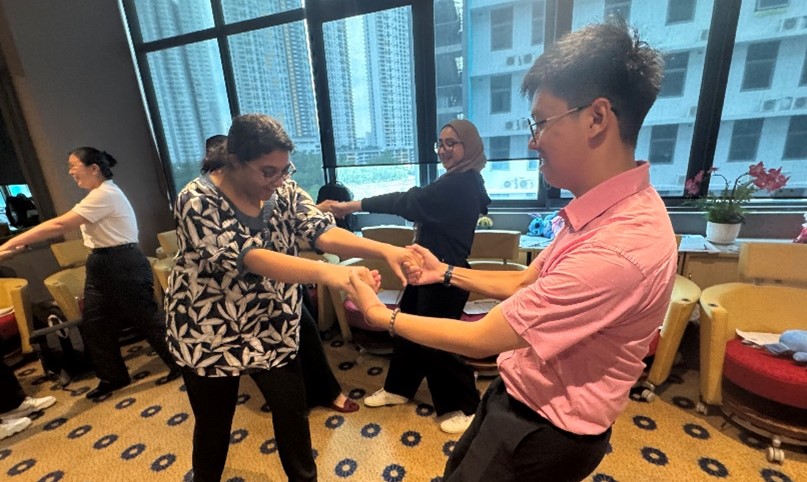
“It was fascinating to witness how body engagement helped resolve power struggles, with even high-energy physical interactions between strangers quickly transforming tense situations into moments of warmth and connection.”
For students, the workshop offered more than just academic insight. Abstract psychological concepts were brought to life through lived experiences, strengthening both critical thinking and applied counselling skills.
Akshara Mutateesa, a Year 3 Semester 2 Psychology student, described the workshop as a profoundly meaningful experience.
She reflected that through deep reflection, play-based learning, and rich insights, she found herself engaging both emotionally and intellectually, allowing her to better understand herself on a deeper level.
The NDP workshop stood as a compelling example of how innovative teaching methods, global collaboration, and experiential learning could come together to bridge theory and practice, creating a truly impactful educational experience.
News & Happening
Download e-Brochures
Intake Calendar
Want to know more ?
Let’s Connect