Where Creative Vision Meets Future-Ready Architecture at APU
Image
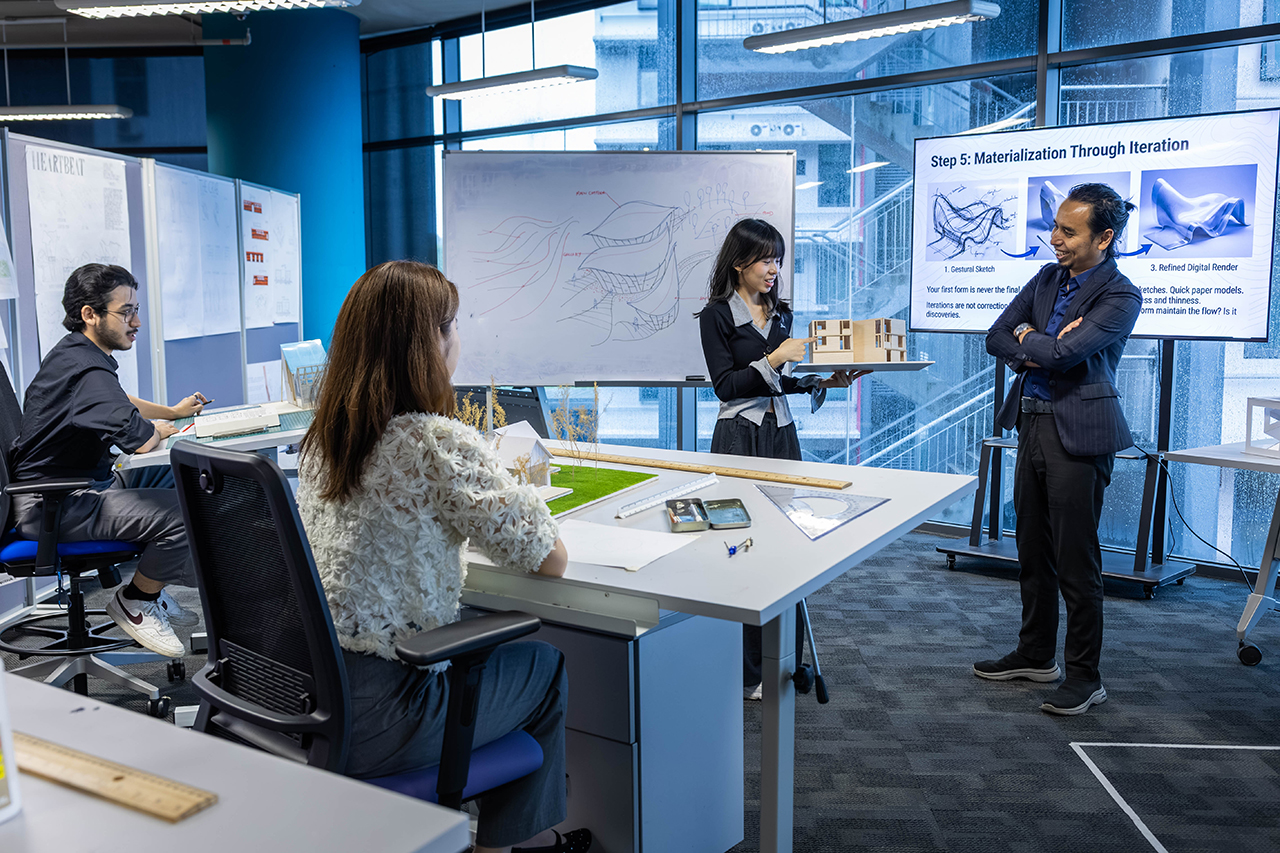
What does it take to design the cities of tomorrow? For today’s aspiring architects, it takes more than artistic flair—it requires a balance of creativity, technical expertise, and forward-thinking innovation.
At Asia Pacific University of Technology & Innovation (APU), architecture education is reimagined to meet the demands of a rapidly evolving built environment. Students are not just taught to design buildings—they are empowered to shape sustainable, intelligent, and human-centred spaces that respond to modern urban challenges.
APU’s Bachelor of Science (Honours) in Architecture reflects this vision, offering a future-focused pathway that blends design excellence with digital innovation and real-world relevance.
Building strong foundations for future architects
As cities grow denser and sustainability becomes a global priority, architects must move beyond conventional approaches. APU’s Architecture programme, anchored in its status as a Malaysian Premier Digital Tech Institution (PDTI), equips students with both creative confidence and technological fluency.
This three-year, full-time degree provides a solid grounding in architectural design, history, construction technology, sustainability, and professional practice. More importantly, it cultivates critical thinking and responsible design—qualities increasingly sought after in the industry.
“Students develop both creative and technical competencies, including proficiency in advanced tools such as Building Information Modelling (BIM), digital design platforms, and emerging technologies like artificial intelligence and virtual reality in architecture,” said Professor Ar Jasmeet Pal Singh Sidhu, Head of the School of Architecture & Built Environment (SABE).
He added, “APU’s Architecture programme emphasises innovation, sustainability, real-world problem-solving, professionalism, and business readiness. Our graduates are prepared to design smarter, more sustainable environments that respond to contemporary societal needs.”
A recognised pathway towards professional practice

Accreditation and career progression are key considerations when choosing a degree. APU’s Architecture programme is approved by the Board of Architects Malaysia (LAM) and provisionally accredited by the Malaysian Qualifications Agency (MQA).
This recognition places graduates on a clear pathway towards becoming registered architects in Malaysia, with the programme structured to provide exemption from the LAM Part I examination, which offers a valuable head start.
Prof Ar Jasmeet, an accomplished architect with over 38 years of experience and former Chairman of the Architectural Examinations Council (LAM), brings strong industry insight to the programme.
Studio learning at the heart of design thinking
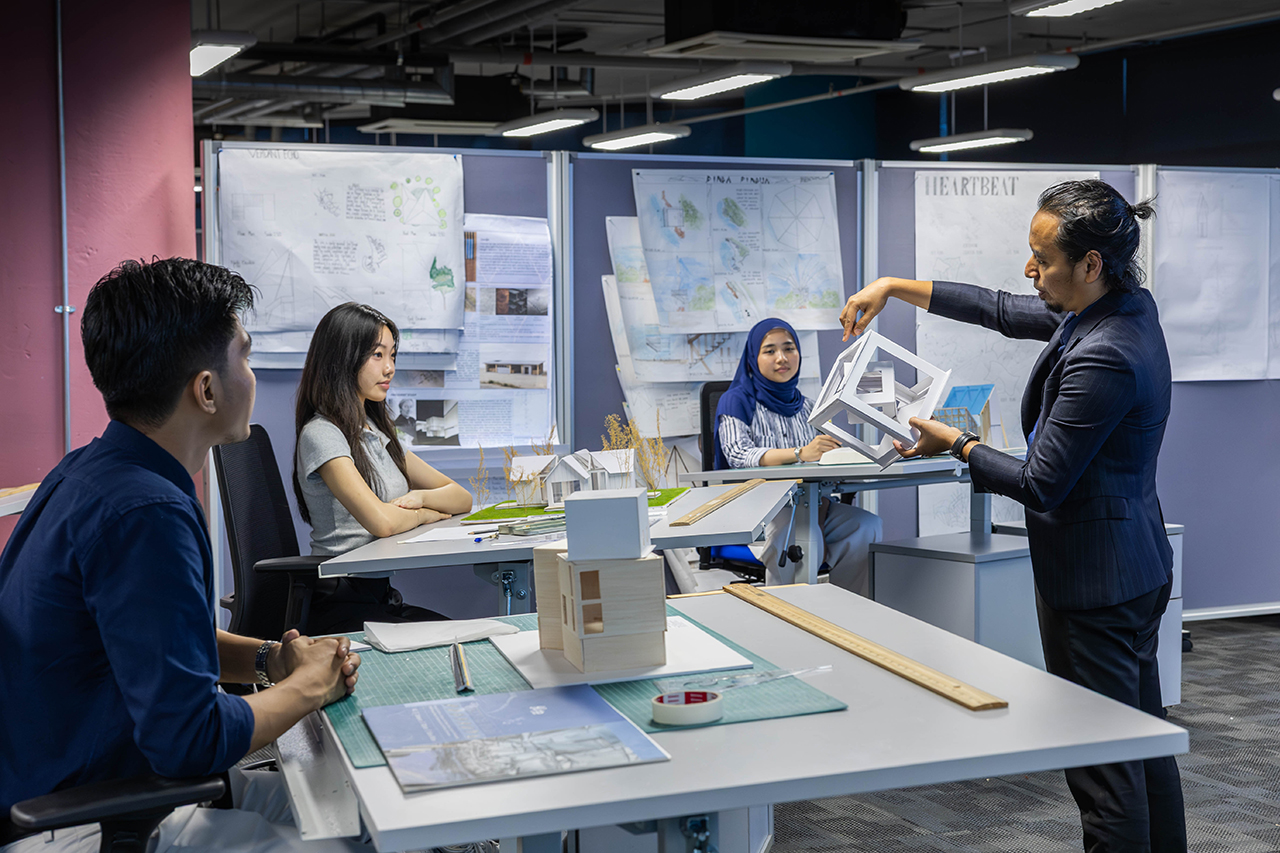
At APU, architecture is learned through immersive, hands-on experiences. The curriculum integrates studio work, theory, and technology-driven learning to develop both conceptual creativity and practical application.
Design studios form the core of the programme, where students explore spatial concepts, refine ideas, and translate them into viable architectural solutions. This mirrors real-world practice, encouraging collaboration, critique, and continuous improvement.
Students also study architectural history and theory to understand how design evolves across cultures and responds to social and environmental contexts.
In parallel, construction technology and building sciences provide insight into materials, structural systems, and construction processes, ensuring that designs are not only visually compelling but also functional and sustainable.
Bridging creativity with cutting-edge technology
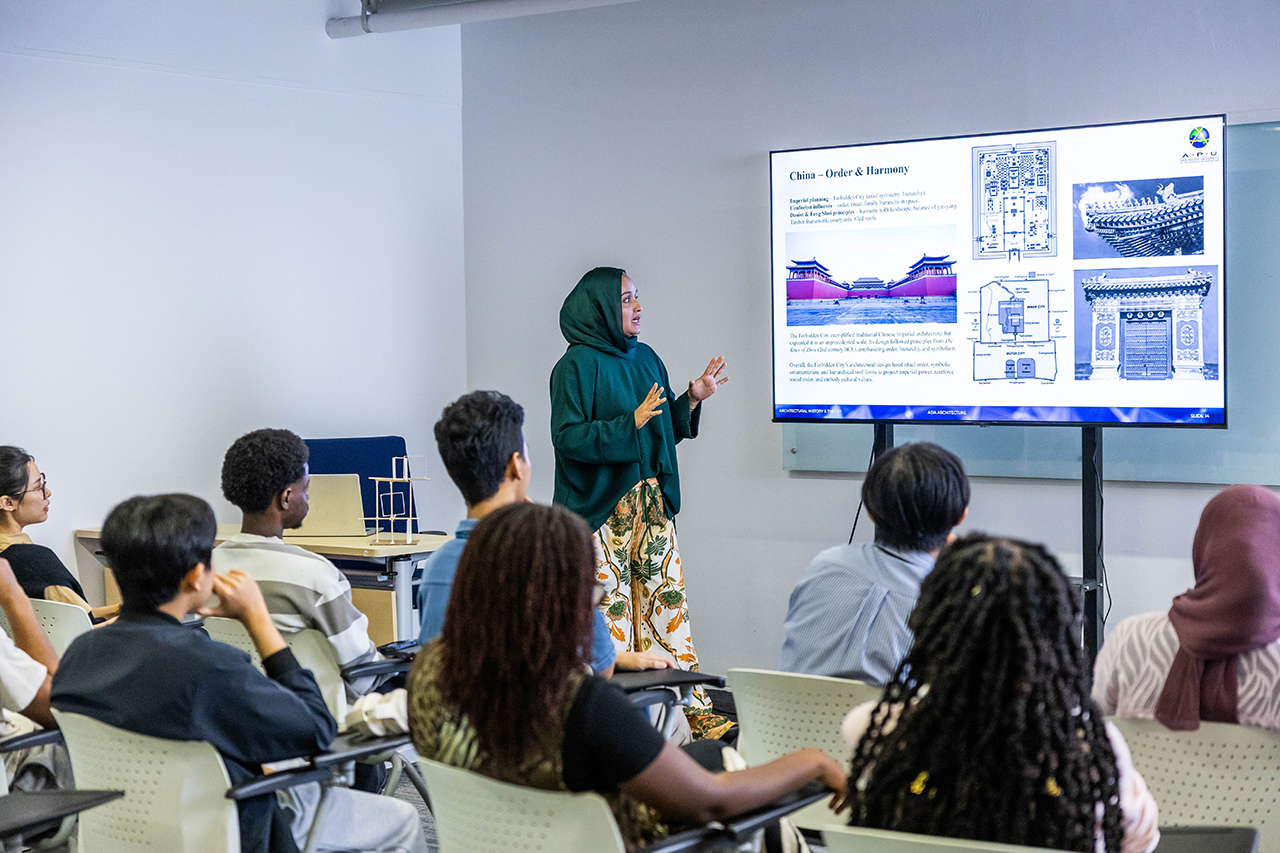
Architecture today is increasingly shaped by digital innovation, and APU integrates advanced tools into its curriculum to prepare students for modern design workflows.
As Professor Dr Ho Chin Kuan, Vice Chancellor of APU, highlighted, “From 3D modelling and visualisation to Building Information Modelling (BIM), students gain hands-on experience with industry-standard technologies. Exposure to emerging tools such as AI and VR further enhances their ability to innovate and communicate complex ideas.”
Alongside digital capabilities, students engage in physical model-making and design experiments, balancing precision with tactile understanding. This integration equips graduates to thrive in environments where creativity, technology, and collaboration intersect seamlessly.
An environment designed to inspire
APU’s campus provides a vibrant ecosystem that supports both creative exploration and technical development.
Open, interactive design studios encourage idea generation and collaboration, while workshops enable hands-on experimentation with materials and construction techniques. Advanced digital labs support modelling, visualisation, and BIM-based workflows.
A strong collaborative culture further enhances learning, with students encouraged to exchange ideas, work in teams, and present confidently—skills essential in professional practice.
Expanding career opportunities in a global industry
Graduates of APU’s Architecture programme are well-positioned for diverse roles across the built environment sector, including architecture firms, urban planning consultancies, interior and spatial design studios, and sustainability-focused organisations.
Their digital expertise also opens pathways into areas such as architectural visualisation, digital design consultancy, and construction technology—fields where BIM and advanced design tools are increasingly essential.
As architecture becomes more globalised, APU graduates are equipped to explore opportunities both locally and internationally.
A Starting Point for Careers That Shape the Built World
For students passionate about shaping spaces, APU’s Architecture programme offers a compelling choice.
By combining industry recognition, hands-on learning, and future-focused skills, the programme prepares graduates not only to enter the workforce but to lead and innovate within it.
At APU, architecture is a foundation for building meaningful careers and shaping the spaces where communities live, work, and thrive. You can also read this story on StarPicks here.
News & Happening
Download e-Brochures
Intake Calendar
Want to know more ?
Let’s Connect