APU engineering undergraduates attended a NAFEMS Simulation-Driven Engineering talk delivered by Mr Yogeswaran of ORS Technologies Sdn. Bhd., where they were introduced to key simulation tools such as FEA and CFD, real-world industrial applications, and the NAFEMS certification pathway, gaining valuable insights into modern engineering practices, Industry 4.0, and future career opportunities.
Image
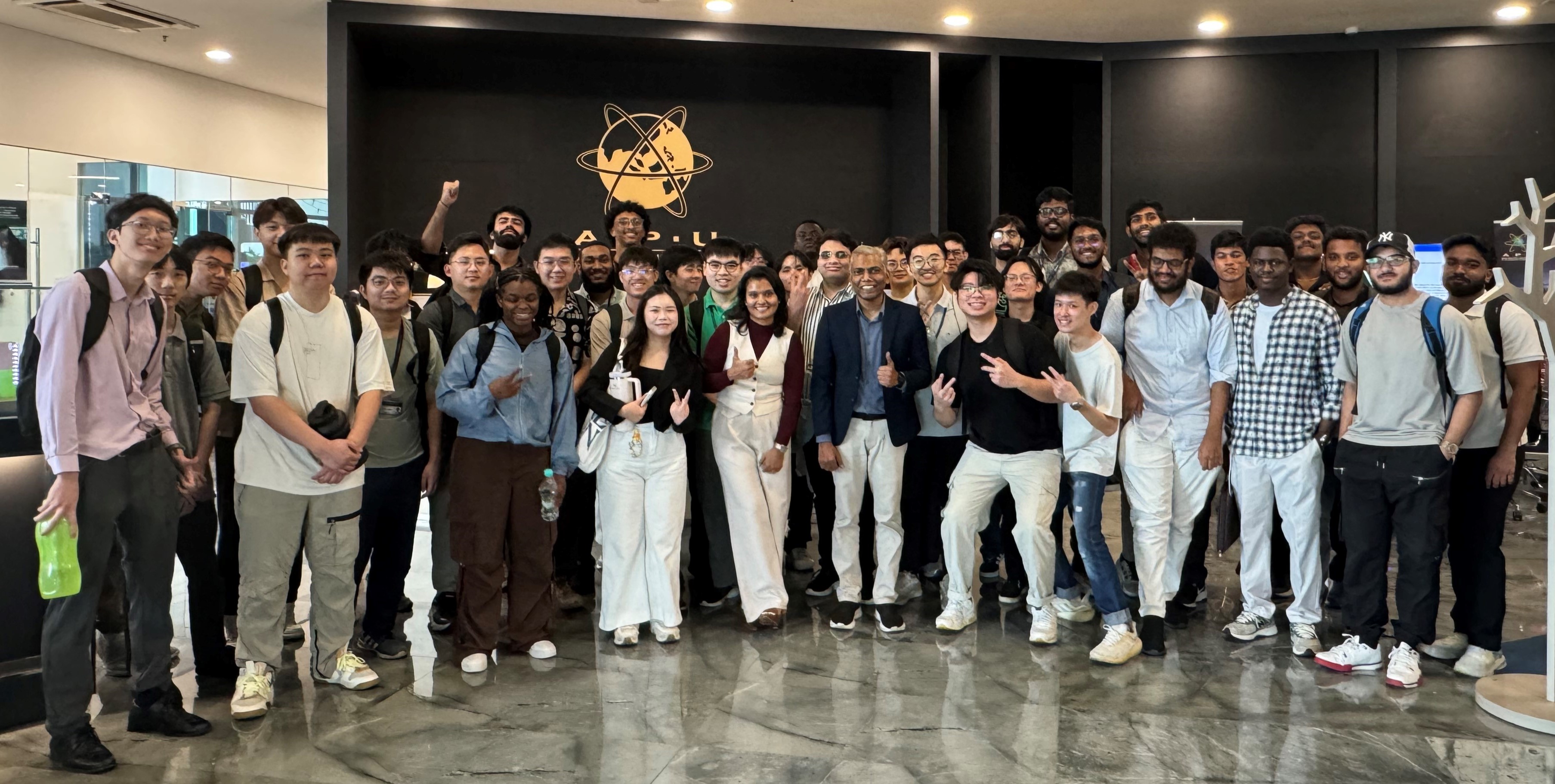
Final-year engineering undergraduates from the Asia Pacific University of Technology & Innovation (APU) gained valuable industry insights during a technical talk on NAFEMS Certification and Simulation-Driven Engineering, held at APU’s state-of-the-art campus.
Organised by Senior Lecturer, Ir Ts Subhashini Gopal Krishnan from APU’s School of Engineering (SoE), the session brought together students from Petroleum Engineering, Mechatronics Engineering, Telecommunication Engineering, Electrical and Electronic Engineering, and Computer Engineering programmes, showcasing a strong spirit of multidisciplinary collaboration.
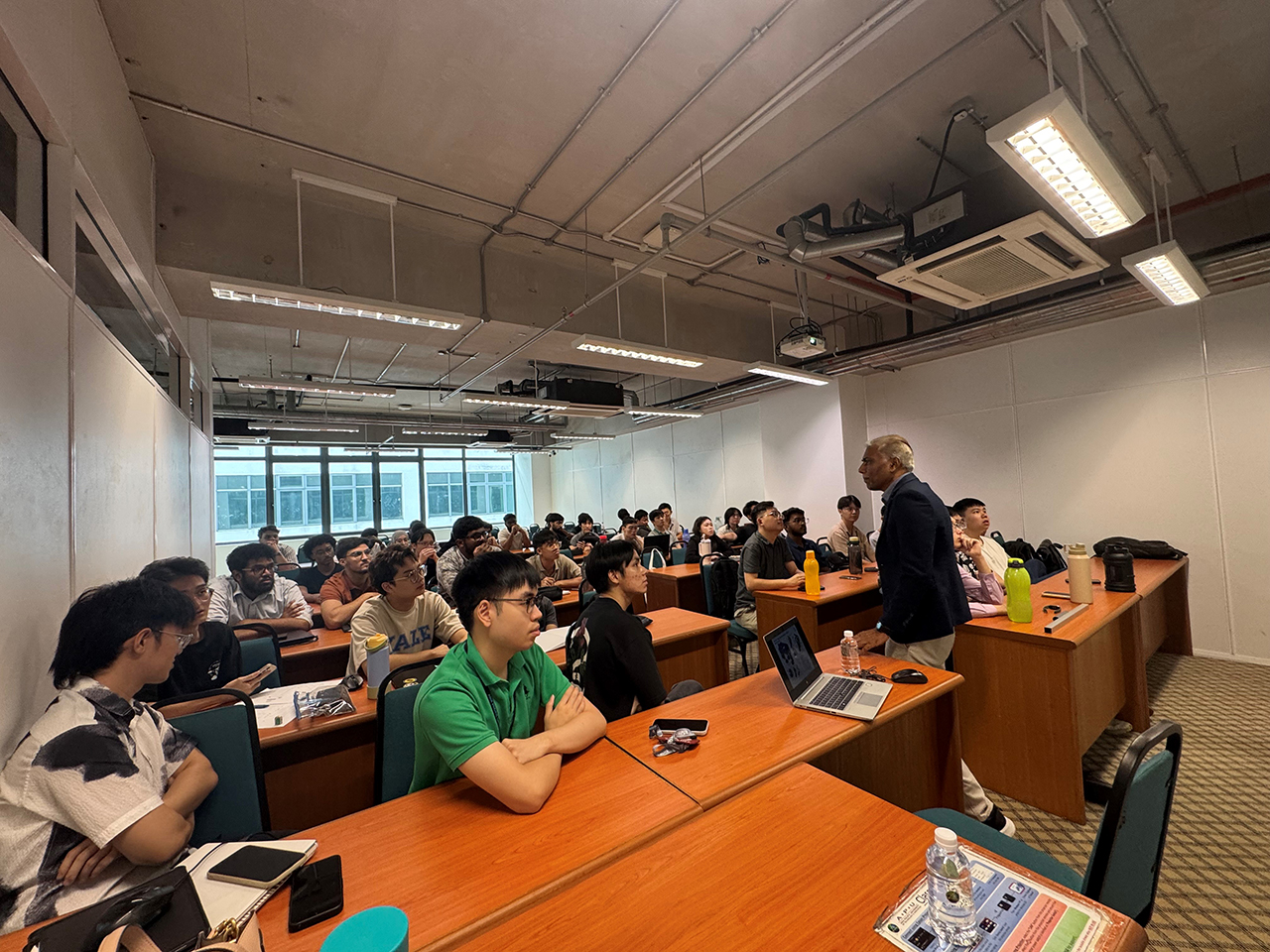
The talk was delivered by Mr Yogeswaran, Executive Director of ORS Technologies Sdn. Bhd., who shared his expertise on the growing role of simulation technologies in modern engineering.
The session provided students with valuable exposure to professional engineering practices while offering insights into current industry expectations and future career opportunities.
At the heart of the discussion was the increasing importance of simulation-driven design, a methodology that allows engineers to predict, analyse, and optimise performance before physical prototypes are produced.
Students were introduced to key simulation techniques, including Finite Element Analysis (FEA), Computational Fluid Dynamics (CFD), and multiphysics simulations, all of which play a critical role in solving complex engineering challenges.
Through a series of real-world case studies, participants explored how simulation technologies were being applied across industries to improve efficiency, reduce costs, and enhance product performance.
Examples included powertrain noise, vibration and harshness (NVH) analysis, large-scale modelling of complex assemblies, and optimisation techniques that enabled engineers to minimise material usage while maintaining structural integrity.
The session also highlighted how simulation-driven approaches had transformed product development processes.
Students examined examples where engineering components were redesigned to achieve lighter weight, stronger performance, and greater energy efficiency, demonstrating the value of integrating simulation tools at the earliest stages of design.
One of the most engaging segments focused on the concept of cross-disciplinary engineering, often referred to as “cross-pollination”, where simulation methodologies are applied beyond conventional engineering sectors.
A particularly compelling biomedical engineering case study showcased the development of patient-specific cranial implants using 3D modelling, forming simulations, and impact analysis.
The example illustrated how engineering expertise could contribute directly to healthcare innovation while bridging multiple engineering disciplines.
Further case studies covered applications in railway systems, aerospace engineering, heavy machinery simulation, and electronics thermal management, demonstrating the versatility of simulation technologies in addressing diverse real-world challenges.
Students also gained insights into the integration of simulation with advanced manufacturing, digital engineering, and Industry 4.0 technologies, offering a glimpse into the future of engineering practice.
The session introduced students to NAFEMS, the international association dedicated to advancing the effective and reliable use of engineering simulation technologies.
Participants learned about the NAFEMS Professional Simulation Engineer (PSE) certification pathway, which provides structured training in simulation-driven design and computer-aided engineering (CAE).
The certification pathway offers aspiring engineers’ opportunities to gain internationally recognised credentials, access industry-standard software tools, and engage with a global professional community.
Such exposure can significantly enhance graduates’ employability and professional development prospects in an increasingly technology-driven engineering landscape.
Throughout the session, students actively engaged in discussions and gained a deeper understanding of emerging simulation technologies, industry practices, and professional certification opportunities.
Faculty members also emphasised the importance of incorporating simulation into academic learning, research activities, and laboratory projects, ensuring students remained aligned with evolving industry demands.
In line with the United Nations Sustainable Development Goals (SDGs), the initiative supported SDG 4 (Quality Education) by strengthening students’ industry-relevant competencies, SDG 9 (Industry, Innovation and Infrastructure) by promoting innovation through advanced simulation technologies, and SDG 13 (Climate Action) through engineering practices that optimise resources, reduce waste, and improve energy efficiency.
The successful engagement reflected APU’s ongoing commitment to producing industry-ready, future-focused engineers equipped with the technical knowledge, practical skills, and innovative mindset needed to address complex challenges across a wide range of engineering sectors.
By bridging academic learning with industry expertise, the University continued to empower students to thrive in an increasingly digital and interconnected engineering environment.
News & Happening
Download e-Brochures
Intake Calendar
Want to know more ?
Let’s Connect